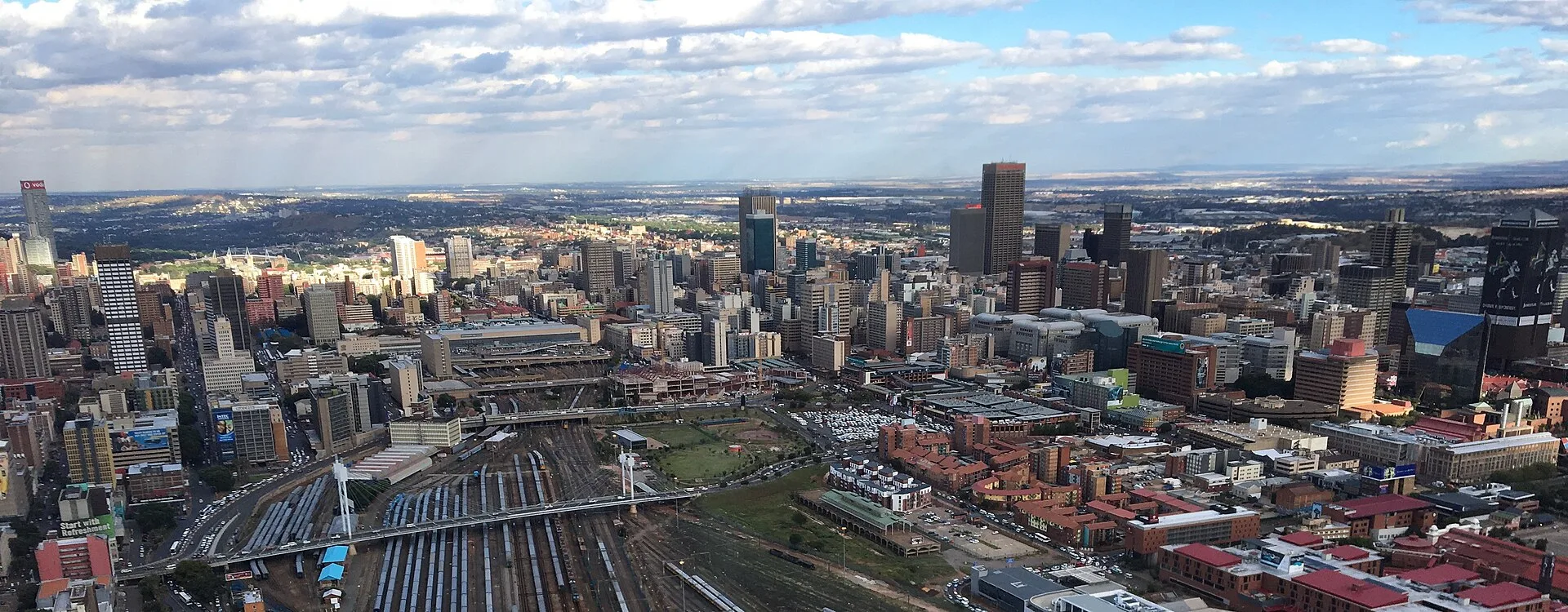
Politics: South Africa
Key Facts
—Who. The Black Business Council, a South African business body, and US Secretary of State Marco Rubio.
—What. The council fears a new US visa restriction policy could be used against businesspeople who promote “economic transformation”, meaning Black economic empowerment.
—Where. The policy applies to entry into the United States. It concerns South Africa’s land and race-related laws.
—When. Rubio announced the policy on Tuesday 15 September 2026.
—US link. The policy sits under US immigration law, and the council says it could affect South African executives who travel to the United States.
—Status. The council is voicing a concern. The policy as announced names no individuals, and we found no report of a businessperson being refused entry.
—As of. 8 October 2026, 00:30 GMT
South Africa’s Black Business Council warns that new US visa restrictions may reach well beyond politicians. The Black Business Council says the policy could be used to deny entry to anyone “promoting or advocating for economic transformation”. For US companies with South African partners, that turns a diplomatic dispute into a travel and compliance question.
What We Know
US Secretary of State Marco Rubio announced a new visa restriction policy aimed at South Africa on Tuesday 15 September 2026. He said the South African government had not adequately addressed earlier US concerns.
The policy targets foreign nationals who are responsible for, or complicit in, laws or policies that enable uncompensated land seizures, race-based discrimination or the incitement of imminent violence against minority groups in South Africa. It rests on Section 212(a)(3)(C) of the US Immigration and Nationality Act, which lets the Secretary of State bar entry when a person’s presence could have serious adverse foreign policy consequences.
Rubio tied the step to President Donald Trump’s Executive Order 14204, titled “Addressing Egregious Actions of the Republic of South Africa”, which cited South Africa’s Expropriation Act. Certain family members of those affected may also be covered.
The Black Business Council responded that the language is broad enough to catch businesspeople. It said the policy could be used against anyone who publicly backs economic transformation, according to News24.
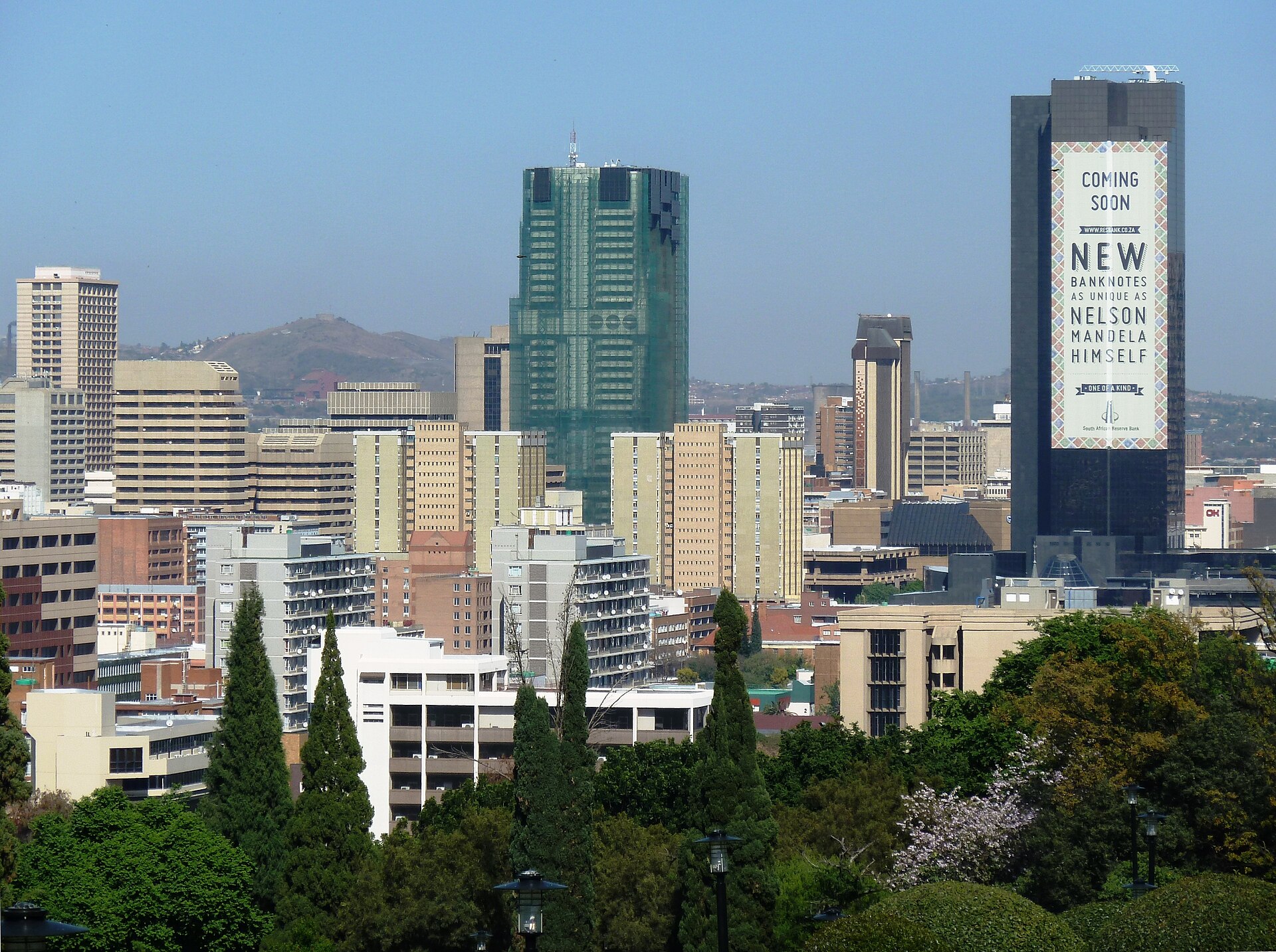
What “Pro-BEE” Means
Black Economic Empowerment, or BEE, is the set of South African policies that aim to give Black citizens a larger stake in the economy. Under its broad-based version, known as B-BBEE, companies are scored on ownership, management, skills and supplier practices, among other elements.
Those scores matter in practice, because they influence government contracts and licences. The council argues that public support for the system could therefore be read as “complicity” under the US wording.
Reaction in South Africa
International Relations Minister Ronald Lamola said South Africa respects that the United States may hold different views, according to IOL. He added that the country remains committed to addressing the challenges through its constitutional institutions and the rule of law.
The MK Party condemned the restrictions as political interference, according to News24. Daily Maverick, citing diplomatic sources, reported that the United States is not expected to release a list of the South Africans it targets.
What Is Not Known
Neither Washington nor Pretoria has named any individual affected, and the State Department has not detailed how it will decide who falls under the policy. It is therefore unclear whether any businessperson will ever be refused a visa on these grounds.
It is also unknown whether the US reads support for BEE, as opposed to drafting or enforcing land-seizure laws, as grounds for restriction. The council’s concern rests on the breadth of the wording, and we found no US statement saying it will be applied to businesspeople.
What It Means for Travelers and US Readers
On the policy’s wording, most South African travellers are not affected, because it is targeted rather than a general visa ban. Executives who hold senior roles in firms that implement empowerment rules, or who speak publicly for them, may want legal advice before booking US trips.
For US companies and investors with South African partners, the main risk is uncertainty about who can attend meetings and conferences in the United States. Readers can follow our South Africa coverage for the next steps from either capital.
More: South Africa news in English, every day from The Rio Times.
Frequently Asked Questions
What are the new US visa restrictions on South Africa?
Secretary of State Marco Rubio announced a policy on 15 September 2026 targeting foreign nationals responsible for, or complicit in, laws that enable uncompensated land seizures or race-based discrimination in South Africa. It uses Section 212(a)(3)(C) of the US Immigration and Nationality Act.
Why is the Black Business Council worried?
The council says the wording could be used to deny entry to anyone “promoting or advocating for economic transformation”. It fears the curbs may reach businesspeople, not only politicians.
What is BEE in South Africa?
Black Economic Empowerment is a set of policies that aim to give Black South Africans a larger stake in the economy. Its broad-based version, B-BBEE, scores companies on ownership, management, skills and suppliers.
Can ordinary South African travellers still visit the United States?
Yes. The announced policy is not a general visa ban. The policy is targeted at people linked to the laws and policies it names.
Sources
This article was produced by The Rio Times’ automated newsroom system. How we use AI · Report an error · Editorial responsibility: Matthias Camenzind, Editor-in-Chief