
Energy: Brazil
Key Facts
—Who. Petrobras, Brazil’s state-controlled oil company, and two US suppliers: Sempra Infrastructure and Cheniere Marketing.
—What. Two long-term contracts for liquefied natural gas (LNG): 20 years with Sempra and 22 years with Cheniere, each for about 800,000 tonnes a year.
—Where. Sempra’s gas comes from its Port Arthur LNG project in Texas. Cheniere runs the Sabine Pass terminal in Louisiana and the Corpus Christi terminal in Texas.
—When. Sempra announced its deal on Monday 14 September 2026, and Petrobras announced the Cheniere deal on Tuesday 29 September 2026.
—US link. Together the deals add about 1.6 million tonnes a year of long-term demand for US LNG exports. No price was disclosed.
—As of. 8 October 2026, 05:00 GMT.
Petrobras, Brazil’s state-controlled oil company, has signed two long-term deals to buy US liquefied natural gas (LNG) from Sempra Infrastructure and Cheniere Marketing. Together they cover about 1.6 million tonnes a year for 20 and 22 years, and neither company has disclosed a price.
What We Know
Sempra Infrastructure announced on 14 September 2026 a 20-year sales and purchase agreement with Petrobras for about 0.8 million tonnes a year of LNG. The gas will come from Port Arthur LNG Phase 2, an export project under construction in Jefferson County, Texas.
Sempra expects Phase 2 to reach commercial operations in 2030 for its third liquefaction train and in 2031 for its fourth. It described Petrobras as the first South American company in its LNG customer portfolio.
On 29 September 2026, Petrobras said it had signed a 22-year contract with Cheniere Marketing, a subsidiary of Cheniere Energy, for 800,000 tonnes of LNG a year. Cheniere operates the Sabine Pass terminal in Louisiana and the Corpus Christi terminal in Texas, with about 56 million tonnes a year in operation.
Petrobras said the contracts are meant to reduce its exposure to the volatile spot market for LNG and to add flexibility and security of supply. By our arithmetic, the Cheniere deal alone could total about 17.6 million tonnes over its life if volumes run at the contracted level.
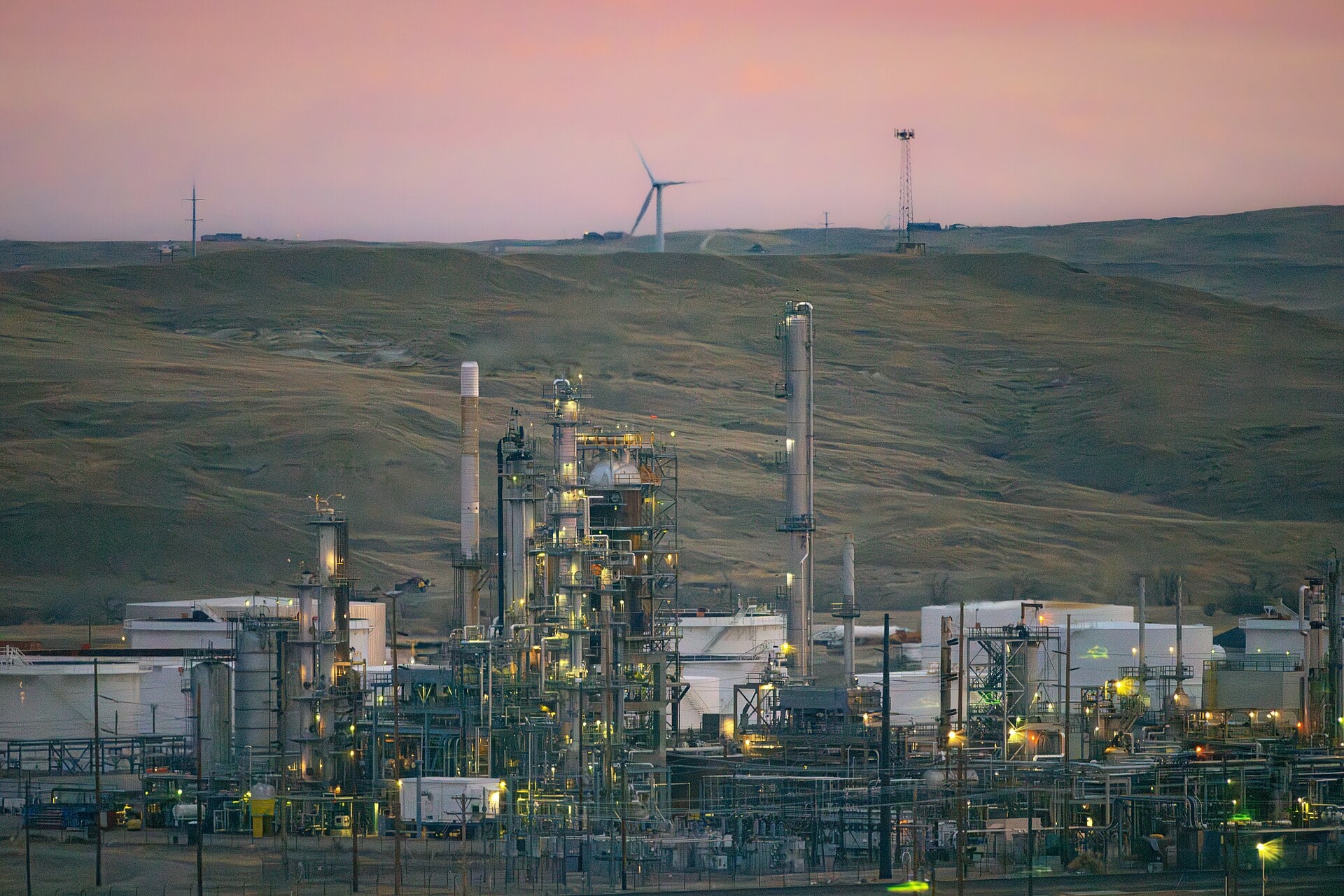
Where the US Gas Comes From
Port Arthur LNG is a Texas export project that Sempra is building in two phases. Sempra says Phase 1 is expected to reach commercial operations at or near the end of 2027 and in 2028.
Cheniere is one of the largest US LNG exporters, and its Sabine Pass and Corpus Christi plants are already running. Petrobras did not say which Cheniere plant will supply its cargoes.
Live Company IntelligencePetroleo Brasileiro Petrobras SA ADR — the full investor dossier
Wall Street view
Valuation & profitability
Price & risk
$10.6552-wk high
$24.76
Revenue trend · 6y
Ownership
Dividend
Why Brazil Wants Long-Term Gas
Exame, a Brazilian business outlet, links the contracts to rising demand for gas from industry, households and gas-fired power plants, helped by auctions for thermal power capacity. Petrobras itself points to the need for supply security.
Our earlier reporting covers the company’s push into domestic gas, from the Sergipe gas hub to the regulator’s fight over pipeline access. Imports from the United States now sit beside those domestic plans.
Locking in supply for 20 and 22 years ties Petrobras to US gas for a generation. If deliveries begin with the first Phase 2 train in 2030, the Sempra contract alone would run until about 2050.
What Is Not Known
Petrobras has not disclosed prices, pricing formulas or the start date of Cheniere deliveries. We also do not know which Cheniere plant will supply the gas.
It is unclear how much of Petrobras’s future gas supply will come from imports rather than Brazilian fields. We have not seen a comment on the contracts from Brazil’s gas regulator.
What It Means for US Readers and Investors
For US energy investors, the contracts add about 1.6 million tonnes a year of long-term demand for American LNG and support projects such as Port Arthur Phase 2 that are still being built. Sempra trades in New York under the ticker SRE, Cheniere Energy under LNG, and Petrobras’s American depositary receipts (ADRs, US-listed shares of a foreign company) under PBR.
Petrobras has not said how the deals will affect its costs or dividends, so the effect on PBR holders is unclear. Brazil is a large oil producer, yet it is now buying US gas for decades.
More: Brazil news in English, every day from The Rio Times.
Frequently Asked Questions
What did Petrobras sign?
Petrobras signed two long-term contracts to buy US liquefied natural gas (LNG). One is a 20-year deal with Sempra Infrastructure and the other a 22-year deal with Cheniere Marketing, each for about 800,000 tonnes a year.
Where will the gas come from?
Sempra’s gas is to come from Port Arthur LNG Phase 2 in Texas, which is still under construction. Petrobras did not say which Cheniere plant will supply its cargoes.
How much will the contracts cost?
Neither Petrobras nor its suppliers have disclosed a price or pricing formula. Our figure of 1.6 million tonnes a year is the combined volume, not a value.
Why does this matter to US readers?
The deals secure long-term foreign demand for US LNG, which supports US export projects and the companies behind them. Petrobras shares are also traded in the United States as ADRs under the ticker PBR.
Sources
Sempra Infrastructure · Petrobras Agency · Exame · CNN Brasil · Agência iNFRA
Connected Coverage
This article was produced by The Rio Times’ automated newsroom system. How we use AI · Report an error · Editorial responsibility: Matthias Camenzind, Editor-in-Chief