Peru Minister Summoned Over Pope Mass
A Mass meant to crown a historic papal tour ended in a political fight, and the president’s own party says the contractors, not the minister, are the issue.

Politics: Peru
Peru’s foreign minister is due to answer lawmakers on Thursday 26 November 2026 for the technical failures that left worshippers struggling to follow Pope Leo XIV’s closing Mass in Lima. The minister, Carlos Espá, has the public backing of President Keiko Fujimori, who apologised on Monday 23 November while other lawmakers push for a formal interpellation.
Key Facts
- Who. Carlos Espá, Peru’s foreign minister, answers for the organisation of Pope Leo XIV’s visit.
- What. Technical failures at Las Palmas air base in Lima hindered worshippers following the closing Mass.
- When. Chamber of Deputies session set for Thursday 26 November 2026; Mass was 16 November.
- As of. 23 November 2026, 16:30 GMT
A Mass meant to crown a historic papal tour ended in a political fight, and the president’s own party says the contractors, not the minister, are the issue.
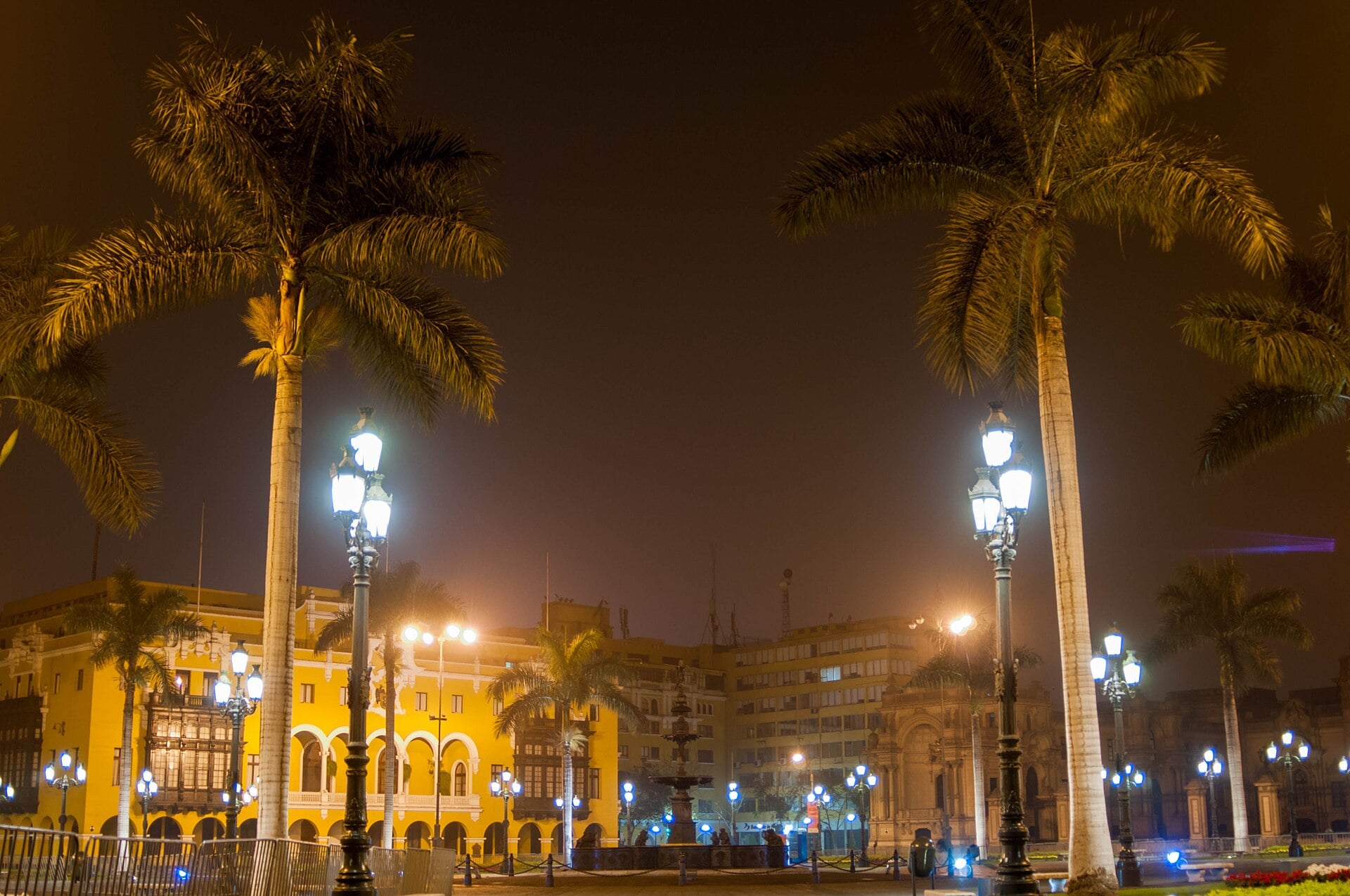
Pope Leo XIV, the first US-born pope, began a tour of Peru on 11 November 2026 and closed the visit with a Mass on Monday 16 November at the Las Palmas air base of the Peruvian Air Force in Surco, a Lima district. The Mass ended his Peru tour, which followed earlier stops in Uruguay and Argentina.
At 9:47 p.m. that night the Foreign Ministry (Cancillería) issued press release 038-26, which lamented “technical problems in some sectors” of the base that made it hard for worshippers to follow the Mass normally (translation). It said two supplier firms had been hired, one for the sound and video towers and one for the generators that powered them, and that technical investigations would establish responsibilities and contract penalties.
The release added that the contracts had “control concurrente”, a form of oversight by the Contraloría General de la República, Peru’s state comptroller. It named no firms and gave no amounts, and promised to report results “in due course” (translation).
Panamericana, a Peruvian TV channel, reported on Tuesday 17 November that the state had spent more than S/11 million (about US$3.3 million at about S/3.36 to the dollar) on contracts to organise the event. The same report said some lawmakers demanded that Espá take political responsibility and even leave, while citizens complained that some lawmakers allegedly jumped queues at entry.
On Thursday 19 November, Gestión, a Lima business daily, reported that Edwin Espinoza, a deputy of the Buen Gobierno caucus in the lower house of Peru’s two-chamber Congress, asked for information citing crowding and the temporary closure of gates that kept ticket holders out. Senators of the Ahora Nación caucus, in the upper house, were blunter: Mirtha Vásquez wrote on X that her office had sent official letters to Espá “without finding timely or adequate answers”, and Alfonso López Chau said “No me ha convencido” (“I am not convinced”, translation).
La República, a Lima daily, reported on Monday 23 November at 10:57 Lima time that the Ahora Nación caucus had gathered the backing needed to file an interpellation motion, a formal parliamentary questioning of a minister, promoted by deputy Marleny Arminta. The motion had 21 signatures so far, with support from lawmakers of two other caucuses, Juntos por el Perú and Obras, and would require Espá to explain planning procedures, control measures and who supervised the suppliers.
The strongest counter-view comes from Fujimori’s own side. Jaime Abensur, a deputy of Fuerza Popular, the president’s party, told Gestión on 19 November that an interpellation “seems an exaggeration” (translation), and the ruling party has put the responsibility on the contracted firms, Panamericana reported on 17 November.
Exitosa, a Peruvian news outlet, reported on Friday 20 November that the Chamber of Deputies’ spokespersons’ board agreed to summon Espá to its plenary session on Thursday 26 November 2026. Fujimori herself spoke of an “invitation” and an interpellation as separate possibilities, so the form of the hearing is not settled.
Speaking on Monday 23 November in Pucusana, a coastal district south of Lima, after returning from China and Japan, President Keiko Fujimori said: “In general, the whole visit of His Holiness, Pope Leo XIV, has been very good”, adding: “In the last Mass at Las Palmas there have been some deficiencies, and I too must regret and express apologies to those who were affected” (Gestión, translation). On the hearing she said: “The foreign minister will attend, I imagine there is an invitation, and if the interpellation goes ahead, then also, in that democratic spirit.
But I want to express my support for the foreign minister and the whole cabinet” (Gestión, 23 November, translation). The people affected are the worshippers who could not follow the service, among them the ticket holders Espinoza says were kept outside the gates.
The mechanism that decides who pays is the contracts themselves, since the Cancillería says responsibilities and penalties will be set under their terms once the investigations are done. What exactly caused the failure and which firm bears responsibility is not known, because the Cancillería has not published findings.
Whether the Thursday session becomes a formal interpellation is also still open, and the Cancillería has not said when its findings will come.
Frequently Asked Questions
What is an interpellation?
It is a formal parliamentary questioning of a minister. Deputies have not yet decided whether Espá will face one or accept an invitation.
Who is responsible for the failure?
That is not yet known. The Cancillería says investigations will establish responsibilities and contract penalties, and it will report results in due course.
Did the president apologise?
Yes. Keiko Fujimori said she regretted the deficiencies and apologised to those affected, while backing Espá and the cabinet.
Sources
Cancillería (press release 038-26) · Gestión · Gestión · La República · Panamericana · Exitosa
This article was produced by The Rio Times’ automated AI newsroom. Editorial responsibility: Matthias Camenzind, Publisher and Editor-in-Chief. The Rio Times also runs Ask Rio Times, which answers from 100,000+ of our own articles, the daily Latin America Power Map, and prediction-market odds on elections and markets.. How we use AI · Report an error