Peru’s government and Spanish company Zelestra have officially launched the San Martín Solar Plant in Arequipa, making it the largest solar facility in the country.
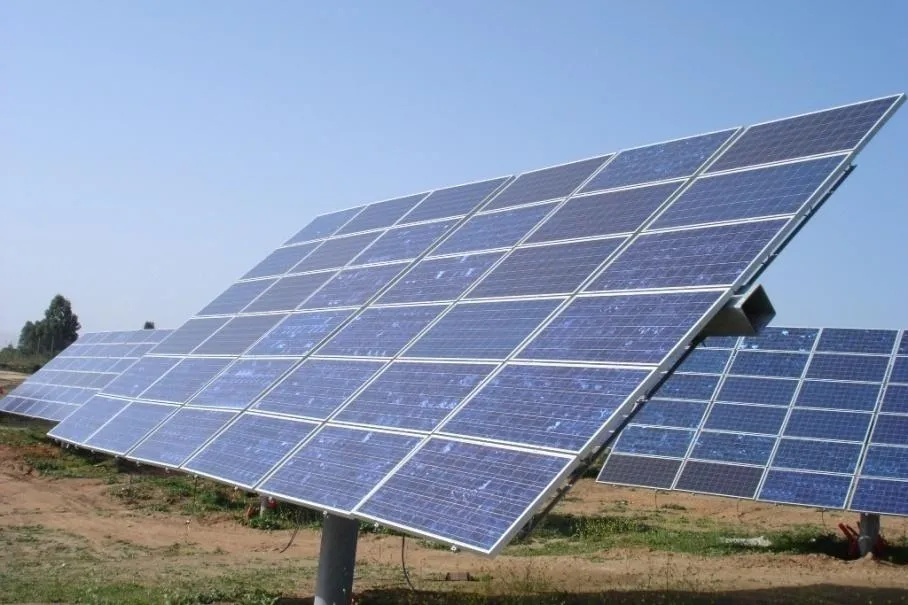
The plant delivers 300 megawatts of electricity, enough to power about 440,000 homes, using over 450,000 solar panels that cover more than 600 hectares—an area bigger than 1,400 football fields.
Official sources report the project cost at least $175 million and created over 900 jobs during construction. The Ministry of Energy and Mines confirms that San Martín will feed roughly 830 gigawatt-hours of power into the national grid every year.
It will also keep around 166,000 tons of carbon dioxide out of the air annually. These numbers put Peru closer to its goal of tripling solar power by 2028.
Key business drivers shape this investment. Peru’s huge mining industry depends on steady, low-cost power. By locking in energy sales to major industrial buyers through long-term contracts, companies like Zelestra gain reliable income.
At the same time, they help the country diversify energy sources beyond hydropower and gas. Peruvian officials say legal stability and collaboration between public agencies and private investors made the project possible.
The new plant increases Peru’s total solar capacity to nearly 1,000 megawatts, a major jump from just a few years ago. The success of San Martín shows that large-scale renewables are now practical and profitable in South America.
San Martín is more than an energy project. It means local jobs, new opportunities for Peruvian industry, and a way to cut pollution as the country grows. The story here is business practicality: solar power now makes sense for both investors and Peru’s future.
More: Latin America news in English, every day from The Rio Times.
This article was produced by The Rio Times’ automated newsroom system. How we use AI · Report an error · Editorial responsibility: Matthias Camenzind, Editor-in-Chief