China Pushes to Keep Grip on Strategic Panama Canal Ports
CK Hutchison, a Hong Kong company, decided in March 2025 to sell its huge port business, totaling 43 ports in 23 countries, for $22.8 billion.
The buyers are BlackRock, the world’s biggest investment group, and Mediterranean Shipping Company (MSC), the largest shipping company.
Two of those ports sit right at the entrance to the Panama Canal, the key shortcut for moving goods between the Atlantic and Pacific. China stepped in quickly.
Chinese government authorities told the sellers and buyers they will block the deal unless China’s own Cosco shipping company gets part-ownership. China made this clear through its formal merger approval process, which any deal with Chinese links must pass.
China’s move means it wants to keep some control over who operates ports at this critical trading point. The United States government is also watching closely.
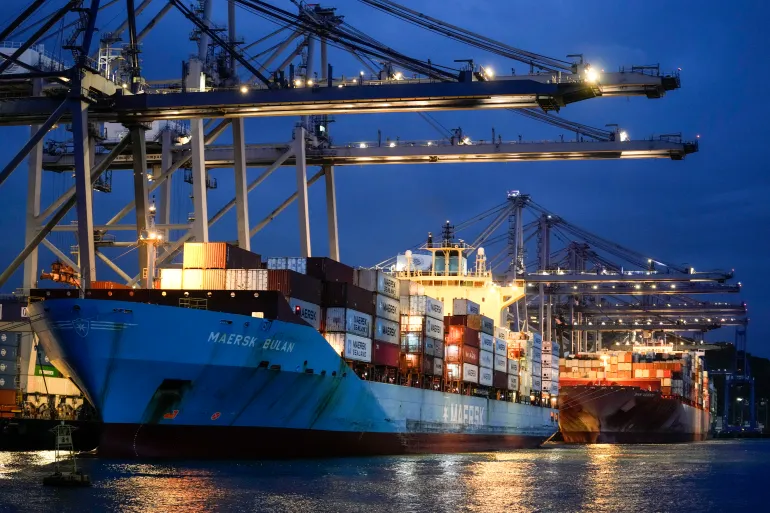
U.S.-China Clash Over Panama Canal Ports Threatens Global Trade
American officials believe control over these Panama Canal ports is key for their trade security. They want less Chinese influence over shipping in the region. With 40% of U.S. container trade using the canal, the stakes are high for American business.
By late July 2025, no final agreement had been reached on including Cosco. The group of BlackRock, MSC, and CK Hutchison faces a deadline.
If the companies can’t find a solution that lets the deal pass Chinese, U.S., European, and Panamanian regulators, the sale may fall through. This would leave China-linked owners in charge for now.
This dispute is about who gets to shape global trade flows. Control over ports means control over shipping routes, pricing, and, sometimes, political leverage.
Whoever wins more influence in Panama’s ports gains a powerful position in world commerce. The latest events show the competition between big economies no longer happens just over products or money, but over the very infrastructure that makes world trade possible.
The outcome of this port sale will affect global supply chains and business decisions for years to come.
More: Latin America news in English, every day from The Rio Times.
This article was produced by The Rio Times’ automated newsroom system. How we use AI · Report an error · Editorial responsibility: Matthias Camenzind, Editor-in-Chief