Lawmaker Says Pemex Abandoned Veracruz Wells
A lawmaker of Mexico’s governing Morena party says Pemex left wells in northern Veracruz with no one in charge. The report carries no reply from the company.

Energy: Mexico
On Wednesday 25 November 2026, federal deputy Xóchitl Zagal Ramírez said that state oil company Petróleos Mexicanos (Pemex) has left exploration wells abandoned in northern Veracruz state. La Jornada, a Mexican national daily, published her statements, which NVI Noticias, a Veracruz news outlet, carried on 25 November, and they are accusations, not established facts.
Zagal says the wells, in the Poza Rica and Papantla region, cause serious environmental damage and that Pemex has not done adequate remediation or compensation. The report does not include a response from Pemex.
Key Facts
- Who. Deputy Xóchitl Zagal of Mexico’s governing Morena party accuses state oil firm Pemex.
- What. She says Pemex left exploration wells abandoned near Poza Rica and Papantla, Veracruz.
- Open. The report has no Pemex reply; well numbers and sites are unknown.
- Power Index. Mexico ranks 2nd of 14 in The Rio Times Latin America Power Index, with 70.8 points (November 2026 edition).
- As of. 26 November 2026, 13:45 GMT.
A lawmaker of Mexico’s governing Morena party says Pemex left wells in northern Veracruz with no one in charge. The report carries no reply from the company.
Zagal says she toured the area “a few months ago” and documented a “lack of follow-up or responsibility” by Pemex. She calls the wells “huerfanitos”, or little orphans, meaning sites with no one in charge.
Some wells are conventional ones that sought crude oil, she says, while others sought gas by fracking. Fracking, or hydraulic fracturing, injects water, sand and chemicals into rock to free gas, and was planned under the 2013-14 energy reform of former president Enrique Peña Nieto.
She says the fracking wells date from the governments of Peña Nieto and Felipe Calderón, also a former president, and that companies left after community resistance. The report does not say how many wells are involved or who operated each.
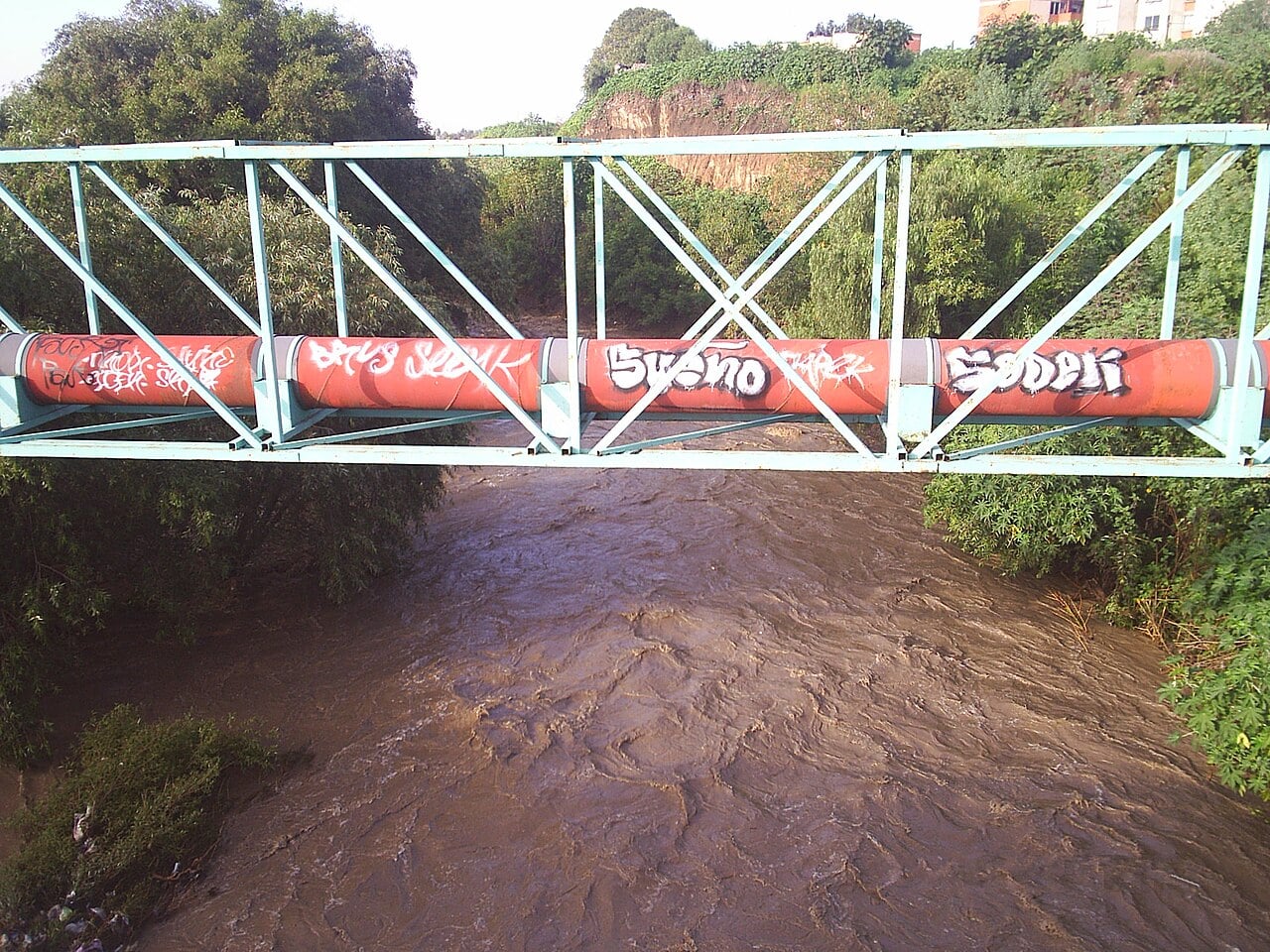
Zagal says Pemex has “quite questionable and opaque mechanisms” to repair damage and compensate residents. After pipeline accidents or lack of maintenance, she said, tar “starts gushing out where there are cornfields or bodies of water, rivers or small ponds that supply the crops”.
“We eat that and it causes many health problems,” she said. The report quotes no one else.
She says she has two reform initiatives to ban fracking, one constitutional and one to secondary laws. They revive a similar initiative from former president Andrés Manuel López Obrador whose legal term lapsed, and “we reactivated and strengthened it”, she said.
Zagal says the two dictámenes, or committee reports, are under discussion, and she wants forums and social-environmental experts added to the group reviewing fracking’s viability. Nothing we found shows how far the bills have advanced.
A government document records similar grievances. SECIHTI, Mexico’s federal science and technology ministry, said in an August 2026 analysis that rural Papantla communities show “strong rejection of hydraulic fracturing” and grievance over Pemex impacts “that have never been repaired”.
The analysis says energy ministry assignments to Pemex in the Tampico-Misantla basin, an oil region spanning Veracruz and neighbouring states, cover 46 municipalities with 1,926,000 people. It adds that communities in the Huasteca and El Tajín regions have opposed fracking for more than 10 years.
President Claudia Sheinbaum’s scientific committee of 54 specialists presented its first report on Thursday 6 August 2026 with 10 recommendations, including public consultations where fracking is proposed. According to Crónica, a Mexican daily, and other Mexican outlets, it also recommended banning unconventional-gas extraction in the Tampico-Misantla basin, which includes the Papantla region.
The open points are how many wells exist, where, who operated them and whether Pemex or the energy ministry will answer Zagal. Until they do, her account stays an accusation by one lawmaker, carried by one outlet.
Frequently Asked Questions
What is Zagal accusing Pemex of?
She says Pemex left exploration wells in the Poza Rica and Papantla region with no one in charge, and has not repaired the damage or compensated residents properly. The report carries no reply from the company.
Is a fracking ban on the way?
Zagal says two initiatives to ban fracking are under discussion, but her words are the only account of their progress that we found. The science ministry’s own analysis records local opposition in the Papantla region, and the government’s committee recommended banning unconventional-gas extraction in that basin.
Sources
Published Thursday 26 November 2026 · Source: SECIHTI working-group analysis, August 2026 · La Jornada, via NVI Noticias, 25 November 2026 · Crónica, a Mexican daily, 6 August 2026
This article was produced by The Rio Times’ automated AI newsroom. Editorial responsibility: Matthias Camenzind, Publisher and Editor-in-Chief. The Rio Times also runs Ask Rio Times, which answers from 100,000+ of our own articles, the daily Latin America Power Map, and prediction-market odds on elections and markets.. How we use AI · Report an error
Connected Coverage
More: Mexico news