Paraguay Wants to Sell Its Spare Power to the AI Boom

Technology
Key Facts
—The pitch. Paraguay generates almost all its electricity from hydropower and uses only a fraction, leaving a surplus it wants to sell to AI data centers.
—The big bet. A US firm, X8 Cloud, has floated plans to invest as much as $50 billion over three decades in what it calls South America’s largest AI complex.
—The builder. Hive Digital is expanding a hydro-powered site at Yguazú to 400 megawatts, with full commissioning due in the third quarter of this year.
—The politics. President Santiago Peña signed a technology accord with Taiwan in May, pairing Taiwanese know-how with Paraguayan energy.
—The ceiling. The country has only about 5 GW of available power today, a real limit on how far the ambition can stretch.
A small landlocked country is trying to turn its greatest surplus into its next industry. The plan to build Paraguay data centers rests on a simple mismatch: it makes far more clean power than it can ever use at home.
For a foreign reader, the logic tracks the world’s biggest bottleneck. The global AI boom is running short of electricity, and Paraguay sits on one of the largest untapped clean-energy surpluses on earth.
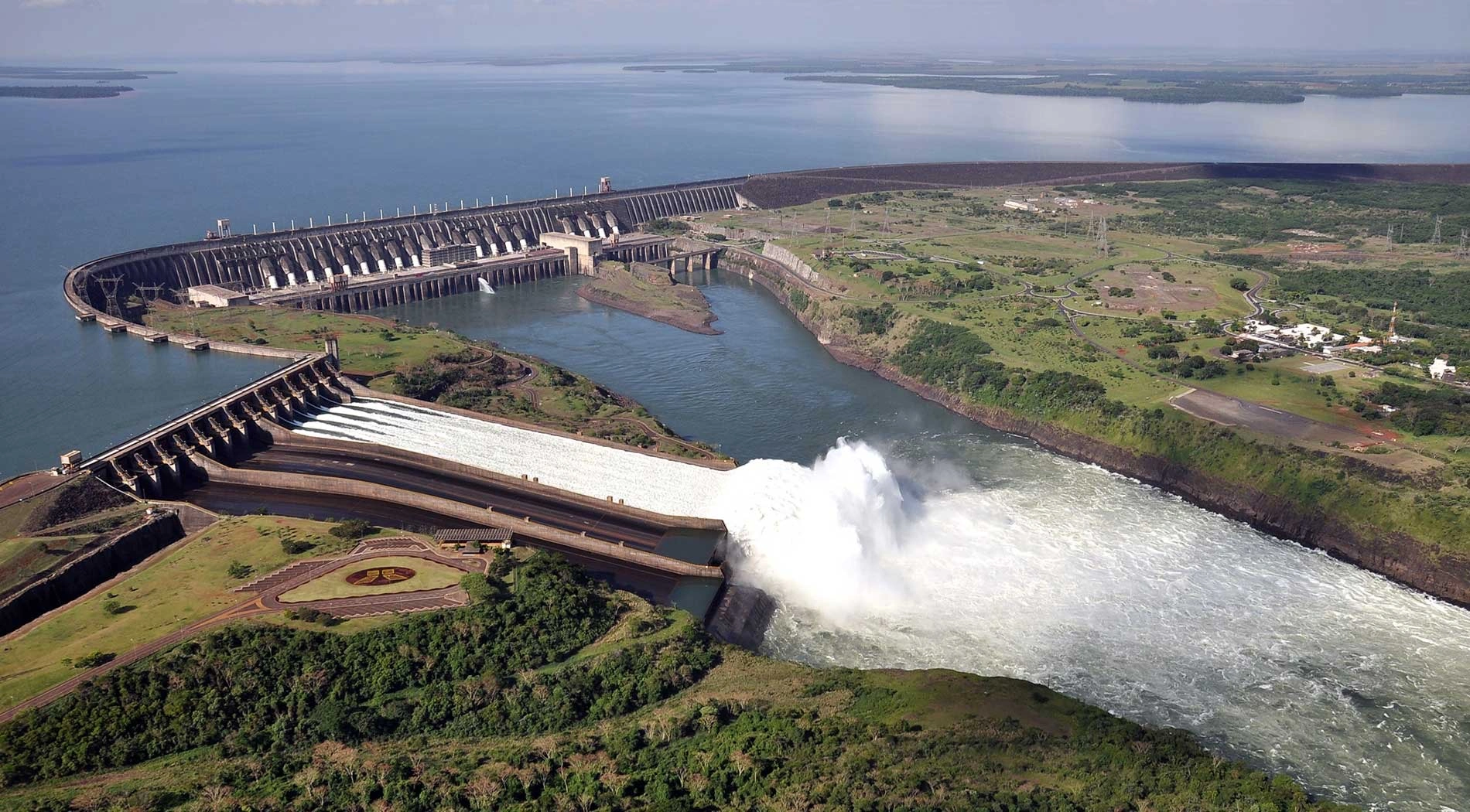
Almost all of that power comes from two giant dams. Itaipú is shared with Brazil and Yacyretá with Argentina.
Paraguay’s half of Itaipú alone could power the country roughly three times over. Much of the rest has long been sold cheaply to its neighbours.
Why Paraguay data centers suddenly make sense
The money is starting to arrive. A US company, X8 Cloud, plans to invest as much as fifty billion dollars over three decades in what it says would be the largest AI data centre in South America.
Others are already building. The firm Hive Digital is expanding a hydro-powered site at Yguazú to four hundred megawatts, shifting from crypto mining toward AI computing, with full commissioning expected this third quarter.
The government is chasing the trend at the top level. As reported from Asunción, President Santiago Peña signed an accord with Taiwan in May, pairing Taiwanese technology with Paraguayan energy.
Paraguay brings more than cheap electricity to the table. It holds investment-grade credit ratings from all three big agencies, keeps inflation low and taxes light, and its central location offers decent links to markets north and south.
The limits behind the ambition
The constraint is capacity. The grid can supply only about five gigawatts today, a ceiling the country’s own industry minister has acknowledged, and one mega-project could swallow a large chunk of it.
There is a rules gap too. The country still lacks a settled framework for data centres and long-term power, and it must first renegotiate the treaty that governs how Itaipú’s output is priced and shared.
Sceptics urge caution on the giant numbers. Opposition figures have questioned the limited track record of some bidders and warned that projected demand could outrun supply.
So the eye-catching figures are best read as ambition rather than delivery. A geopolitical thread also runs through all of this.
Paraguay is the only country in South America that still keeps formal diplomatic ties with Taiwan. The technology accord deepens a relationship that Beijing has spent years trying to unpick.
The wider prize is a change of economic role. If the projects land, Paraguay would stop exporting raw electricity and start selling computing power, a far more valuable good, without leaving its own borders.
For investors and residents alike, the honest read is promise tempered by plumbing. The energy advantage is genuine and rare, but turning megawatts into a lasting industry will take grid build-out, clear rules and years of patient work.
Why are Paraguay data centers being planned now?
Paraguay produces far more clean hydropower than it consumes and has long sold the surplus cheaply to Brazil and Argentina. Hosting data centers would let it turn that spare electricity into higher-value technology exports at home.
How big are the investments?
X8 Cloud has floated as much as fifty billion dollars over thirty years, while Hive Digital is taking one site to four hundred megawatts this year. A May accord with Taiwan adds a government-backed project on top.
What could hold it back?
The main limits are grid capacity of about five gigawatts, a missing regulatory framework, and the need to renegotiate the Itaipú treaty. Critics also warn that the headline investment figures may prove larger than what is actually built.
Connected Coverage
Paraguay: South America’s Quiet Economic Miracle, Explained
Brazil Is Losing the AI Data Center Race While Its Rules Sit Stuck
Argentina’s Energy Firms Beat the State Back to Global Debt Markets
More: Paraguay news in English, every day from The Rio Times.
Frequently Asked Questions
How much could X8 Cloud invest in Paraguay, and over what period?
X8 Cloud plans to invest as much as $50 billion over 30 years in what it says would be the largest AI data center in South America. Critics caution that this figure reflects ambition and may not match what is actually built.
What is Hive Digital building in Paraguay, and when will it be ready?
Hive Digital is expanding a hydro-powered site at Yguazú to 400 megawatts, with full commissioning expected in the third quarter of this year. The company is shifting its focus from crypto mining toward AI computing.
What are the biggest obstacles to Paraguay becoming a major AI data center hub?
The grid can supply only about 5 gigawatts today, and there is no settled framework for data centers or long-term power. Paraguay must also renegotiate the treaty governing Itaipú’s output, so the impressive numbers are better read as goals than guarantees.
This article was produced by The Rio Times’ automated newsroom system. How we use AI · Report an error · Editorial responsibility: Matthias Camenzind, Editor-in-Chief