Nicaragua Constitutional Reform Clears Its First Vote
Nicaragua · POLITICS
Key Facts
- —First vote Approved by show of hands in a special session on 1 September 2026 in León.
- —Second vote Required in the following legislature. The government has announced 18 January 2027, again in León.
- —Presidential term Extended from six years to seven, renewable.
- —Ban on opponents Those labeled traitors or coup plotters cannot run for office or hold public posts.
- —Party funding The Supreme Electoral Council can cancel parties organised with funding from abroad. The text names no particular country.
A first legislative hurdle is cleared, but a second vote still stands between the reform and the constitution.
Nicaragua constitutional reform cleared its first legislative vote on 1 September 2026, but it is far from final. The reform still needs a second approval in a future legislature before it can take effect.
What the Nicaragua Constitutional Reform Does
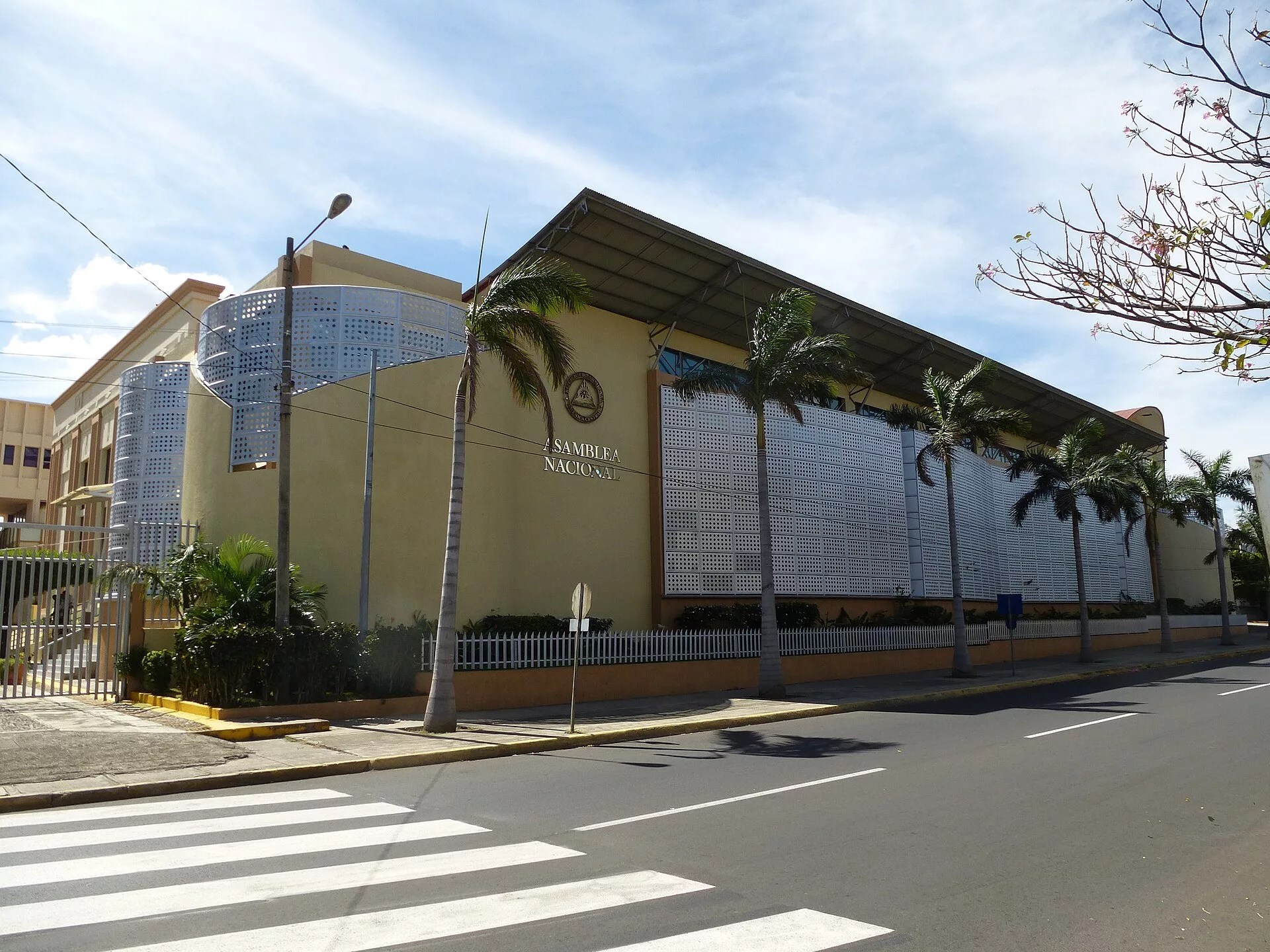
Nicaragua constitutional reform passed its first hurdle in a special session of the National Assembly, held in León. The vote was unanimous, taken by a show of hands, with no numerical roll-call published.
This approval is only the first of two required legislatures. A partial constitutional reform must pass in two consecutive annual sessions of the Assembly.
A second vote is still needed. Assembly President Gustavo Porras and co-president Rosario Murillo have said it will be held on 18 January 2027, again in León.
Exact Dates and Times
The special session took place on 1 September 2026, earlier than initially reported. Earlier coverage had pointed to 21 September 2026, but that date is no longer operative.
Meanwhile, the government has set the second-legislature vote for 18 January 2027 in León. As a result, the reform will not enter into force until after that second vote.
What the Reform Changes
The reform extends the presidential term from six years to seven, and makes it renewable. A 2025 reform had already taken the term from five to six years and created the co-presidency now held by Daniel Ortega and Rosario Murillo.
Because sitting officials’ terms are extended, the general election due in November 2026 moves to November 2027. The inauguration date moves from 10 to 18 January, the birthday of the poet Rubén Darío.
It also aligns or extends terms for co-presidents, other elected officials, and the heads of the Army and the Police.
In addition, it bars anyone the authorities label traitors to the homeland or coup plotters. They could not stand for elected office or hold public posts.
EFE reports the provision reaches at least 452 denationalised opponents and critics, among them the writers Sergio Ramírez and Gioconda Belli. Those affected are also barred from serving on party boards.
Impact on Political Parties
The text also reaches political parties. The Supreme Electoral Council could deny or cancel the legal status of any party organised with funding from abroad.
The text does not name any particular country.
It also targets parties judged to promote sanctions, foreign intervention, or coups. Because the governing FSLN dominates the National Assembly, the reform is likely to pass the second vote as well.
Still, the consequences for opposition parties could be severe, as foreign funding is common among them.
Getting There and What to Do
If you are in Nicaragua, you can follow the process through official announcements. The Assembly says it already ran a 36-day consultation with more than 300,000 participants, which independent outlets in exile dispute.
For expats, the key is to stay informed about how the reform might affect your residency or political activities.
For those outside, consider reaching out to human rights groups for updates. However, avoid spreading unconfirmed details, as the situation is evolving.
Who Is Affected
Nicaraguan citizens, especially opposition figures and their families, are the most directly affected. Denationalised individuals—those stripped of citizenship—face explicit bans from public office.
In addition, political parties that rely on foreign funding could lose their legal status. Expats with Nicaraguan ties should also watch how the reform might reshape the political landscape.
What It Means for Residents
For foreign residents, the reform signals a tightening of political space, according to rights groups. Amnesty International said on 30 July 2026, through its Americas director Ana Piquer, that the reform seeks to dismantle Nicaraguans’ right to take part in public affairs.
Even so, the reform is not yet in force, so daily life remains unchanged for now. However, the second vote in 2027 could bring more restrictions, so residents should monitor developments.
International Reactions
On 19 August 2026 the OAS Permanent Council voted 29 to 1, with one abstention, to convoke an urgent meeting of foreign ministers over the reform. Brazil voted against and Mexico abstained.
The United States led that push. Michael Kozak of the State Department said the time for declarations without actions was over.
The Nicaraguan government defends the package as a guarantee of continuity. Assembly President Gustavo Porras said the seven-year terms ensure stability in vision, operability and continuity.
Porras presided over the León session and laid a copy of the text at Rubén Darío’s tomb. International pressure may mount as the second vote approaches.
Practical Tips
Rights groups say the package entrenches authoritarian rule. The United States and regional governments have criticised it.
In short, stay patient and wait for the second legislative vote. Meanwhile, focus on factual updates from reliable sources, not speculation.
More: Latin America news in English, every day from The Rio Times.
Frequently Asked Questions
Is the Nicaragua constitutional reform already in effect?
No, it has only passed the first of two required legislatures. A second approval, announced by the government for 18 January 2027, is needed before it becomes part of the constitution.
What does the reform do to presidential terms?
It extends the presidential term from six years to seven, and makes it renewable. It also extends terms for co-presidents and other officials.
Who is banned from running for office under the reform?
Anyone labeled a traitor to the homeland or a coup plotter, including denationalised opponents. The ban also applies to holding public posts.
How can foreign funding affect political parties?
The Supreme Electoral Council can cancel the legal status of parties organised with funding from abroad. The text names no particular country.
Parties promoting sanctions or coups are also at risk.
Connected Coverage
Sources: Nicaraguan and regional press; Amnesty International; OAS.
This article was produced by The Rio Times’ automated newsroom system. How we use AI · Report an error · Editorial responsibility: Matthias Camenzind, Editor-in-Chief