Moody’s Investors Service has revised its economic growth estimates for Mexico in 2023 and 2024 upward.
This optimism stems from a robust manufacturing sector and a trend toward relocating supply chains.
Moody’s projects a 3.5% growth for Mexico’s economy in 2023, up from the prior 3.3% forecast.
For 2024, the agency predicts a 2.3% growth, increased from the previous 1.9% expectation.
Moody’s revision in global forecasts highlights Mexico’s sustained economic gains, underpinning the positive adjustments.
By 2025, Moody envisions Mexico’s GDP growing by an average of 2.0% to 2.5%, bolstered by global supply chains moving operations closer to the U.S. market.
This strategy is termed ‘nearshoring’.
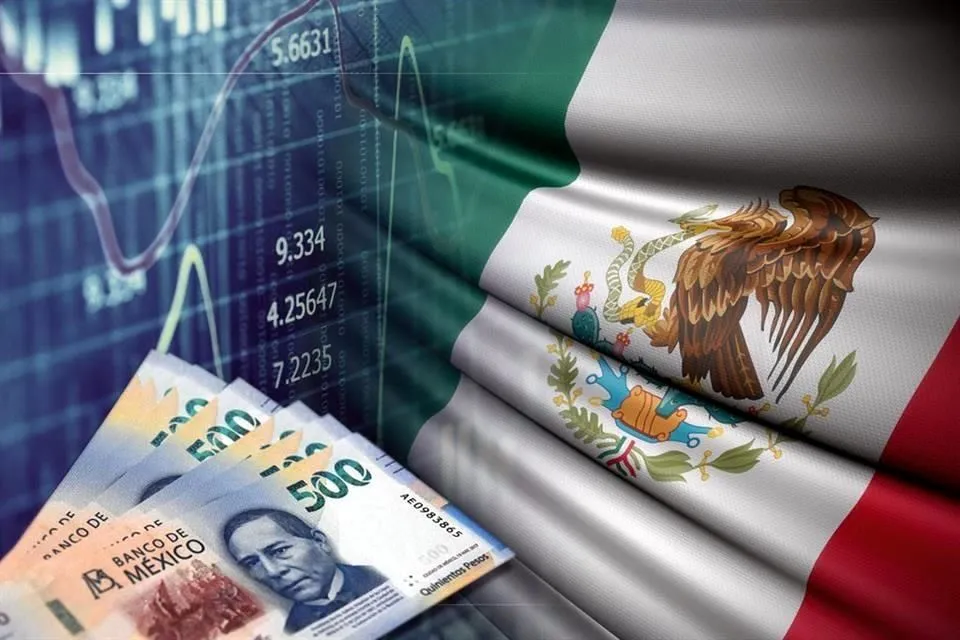
Mexico’s economic progress is fueled by vigorous investment, the wrap-up of pending projects, and a strategic reorientation of supply chains.
This reorientation is geared towards procuring goods from locations nearer to the U.S. market.
Aligning with Moody’s positive outlook, the Mexican government forecasts an economic growth of 2.5% to 3.5% for both 2023 and 2024.
Background – Moody’s Boosts Mexico’s Growth Outlook
Following the global economic setback triggered by the pandemic, Mexico’s economy has been rebounding.
The country has reaped benefits from its proximity and trade relationship with the U.S. Its manufacturing sector, especially automotive production, has expanded significantly.
This boost has been partly attributed to the United States-Mexico-Canada Agreement (USMCA), fostering trade and integration.
Additionally, disruptions in global supply chains have prompted numerous businesses to relocate manufacturing to places nearer to the U.S., benefiting Mexico.
This ongoing nearshoring trend is likely to be sustained, strengthening Mexico’s economic stance.
The Mexican government has been active in enacting policies to draw foreign investment, which is vital for economic growth.
Lastly, Mexico’s economic foundations are further solidified by its wealth of natural resources, including oil, a key source of revenue.
More: Mexico news in English, every day from The Rio Times.
This article was produced by The Rio Times’ automated newsroom system. How we use AI · Report an error · Editorial responsibility: Matthias Camenzind, Editor-in-Chief