President Andrés Manuel López Obrador of Mexico is considering a potential deal involving the expropriation of a U.S.-owned mine.
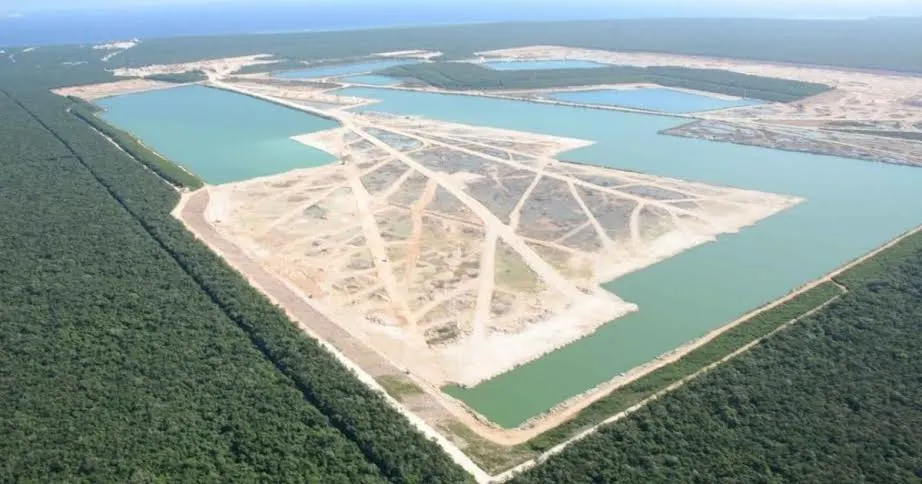
The Calica-Sac-Tun mine spans roughly 2,400 hectares south of Playa del Carmen.
His plan may turn the area into a protected natural zone. He discussed this while responding to inquiries about the Vulcan Materials-owned operation’s destiny.
López Obrador admitted that he is exploring different avenues to reach an agreement.
He highlighted the importance of protecting the environment from the impacts of mining operations.
In an effort to safeguard the region, he proposed a purchase of the mine’s land in July. Mexican authorities have provided a valuation to inform a possible purchase offer.
Intent on preserving the area, he aims to resolve this before his presidency concludes in 2024.
Should negotiations falter, the president warned that he might proceed with expropriation. He stressed the need for immediate action to protect the area.
Vulcan sued Mexico, claiming ecological harm, with a decision pending from an international investment disputes tribunal.
The tribunal will determine Mexico’s adherence to the North American Free Trade Agreement NAFTA terms.
Demanding $1.529 billion for alleged losses, Vulcan challenges the shutdown of its operations over environmental accusations last year.
Despite Vulcan’s concession lasting until 2037, they accuse Mexico of breaking a 2014 agreement designed to end legal disputes.
The Yucatán Peninsula holds geological importance, with its forests and cenotes sitting on the crater of a meteorite that likely ended the dinosaurs.
Background
Vulcan’s Yucatán venture has stirred conflict due to the region’s diverse habitats.
The site, known as Calica-Sac-Tun, covers 2,400 hectares and has ignited debate over development versus conservation.
The president’s intent to buy the land aims to transform it into a protected sanctuary. Yucatán has seen environmental pressures from various sectors.
The current administration’s approach marks a potential shift toward stronger environmental protection.
This situation underscores the global dilemma of balancing resource use with environmental care. The result could influence Mexico’s future decisions on such matters.
Yucatán is not just an ecological gem but also a cultural heritage site.
Its unique geological features, including the cenotes, are critical to local water resources and have deep cultural significance.
Vulcan’s operation has sparked a broader conversation on natural resource management in vulnerable areas, raising issues of national interest and conservation ethics.
More: Mexico news in English, every day from The Rio Times.
This article was produced by The Rio Times’ automated newsroom system. How we use AI · Report an error · Editorial responsibility: Matthias Camenzind, Editor-in-Chief