Milei Scraps an Argentine Ministry and Hands One Ally Sweeping Power

Politics
Key Facts
—The decree. President Javier Milei abolished Argentina’s Interior Ministry on July 2 through an emergency decree, folding its duties into the cabinet chief’s office.
—The winner. Diego Santilli, named cabinet chief only days earlier, now controls relations with the provinces, Congress and the electoral system.
—The shape. The move leaves the national cabinet with a chief of staff and eight ministries, part of Milei’s drive to shrink the state.
—The reason. The government cited “reasons of management,” saying the change makes the administration leaner and faster.
—The support. Two new deputy posts were created to help Santilli, one of them run by the former interior secretary.
—The timing. It lands months before October legislative midterms that will decide how much of Milei’s program can pass.
Argentina’s president has just concentrated a large slice of political power in a single pair of hands. By erasing the Argentina Interior Ministry and handing its job to his new right-hand man, Javier Milei has reshaped how his government talks to the provinces and to Congress.
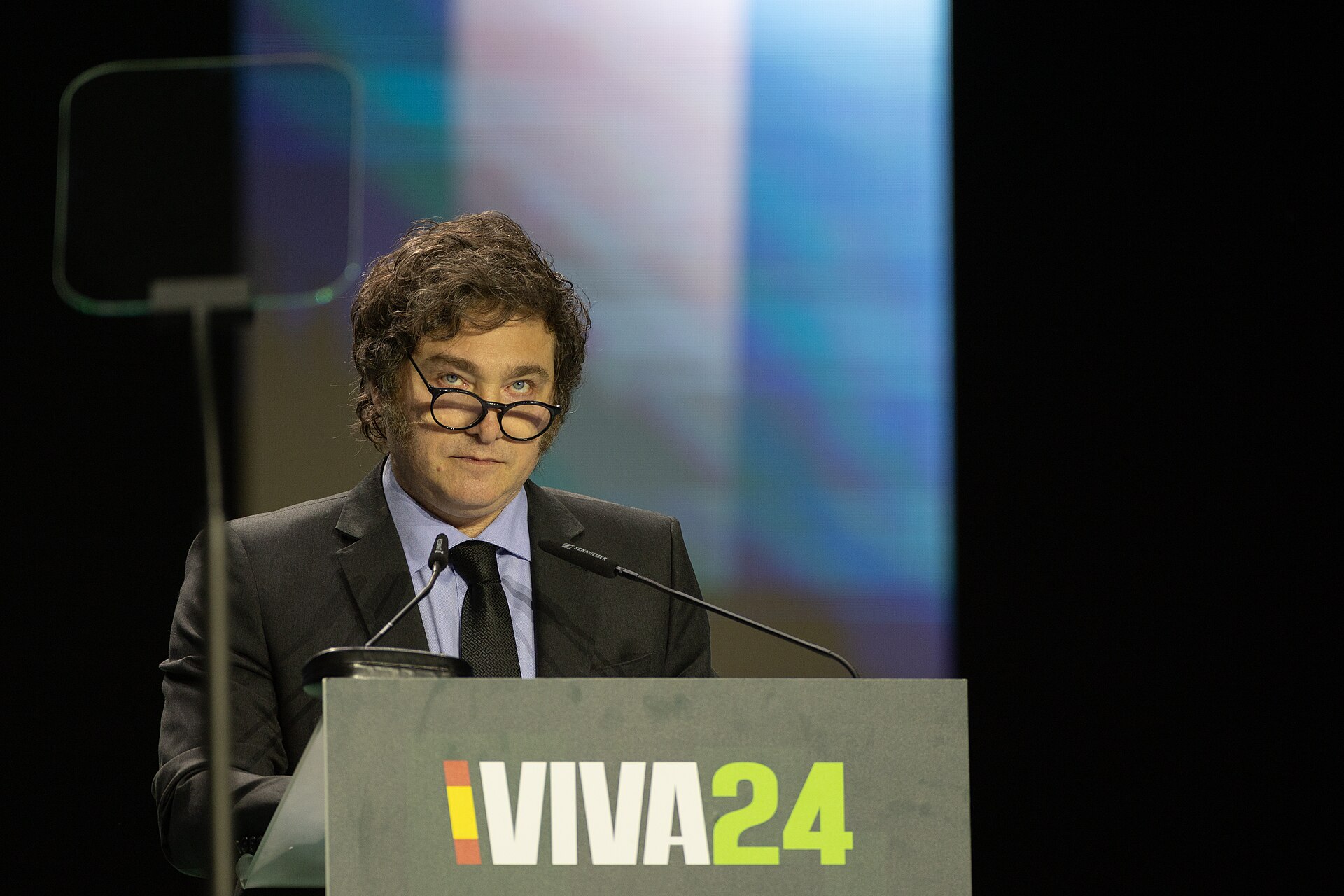
The change came on Thursday, July 2, through what Argentina calls a decree of necessity and urgency, a presidential order that takes effect at once and only later goes to Congress for review. The order shut down the Interior Ministry and moved all its functions to the office of the cabinet chief.
That office is now held by Diego Santilli, a veteran center-right politician sworn in as cabinet chief only days before. In one stroke he has become the government’s single most powerful minister after the president himself.
Why abolishing the Argentina Interior Ministry matters
In Argentina, the Interior Ministry is the federal government’s main channel to the country’s provincial governors, who command real money and political networks. Whoever runs it holds the levers of the relationship between the capital and the provinces.
By folding that role into the cabinet chief’s office, Milei has put the governor relationship, the day-to-day running of government, the link with Congress and the electoral machinery all under one person. For a president whose party lacks a majority in either house, controlling those levers is everything.
The government framed the decision in dry administrative terms, citing “reasons of management” and a wish to make the state leaner and quicker. Critics read it differently, as one more step in a steady concentration of authority in the presidency and its inner circle.
Santilli becomes the government’s strongman
Santilli is well suited to the role on paper. He is a former interior minister himself, so he knows the provincial power brokers Milei needs to win over, and he built his career in the center-right before aligning with the president’s bloc.
To help him carry the expanded workload, the decree created two new deputy positions inside the cabinet chief’s office, each with the rank of secretary. One of them went to the official who had been running the now-defunct Interior Ministry, keeping experienced hands on the provincial file.
The same package moved the government’s communications operation directly under the presidency, creating a new presidential spokesperson office. The overall effect is a tighter, more centralized command structure around Milei and his sister, the powerful presidential secretary Karina Milei.
With the Interior Ministry gone, the national cabinet now runs on eight portfolios: foreign affairs, defense, economy, justice, security, health, human capital, and deregulation and state transformation. That lean structure is itself the message, a government built to shrink rather than grow the state.
Because the change came by emergency decree rather than a law, it took effect immediately but must still be sent to Congress for review. That leaves open a familiar Argentine tension, where the parts of Milei’s program that move by decree are fast, while anything needing a vote moves at the pace of a legislature he does not fully control.
The timing points to October
The reshuffle lands at a delicate moment. Milei’s previous cabinet chief resigned in late June amid a corruption investigation, leaving the government without its chief negotiator just as it courts governors for the next round of reforms.
Bringing in Santilli and then handing him the provincial and electoral levers is Milei’s answer to that gap. The real test comes in October, when legislative midterms will decide whether the president can build the working majority he needs to pass his labor, tax and other reforms.
For an investor watching from abroad, the read is mixed. A single, capable negotiator lowers the risk that reforms stall, but concentrating so much power in one office also raises the stakes if that person stumbles or the midterms go badly.
What happened to the Argentina Interior Ministry?
On July 2, President Milei abolished the ministry by emergency decree and transferred all its functions to the cabinet chief’s office. The change leaves the national cabinet with a chief of staff and eight ministries.
Why does the change give Santilli so much power?
The Interior Ministry ran the federal government’s relationship with the provinces and the electoral system. Folding it into the cabinet chief’s office means Santilli now controls that relationship along with the link to Congress and the daily running of government.
More: Argentina news in English, every day from The Rio Times.
Why does the timing matter?
The move comes just months before October legislative midterms that will shape how much of Milei’s agenda can pass. It also follows the resignation of his previous cabinet chief amid a corruption probe, which had left the government without its main negotiator.
Connected Coverage
Milei Names Diego Santilli Cabinet Chief to Replace Adorni
Milei Cabinet Chief Adorni Resigns as Corruption Scandal Peaks
This article was produced by The Rio Times’ automated newsroom system. How we use AI · Report an error · Editorial responsibility: Matthias Camenzind, Editor-in-Chief
In depth
Rotate for Best Experience
This report is optimized for landscape viewing. Rotate your phone for the full experience.
You've reached your free article limit
Subscribe to The Rio Times for unlimited access to our news, expat and nomad guides and market intelligence on Latin America and Africa.