Mauritania Teachers Demand Pay Rises as Inflation Squeezes Households
Mauritania · ECONOMY
Key Facts
- —The country Mauritania is a mostly desert nation of about 5 million people on Africa’s northwest Atlantic coast.
- —What happened On 24 September, three main teacher unions rallied outside the Education Ministry in Nouakchott demanding higher pay.
- —The numbers Annual inflation hit 8.9 percent in August 2026, after averaging 1.5 percent across 2025.
- —Government response A July decree gave classroom teachers a 1,000-ouguiya (about US$25) raise and a 6,500-ouguiya (about US$162) monthly chalk allowance.
- —Wider context The IMF approved new 42-month lending arrangements worth about US$95.8 million on 24 June 2026.
- —The catch Unions say earlier deals are being implemented slowly and have not ruled out further protests.
Mauritania teachers pay demands are back in the spotlight after three major unions rallied in the capital on Thursday. Annual inflation reached 8.9 percent in August, and union leaders say salaries have not kept pace.
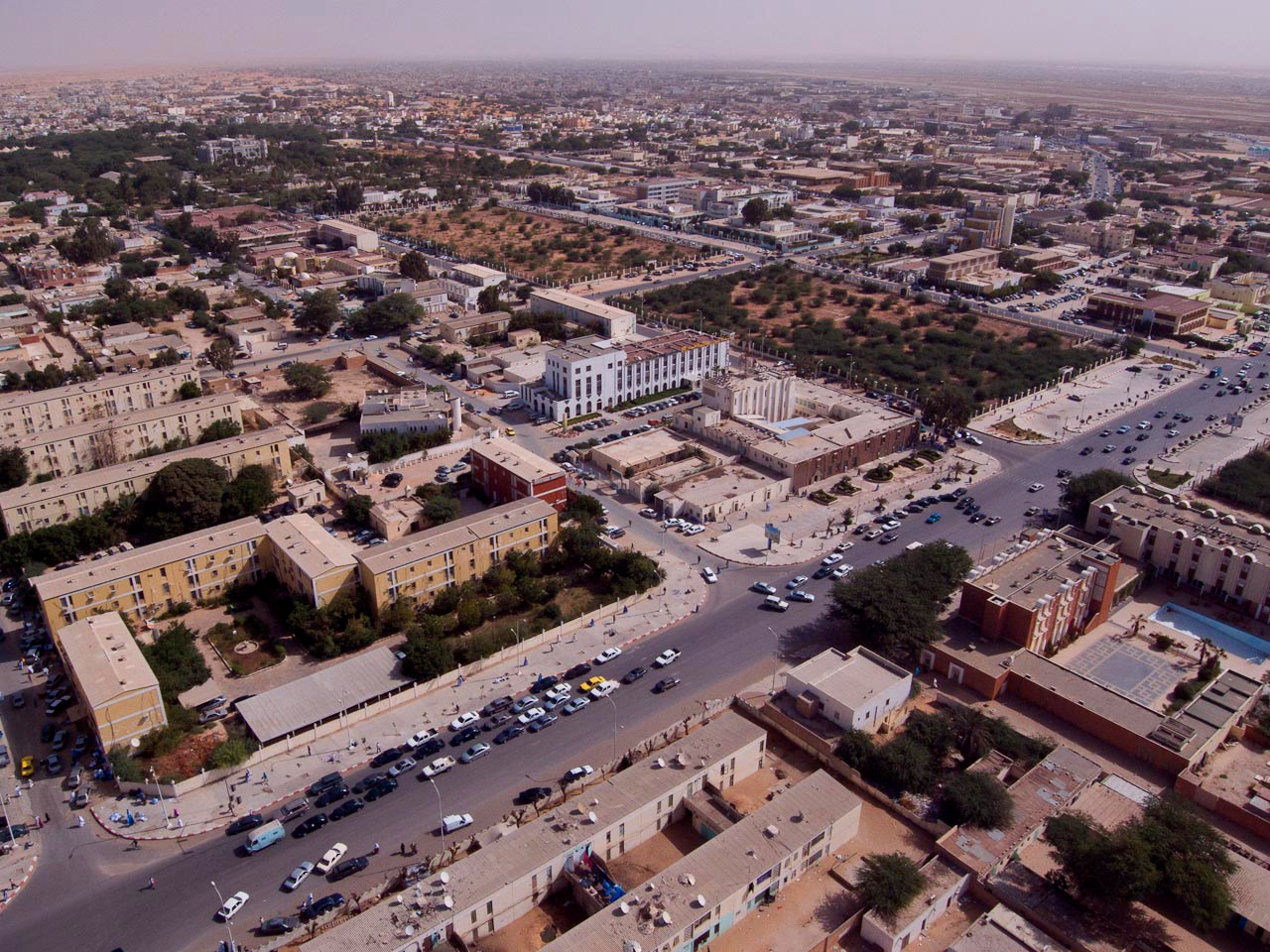
Hundreds of teachers rallied outside the Education Ministry in Nouakchott, the capital, on Thursday, French public radio RFI reported. The unions want higher salaries, better allowances and, for some members, payment of salary arrears.
Why Mauritania teachers pay demands keep returning
The rally was called by the Unified Union Coordination, a coalition of three of the country’s main teacher unions. Mauritania is a mostly desert nation of about 5 million people on Africa’s northwest Atlantic coast.
Abdoulaye Ndary Niang, who leads one of the unions, told RFI that teachers face very difficult conditions, above all on pay. “Every time, we hear speeches saying they will do something, but in the end we see nothing,” he said.
Amadou Tidiane Ba, a secondary-school union leader, said the unions also want allowances revalued and a long-awaited decree on union representation. Teachers complain that deals reached in earlier conciliation talks are being implemented slowly, and Ba did not rule out further action.
The grievances are long-running. In March 2021, teachers struck and more than 2,000 rallied near the presidential palace, RFI reported at the time.
One union leader said then that a secondary-school teacher earned about 10,000 ouguiyas a month (about US$250 at today’s rate). Sidaty Mohamed Dicko, head of the Alliance of Mauritanian Teachers (APM), said a decent wage would be at least US$1,200 a month.
In February 2022, five education unions held a week-long strike over basic pay and bonuses. In August 2025, 26 teacher unions warned they could strike over pay rises, housing and unpaid allowances.
The inflation backdrop behind the salary dispute
Mauritania’s consumer inflation averaged 1.5 percent in 2025, according to the World Bank. It has since climbed sharply, driven by food prices, disruption on the Mali border and costlier fuel since the Middle East war.
Data from ANSADE, the national statistics agency, show annual inflation at 8.9 percent in August 2026, up from 8.5 percent in July. The average over the past 12 months reached 5.6 percent.
The International Monetary Fund (IMF) said inflation rose from 4.1 percent in December 2025 to 7.6 percent in April 2026. The central bank raised its policy rate by half a percentage point in May in response.
Earlier this year, the World Bank projected average inflation of 4.8 percent for 2026, a level the 12-month average has already passed. For public-sector workers on fixed salaries, faster price rises cut purchasing power unless pay keeps pace.
What the government has offered so far
On 8 July 2026, the cabinet approved a decree on teachers’ pay. Civil-service teachers and school heads get a tax-free monthly chalk allowance of 6,500 ouguiyas (about US$162) for 12 months.
Contract teachers get a chalk allowance of 8,666 ouguiyas (about US$215) a month for nine months. Both groups also get a 1,000-ouguiya (about US$25) monthly pay rise, which for civil servants applies from 1 January 2026.
The payments go only to staff who teach at least 20 hours a week in primary schools or 12 in secondary schools. The chalk allowance is tied to classroom duties and is separate from base salary.
Dollar figures in this article use 40.24 ouguiyas per US dollar, the open.er-api.com rate on 25 September 2026. Union leaders told RFI that pay still lags behind inflation.
The fiscal and donor context
The salary dispute unfolds inside a budget squeezed by fuel and gas subsidies and a higher oil import bill. On 24 June 2026, the IMF approved new 42-month lending arrangements worth about US$95.8 million.
The IMF programme aims to consolidate economic stability, strengthen human capital and improve governance, including of state companies. Any further Mauritania teachers pay rise would have to fit the fiscal targets agreed with the Fund.
Mauritania’s fiscal rule, now law, anchors the budget on a 3.5 percent of GDP deficit, excluding mining and gas revenue and interest. Education spending is politically sensitive, so the government must balance union demands against these limits.
The strategic and regional read-through
Mauritania remains strategically relevant as a Sahel state balancing Gulf, European and Chinese economic interests. Stability at home matters for those external partnerships.
The IMF also cites instability in neighbouring Mali, refugee inflows and smuggling as pressures on prices and public services. How the government handles teacher pay will be watched beyond the education ministry.
For readers following the broader contest for influence across Africa, the salary dispute is a reminder that economic pressures shape political choices. The Rio Times tracks these dynamics in its Africa: The New Scramble pillar.
What to watch next
The immediate question is whether the unions escalate beyond Thursday’s rally. Ba said the protest “is only one step” and that others may follow.
The next monthly inflation reading from ANSADE will show whether price growth is easing. If prices keep rising near 9 percent a year, pressure for a broader salary revision will intensify.
Investors and professionals with exposure to Mauritania should watch public-sector wage policy as a signal of fiscal direction. The government’s next move will show how it balances social stability with budget discipline.
Frequently Asked Questions
What are Mauritania’s teacher unions demanding?
They want higher salaries, revalued allowances, payment of arrears for some teachers and a decree on union representation. Three main unions rallied outside the Education Ministry in Nouakchott on 24 September 2026.
How much do Mauritanian teachers earn?
In 2021, a union leader put a secondary teacher’s monthly pay at about 10,000 ouguiyas (about US$250 at today’s rate). A July 2026 decree added a 1,000-ouguiya (about US$25) raise and a 6,500-ouguiya (about US$162) monthly chalk allowance for classroom teachers.
What is the inflation outlook for Mauritania in 2026?
Annual inflation reached 8.9 percent in August 2026, according to ANSADE, the national statistics agency. Earlier this year, the World Bank projected a 4.8 percent average for 2026. By August, the 12-month average had already reached 5.6 percent.
Connected Coverage
Sources
- rfi.fr
- ami.mr
- saharamedias.net
- cridem.org
- renseignementeconomique.fr
- imf.org
- imf.org (Country Report 26/158)
- worldbank.org
- rmi-info.com
- wsws.org
- chezvlane.com
This article was produced by The Rio Times’ automated newsroom system. How we use AI · Report an error
LatAm Markets: Live Signals → — real-time movers, turnover leaders and FX across Latin America.
Read More from The Rio Times