Lula Faces Rising Disapproval Across Key Electoral Strongholds
Disapproval of Brazilian President Luiz Inácio Lula da Silva has surged in traditionally supportive states, according to a Genial/Quaest poll released on February 26, 2025.
The survey reveals significant shifts in public opinion. Disapproval rates exceed 60% in São Paulo, Minas Gerais, Rio de Janeiro, Paraná, Rio Grande do Sul, and Goiás.
These eight states represent 62% of Brazil’s electorate, highlighting the broad scope of the president’s declining approval. In Bahia, a historical stronghold for Lula and his Workers’ Party (PT), disapproval rose sharply from 33% in December to 51%, an 18-point increase.
Approval in the state dropped from 66% to 47%, with 2% of respondents undecided. Pernambuco showed a similar trend, with disapproval rising 17 points from 33% to 50%. Meanwhile, approval dropped from 65% to 49%, leaving 1% undecided.
The poll, conducted between February 19 and February 23, surveyed a total of 10,738 people across eight states. São Paulo had the largest sample size with 1,644 respondents and a margin of error of two percentage points.
Other states had margins of error of three points. Goiás, Paraná, and Pernambuco each had 1,104 respondents; Bahia had 1,200; Rio de Janeiro had 1,400; Rio Grande do Sul had 1,404; and Minas Gerais had 1,482. The poll maintains a confidence level of 95%.
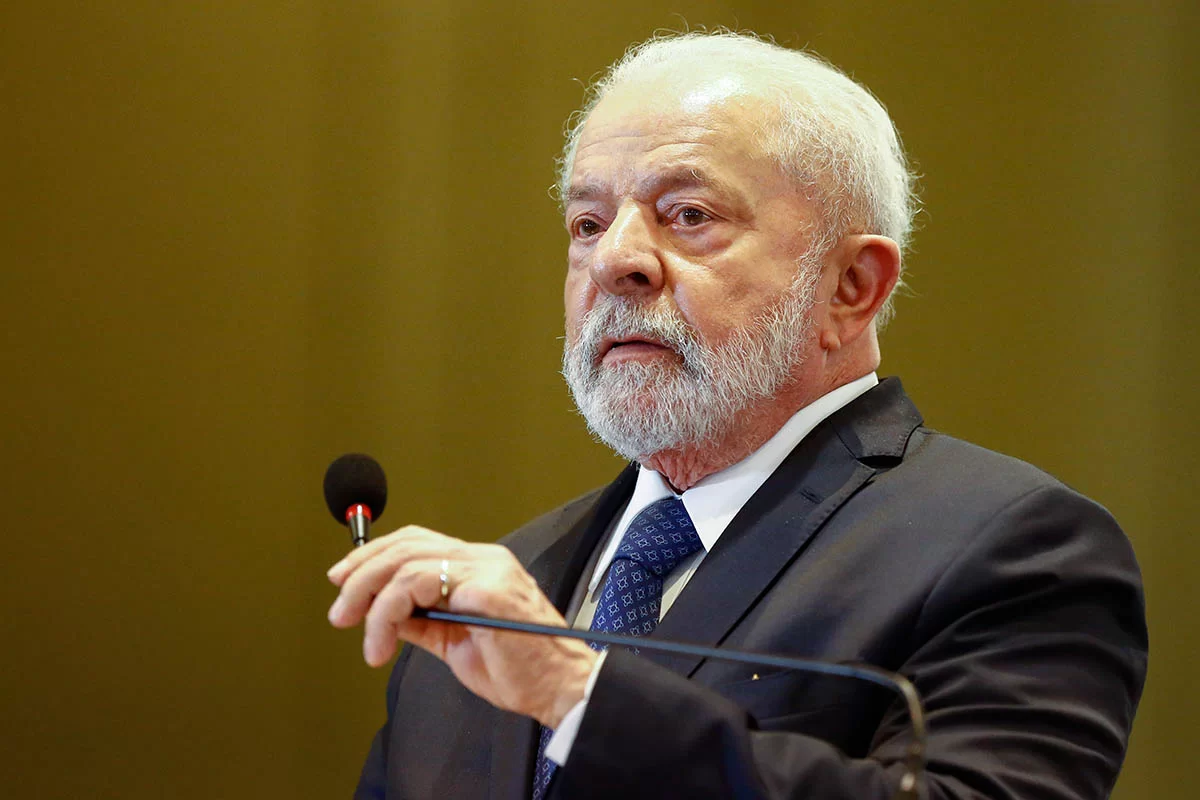
Lula Faces Declining Approval in Key Regions
Disapproval rates were particularly high in Goiás (70%), São Paulo (69%), Paraná (68%), Rio Grande do Sul (66%), Rio de Janeiro (64%), and Minas Gerais (63%). Approval rates remained low in these regions.
Rio de Janeiro and Minas Gerais recorded the highest approval at just 35%. They were followed by Rio Grande do Sul at 33%, Paraná at 30%, São Paulo at 29%, and Goiás at only 28%.
These figures mark a steep decline in Lula’s support. They highlight challenges in regions that have historically played pivotal roles in his electoral success.
The data underscores growing dissatisfaction across Brazil’s South, Southeast, and Midwest regions. This poses challenges for the president as he navigates his administration’s policies amidst shifting public sentiment.
More: Brazil news in English, every day from The Rio Times.
This article was produced by The Rio Times’ automated newsroom system. How we use AI · Report an error
Read More from The Rio Times