
Infrastructure
Key Facts
—The plan. Peru’s investment agency says Lima’s Metro Lines 3 and 4 could go to market in 2027.
—The model. They would use a new public-private partnership scheme, not a straight state build.
—The lines. Both will be underground, each crossing 13 districts of Lima and Callao.
—The reach. The two lines aim to serve well over seven million residents.
—The lesson. Officials want to avoid the delays that left Line 2 unfinished after a decade.
Lima Metro Lines 3 and 4 could finally move toward tender in 2027, a big step for one of Latin America’s most congested cities.
The signal came from ProInversión. That is Peru’s state agency for attracting private investment into public projects.
Its chief executive says the two lines could go to market in 2027. The agency has just signed a deal with the transport authority to start structuring them.
For a reader outside Peru, it helps to understand what “structuring” means here. It is the long, technical phase where engineers and financial advisers nail down the exact route, station locations, cost estimates, and the legal and financial blueprint that will be offered to bidders.
Without this step, no serious international consortium would commit.
What Lima Metro Lines 3 and 4 would deliver
Both lines are large and underground. Each would cross about 13 districts, weaving through the sprawling metropolitan area of Lima and Callao.
Line 3 runs north to south. It would link Comas in the north with San Juan de Miraflores in the south, over roughly 35 kilometres and 28 stations.
Line 4 runs the other way. It would connect the port city of Callao with the eastern districts, tying into the wider network at several points.
The time savings are the selling point. On Line 3, a trip that can take two and a half hours today would fall to under an hour.
To grasp why that matters, consider the geography. Lima is a coastal desert city squeezed between the Pacific Ocean and the Andes foothills.
Its population has spread far north and south along narrow valleys, creating extreme travel distances with few fast corridors. A reliable underground line changes the basic arithmetic of daily life for millions.
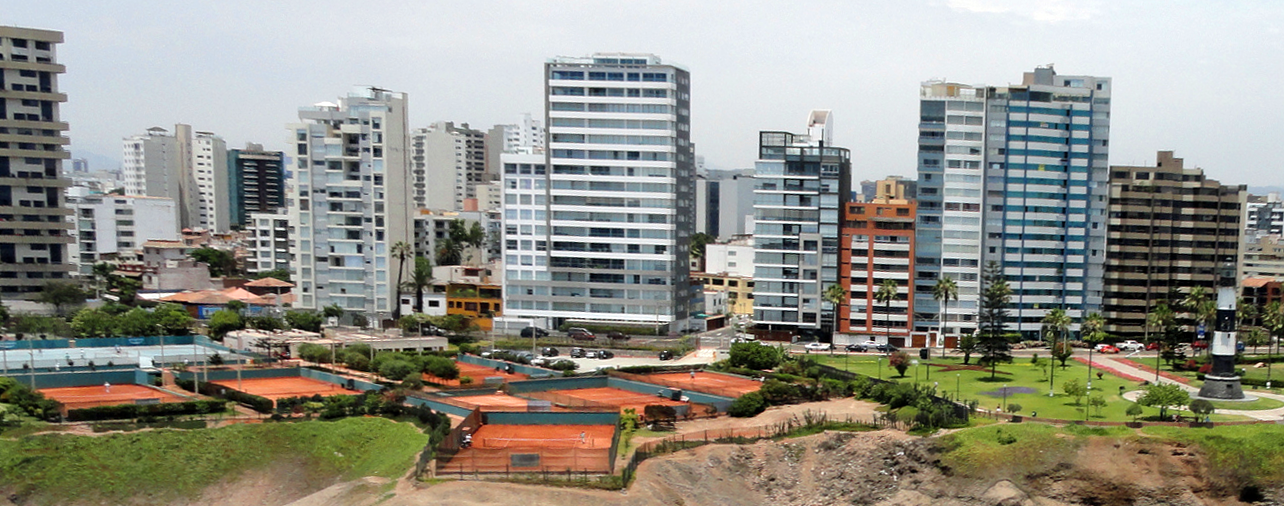
Why Lima Metro Lines 3 and 4 matter
Lima’s traffic is notorious. In a city of more than ten million people, commutes of two hours or more are common, draining time and productivity.
The new model is the real news. The lines would use an updated partnership scheme in which a private concessionaire finances construction and the state pays as they open.
This is a departure from older models where the state carried more upfront risk. In plain terms, the government pays for results—operational kilometres delivered—rather than for promises.
That shifts the incentive for the builder to finish on time.
Non-fare income is part of the plan. Officials want to tap the rise in land values around stations, so the project leans less on ticket revenue.
The idea, known internationally as land-value capture, works because a new metro station makes nearby property more valuable. If the public sector can claim a share of that uplift, it can help pay for the line itself.
It is a tool used in cities from Hong Kong to London, though it requires a legal framework that Peru is still shaping.
For a foreign investor, the read is opportunity with caution. A big tender is coming, but Peru’s record on delays and disputes is a real risk.
The cautionary tale is Line 2. Under construction for more than a decade, it has become a byword for how badly such projects can stall.
Officials say they have learned from it. Because the new lines are already heavily studied, they argue the biggest remaining risk is freeing up land.
Land acquisition is the recurring trap. Peru’s big projects often bog down when the state must clear thousands of plots along a route.
The process is slow not just because of bureaucracy, but because ownership records can be unclear and compensation disputes frequent. Until that land is secured, even the best-financed consortium cannot move a shovel.
The lines would knit the network together. They are designed to connect with the existing metro, the Metropolitano bus system and feeder corridors.
Timelines still stretch out. Even on an optimistic path, the first stretches are not expected to open until the early 2030s.
Foreign builders are circling. Canadian and other international groups have signalled interest in bidding once the tender is formally launched.
There are legal changes to make first. The financing plan needs tweaks to two laws so the state can capture land-value gains around stations.
Politics adds uncertainty too. Peru heads into a change of government, and big projects often stall or shift when a new administration takes over.
For now, the direction is forward. After years of talk, the two lines have a concrete next step and, for the first time, a plausible date to reach the market.
What to watch next is whether the legal reforms pass before the political calendar tightens. Another open question is how the government handles the land-acquisition phase differently this time, and whether the early interest from international builders translates into formal bids once the tender documents are published.
The answers will determine if 2027 marks a genuine start or another false dawn for Lima’s commuters.
More: Peru news in English, every day from The Rio Times.
Frequently Asked Questions
When will Lima Metro Lines 3 and 4 be tendered?
Peru’s investment agency says the two lines could go to market in 2027, after a phase of financial and technical structuring. That timeline follows a new agreement between the agency and the city’s transport authority to prepare the projects.
How will they be financed?
They would use an updated public-private partnership model, in which a private concessionaire finances construction and the state pays as the lines enter service. Officials also plan to draw on non-fare income, such as rising land values around stations.
Why does the project matter for Lima?
Lima is one of Latin America’s most congested cities, with commutes that can exceed two hours. The two underground lines would connect the north, south, east and the port of Callao, cutting long journeys to under an hour and serving millions of residents.
This article was produced by The Rio Times’ automated newsroom system. How we use AI · Report an error · Editorial responsibility: Matthias Camenzind, Editor-in-Chief
Living in or visiting Lima? See this month's events and our Lima city guide with rents, safety and upcoming concerts.