Latin America’s Pivotal Role in Renewable Energy Shift
In 2023, Latin America excels in the global shift to renewable energy, boasting resources from hydroelectric power to critical minerals.
This diversity positions it as a key player in renewable energy generation.
The International Energy Agency (IEA) identifies the region’s potential for bioenergy, solar, and wind resources.
These could meet its total energy demand with renewables by 2030. Currently, Latin America boasts one of the cleanest electricity sectors globally.
Renewables, led by hydroelectric power, generate 60% of its electricity. This is notably double the global average.
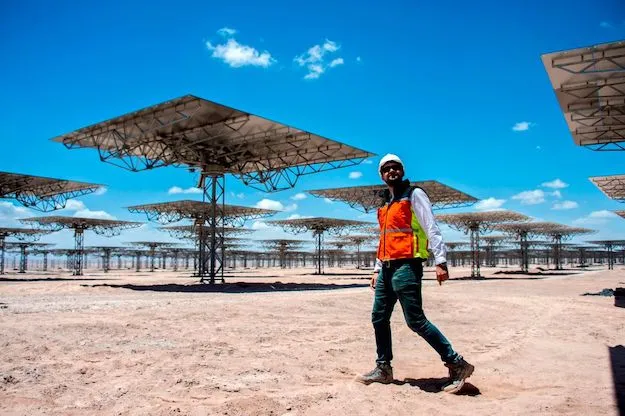
Countries like Brazil, Mexico, Chile, and Argentina house some of the best wind and solar resources worldwide.
However, meeting carbon emission reduction goals requires substantial investment.
Financing for clean energy projects must double by 2030 to $150 billion and increase fivefold by 2050.
Fatih Birol, IEA’s Executive Director, highlights the region’s advantageous position.
Leveraging these energy transitions would boost local economies and stabilize the global energy system.
Despite net-zero emissions commitments by 16 regional countries, fossil fuels will continue to dominate, especially in transportation.
Renewable energy can meet all new demand this decade, potentially increasing oil exports.
Renewable Heaven
The region’s renewable resources could drive low-cost, low-emission hydrogen production. This advancement would aid in decarbonizing industries and transportation.
Additionally, biofuel production and revenues from critical minerals like lithium are poised to double, surpassing fossil fuel revenues.
Oil and natural gas have dominated the region’s energy mix for over five decades. Key resources from countries like Brazil and Mexico are crucial for the energy transition.
The Argentina-Bolivia-Chile lithium triangle is vital for electric vehicle mobility.
Latin America’s vast renewable resources mean it could become an important low-emission hydrogen producer by 2050.
Lastly, clean energy investments should also focus on agriculture and land use, significant contributors to the region’s greenhouse gas emissions.
More: Latin America news in English, every day from The Rio Times.
This article was drafted with automated assistance and reviewed before publication. How we use AI · Report an error
Read More from The Rio Times