Kenya Protest Victims Demand More Than Money
Kenya’s compensation panel says payouts are only part of the answer. Victims in Nairobi press for accountability, and the panel points to a draft protest law meant to prevent a repeat.

Politics: Kenya
Victims of Kenya’s protest violence told a government compensation panel in Nairobi on Friday 27 November 2026 that money alone is not enough, and asked for justice and accountability. The Panel of Experts on Compensation of Victims of Human Rights Violations, which pays people harmed in demonstrations and public protests, held the meeting for the Nairobi region.
The panel, chaired by Professor Makau Mutua, a law scholar, said compensation should be part of a broader process of redress, recognition and national healing. For readers abroad, the meeting shows that Kenya’s protest policing and rights record is still unsettled even as payouts continue.
Key Facts
- Who. Victims from the Nairobi region met the compensation panel, chaired by Professor Makau Mutua, a law scholar.
- What. Victims asked for justice beyond payouts, and the panel said compensation is one part of wider redress.
- Numbers. 1,476 claims processed, 236 of them deaths, with compensation totalling 1.2 billion Kenyan shillings (US$9.2 million).
- As of. 27 November 2026, 19:45 GMT.
Kenya’s compensation panel says payouts are only part of the answer. Victims in Nairobi press for accountability, and the panel points to a draft protest law meant to prevent a repeat.
The panel was set up to pay people harmed in demonstrations and public protests, and it pays in phases. On 5 November the panel approved Sh96.95 million (Kenyan shillings; about US$745,000) for 157 people in Phase VII, its seventh round, and the window for new claims closed on Saturday 14 November 2026.
On Friday the panel said that since its establishment it has processed 1,476 claims, including 236 fatalities, with compensation totalling slightly more than Sh1.2 billion (about US$9.2 million). Conversions in this article use the market rate of Sh130.10 per US dollar at the close on 27 November 2026.
On 15 September 2026 the panel said it had paid Sh1.014 billion (about US$7.8 million) to 1,083 verified victims plus 100 uniformed officers. The panel’s figures come from different statements and dates.
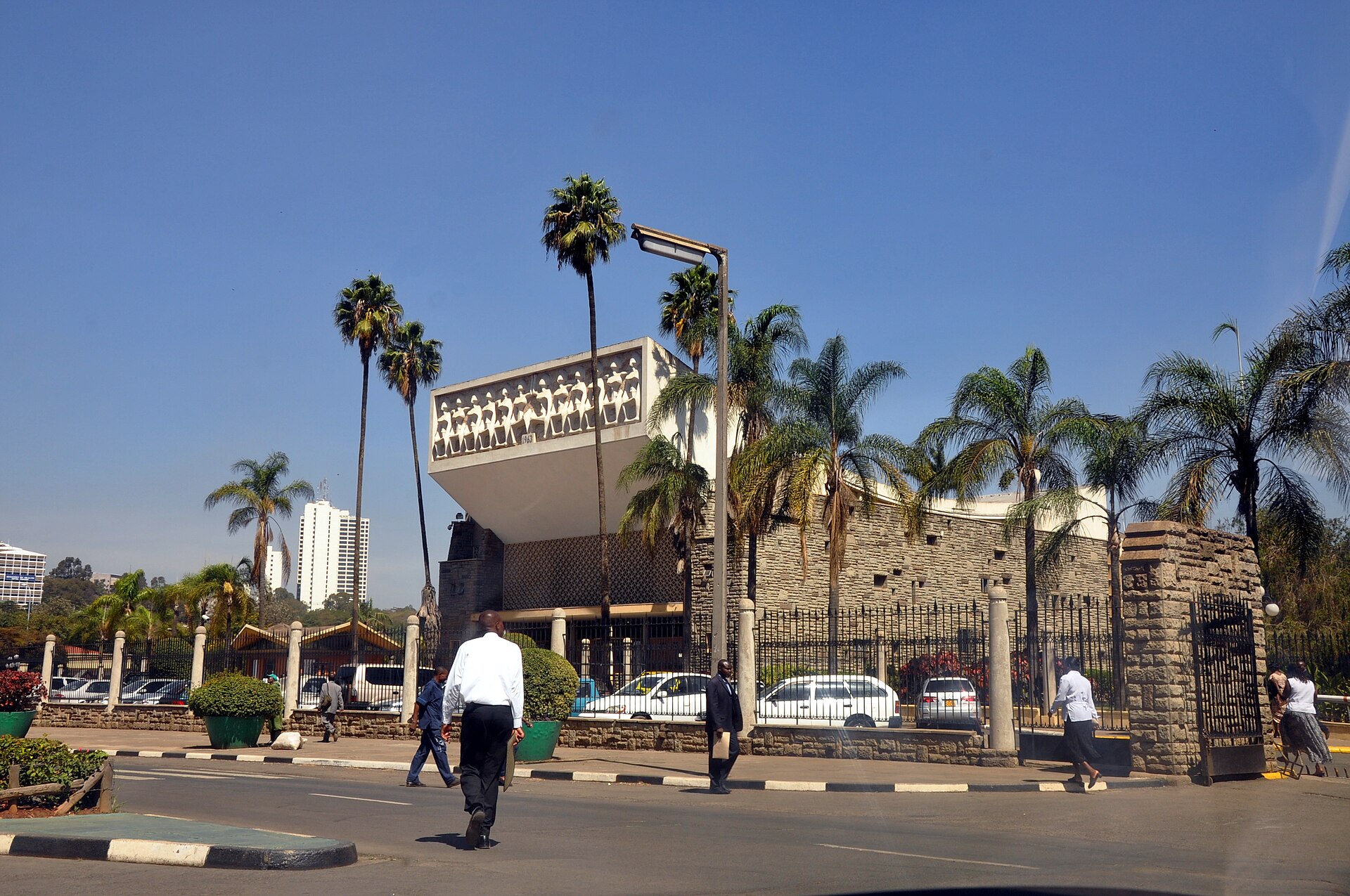
The victims demanded justice and accountability beyond financial compensation, and urged the government to address the circumstances in which the violations happened, according to the panel’s account of the meeting. The panel acknowledged the demands and said justice, accountability and comprehensive reparations remain central to its work.
It added that apologies form part of the National Healing and Reconciliation process, a state programme meant to restore public trust. The panel’s account quotes no individual victim.
The Independent Policing Oversight Authority (IPOA, the police watchdog) and the Kenya National Commission on Human Rights (KNCHR, a state rights body) attended, with National Government Administration Officers (officials who represent the national government locally), civil society and the National Police Service. IPOA reaffirmed its commitment to independent policing and accountability, and KNCHR pledged continued support for a victim-centred approach.
The panel highlighted the proposed Facilitation of Assembly, Picketing and Demonstration Bill, 2026, which it says was drafted with victims. The bill would put into effect Article 37 of the Constitution, which protects the right to assemble, demonstrate, picket and petition peacefully and unarmed, so that the violence is not repeated.
The bill is described as a draft written under a multi-stakeholder process that includes victims. Its stage in Parliament was not stated.
The panel will hold further regional meetings from Monday 30 November to Friday 4 December 2026 in the Nyanza, Central and Western regions. The panel promised that no eligible claimant would be left behind.
Frequently Asked Questions
What did the victims ask for in Nairobi?
They asked for justice and accountability, not only payments, and for the government to deal with the causes of the violations. The panel said it agrees these remain central.
Is compensation the panel’s only task?
No. The panel says justice, accountability and comprehensive reparations remain central, and compensation is one part of a broader process of redress, recognition and national healing.
Where does the panel meet victims next?
It will meet victims in the Nyanza, Central and Western regions after Nairobi. The panel announced the schedule on Friday.
Sources
Published Friday 27 November 2026 · Source: Panel of Experts on Compensation of Victims of Human Rights Violations, account of the Nairobi victims’ meeting of 27 November 2026 · Kenya National Commission on Human Rights · Independent Policing Oversight Authority
More: Kenya news
Further reading: Kenya Protest Victims Have Until Saturday
This article was produced by The Rio Times’ automated AI newsroom. Editorial responsibility: Matthias Camenzind, Publisher and Editor-in-Chief. The Rio Times also runs Ask Rio Times, which answers from 100,000+ of our own articles, the daily Latin America Power Map, and prediction-market odds on elections and markets.. How we use AI · Report an error