Influencer’s Death in Ivory Coast Exposes Deep Geopolitical Fault Lines and Economic Risks in West Africa
(Analysis) The unexpected death of Alain Christophe Traoré, popularly known as Alino Faso, a prominent Burkinabè influencer and vocal supporter of Burkina Faso’s military junta, occurred in an Ivorian detention cell on July 24, 2025.
It has brought severe geopolitical tensions and economic uncertainties in West Africa. Ivory Coast prosecutor Oumar Braman Koné reported that Traoré took his own life by hanging himself with a bedsheet, after an unsuccessful wrist-slashing attempt.
Alino Faso had been imprisoned in Abidjan since January 10, 2025, charged with espionage and conspiracy against Ivory Coast. The charges stemmed from allegations of collaboration with “foreign state agents” intending to harm Ivory Coast’s security interests.

Crucially, Traoré was deeply involved with the influential Burkinabè digital activist group, “Les Bataillons de Communication d’Intervention Rapide” (BIR-C), a known supporter of Burkina Faso’s military leadership under Captain Ibrahim Traoré.
The group’s aggressive online activism included severe criticism of Ivory Coast’s government, intensifying Abidjan’s concerns over security threats and foreign influence.
Burkina Faso swiftly rejected Ivory Coast’s explanation of Traoré’s death, publicly dismissing the suicide account as highly suspicious and labeling it as “tantamount to murder.”
The Burkinabè government criticized Traoré’s prolonged detention without trial at a military facility, calling for an immediate, transparent international investigation and demanding the return of his remains for independent autopsy.
The lack of initial official notification to Burkinabè authorities further intensified suspicions and fueled public outrage across Burkina Faso.
Geopolitical Shift and Regional Alliances
Underlying these tensions is a significant shift in regional alliances, illustrating broader geopolitical competition and economic ramifications.
Since the September 2022 coup led by Captain Ibrahim Traoré, Burkina Faso has notably distanced itself from Western alliances, particularly France, aligning instead with Russia, Mali, and Niger under the Alliance of Sahel States.
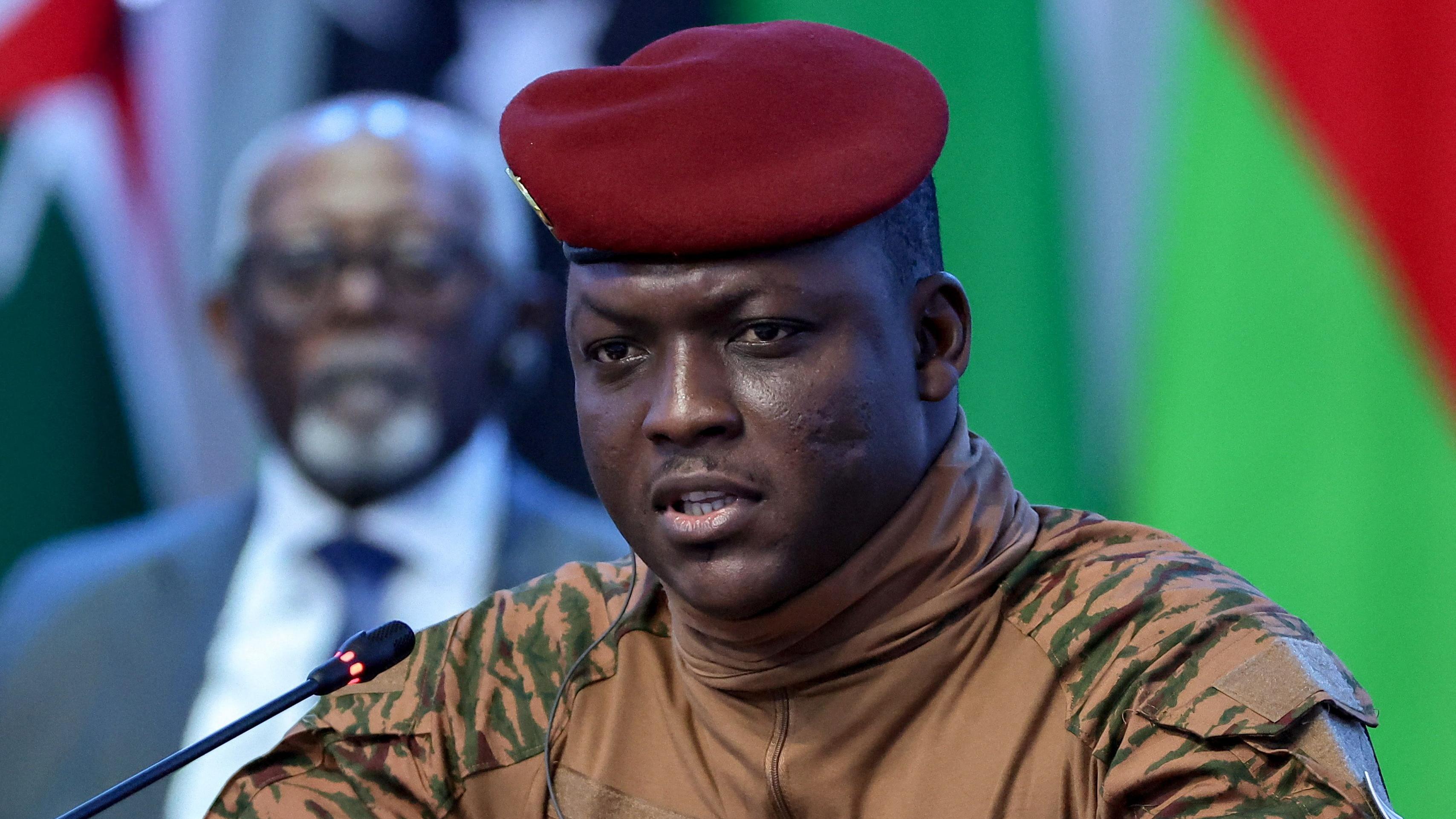
Conversely, Ivory Coast under President Alassane Ouattara maintains robust diplomatic and economic ties with France and actively backs the regional bloc ECOWAS’s efforts to isolate Sahelian military governments.
This political split represents more than diplomatic rivalry; it carries substantial economic and commercial implications. Businesses in the region now face heightened uncertainty regarding trade relations, security conditions, and investment stability.
Increased border controls, intensified online propaganda campaigns, and potential disruption of regional economic integration mechanisms directly threaten commercial interests and investor confidence.
Implications for Regional Stability
Thus, Traoré’s controversial death highlights a deepening geopolitical divide and growing risk of regional instability, underscoring the crucial interconnectedness between politics, security, and economic stability.

The international community, particularly business stakeholders, must closely monitor these developments to anticipate and mitigate emerging economic and political risks in West Africa.
This article was produced by The Rio Times’ automated newsroom system. How we use AI · Report an error · Editorial responsibility: Matthias Camenzind, Editor-in-Chief
Part of our ongoing coverage
Africa: The New Scramble — the great-power contest over the continent.