Healing Divisions: Spain Passes Amnesty for Catalan Leaders
On May 30, the Spanish Parliament took a decisive step by approving an amnesty law for hundreds of Catalan separatists.
This action signals a crucial moment in Spain’s battle with regional tensions and its pursuit of national unity.
The law specifically addresses individuals involved in Catalonia’s failed 2017 secession bid—a bold quest for independence that triggered broad controversy and legal consequences.
It was crucial for the re-election of Socialist Prime Minister Pedro Sánchez, and faces opposition.
Among those affected is Carles Puigdemont, the exiled former Catalan president who spearheaded the movement from Belgium.
With a close vote of 177 to 172, the decision revealed deep divisions within the legislative body.
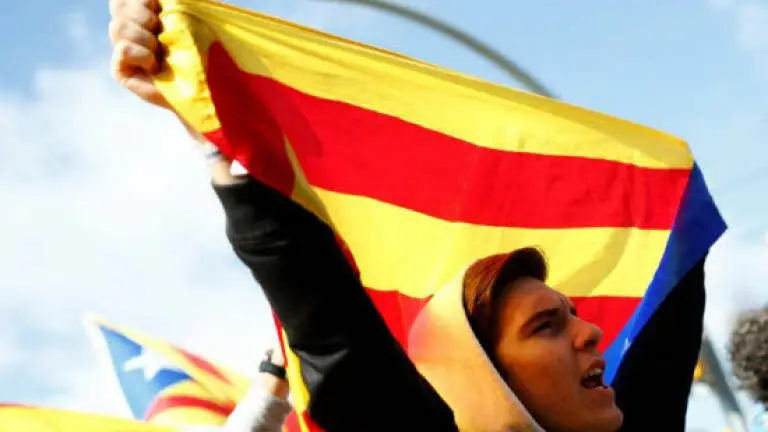
Spain’s left-wing coalition government backed the law, supported by two Catalan separatist parties and various smaller groups.
In contrast, the conservative People’s Party and the right-wing Vox party strongly opposed it. This law will aid Puigdemont and hundreds of others.
It will help former Catalan government officials, protestors, and some police officers involved in the crackdown on the unlawful referendum.
Yet, this amnesty is far from a simple solution. Anticipated legal challenges and judicial reviews could test its validity.
Critics contend that it may violate the principle of equal treatment under the law by favoring a particular group.
Since taking office in 2018, Prime Minister Pedro Sánchez has focused on easing tensions in Catalonia, deeming the amnesty crucial for mending the regional divide.
Background
The 2017 Catalan independence attempt deepened national divisions in Spain. This attempt led to significant unrest.
After the unauthorized referendum, the Spanish government imposed direct rule over Catalonia. This action exacerbated tensions.
The amnesty law aims to address legal repercussions for those involved, including former officials and protestors.
Catalonia’s strong regional identity often conflicts with the broader Spanish identity. This conflict fuels desires for independence.
Prime Minister Pedro Sánchez’s support for the amnesty signals a shift towards dialogue.
Spain hopes to foster inclusive national dialogue. They aim to set a precedent for resolving regional disputes.
This article was produced by The Rio Times’ automated newsroom system. How we use AI · Report an error
Read More from The Rio Times