
GABON · ENERGY
Key Facts
- —The country Gabon, a Central African oil producer and OPEC member, has about 2.6 million people, slightly more than Houston.
- —The background Rolling power cuts have repeatedly hit the capital, Libreville, where the state utility SEEG cannot keep up with demand.
- —Why now President Brice Clotaire Oligui Nguema, elected in April 2025, has called for faster work on the capital’s new power plant.
- —What happened Four lenders, one of them a US agency, finished assessing the 124-megawatt Orinko plant on Friday, 2 October, Gabonreview reported.
- —The numbers The review is meant to secure about 122 billion CFA francs (about US$209 million) from the lenders.
- —What it means for you A US federal lender may help fund the plant, and Houston-based VAALCO Energy already pumps oil offshore Gabon.
- —Still open No lender has published a loan decision or amount, and the plant’s gas supply has not been detailed.
A gas-fired plant meant to ease Libreville’s power cuts has completed its lenders’ review, but no loan has been signed.
Four development lenders, including a US government agency, have finished assessing a 124-megawatt gas power plant near Libreville, Gabon’s capital. The review ended on Friday, 2 October, opening the way to raise about 122 billion CFA francs (about US$209 million), Gabonreview reported.
The Orinko plant is meant to ease the rolling power cuts that have disrupted homes and businesses in the capital. The US International Development Finance Corporation (DFC), Washington’s development lender, is among the prospective financiers.
Who Is Behind the Orinko Plant
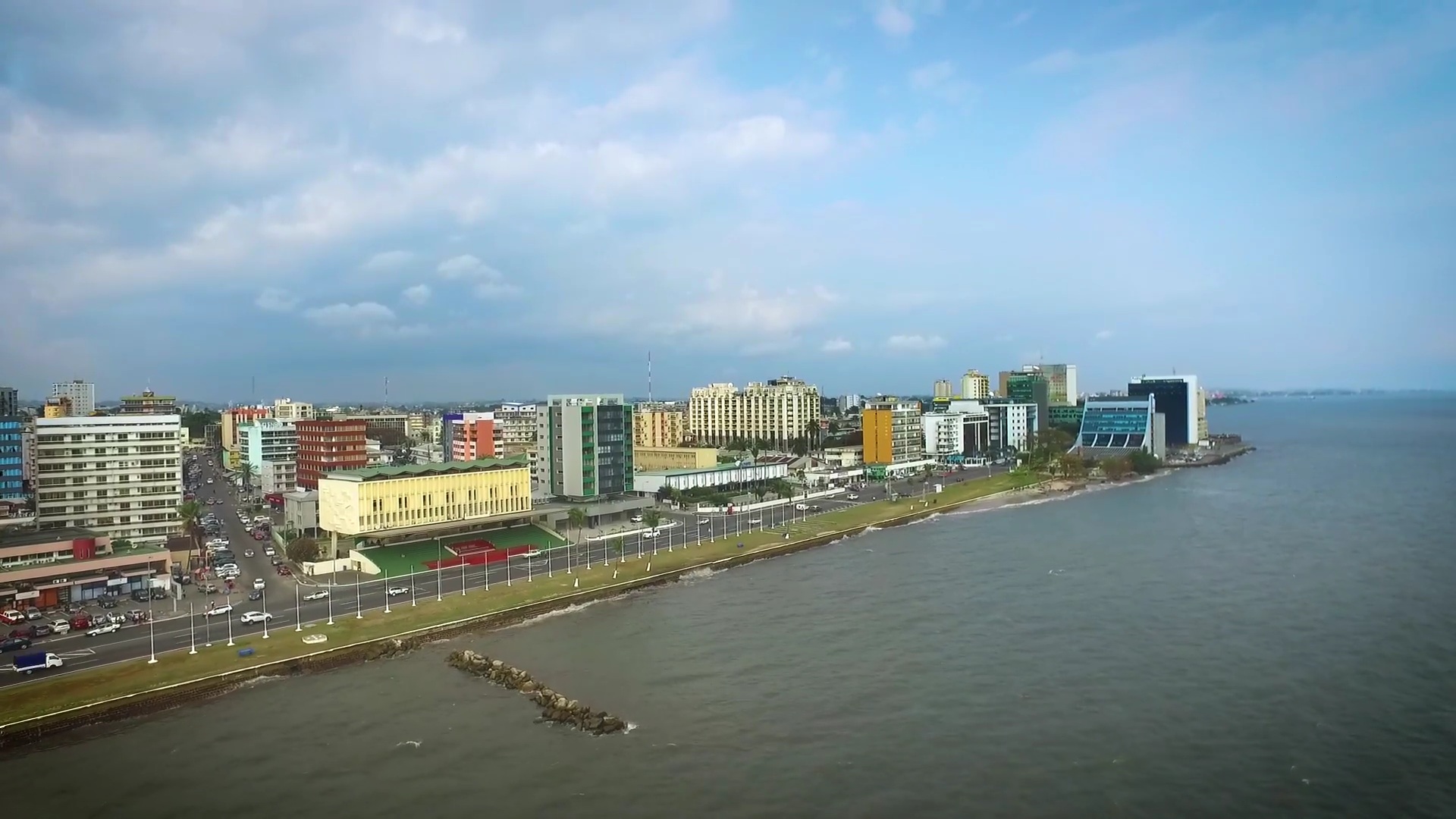
The plant is planned at Owendo, a port suburb just south of Libreville in Estuaire province. It will run 13 gas engines from Finland’s Wärtsilä, according to Gabonreview, a Libreville news site.
The project company, Orinko SA, is 40% owned by Gabon Power Company, a unit of the Gabonese Strategic Investment Fund. Africa50, a pan-African infrastructure investor owned mostly by African governments, holds 33.8%.
Melec PowerGen, an Africa-focused power developer, has 21.2%, and a Wärtsilä investment arm has 5%. The partners announced that structure in May 2025, Africa50 said.
Between Monday, 28 September and Friday, 2 October, about 20 lender representatives met officials in Libreville. They came from the International Finance Corporation, the African Development Bank, the Development Bank of Southern Africa and the DFC.
The International Finance Corporation is the World Bank’s private-sector arm. The Development Bank of Southern Africa is a South African state lender.
The African Development Bank is a multilateral lender based in Abidjan, owned by African and other governments.
Gabonreview said the mission closed a long due diligence process, the checks lenders run before they commit money. It covered technical, environmental, legal and financial questions.
The delegation met Philippe Tonangoye, Gabon’s Minister of Universal Access to Water and Energy. It also held talks with the energy, economy, oil and gas, and planning ministries, SEEG, the IMF and the regional central bank.
What the Money Would Buy
Gabonreview said the 122 billion CFA francs (about US$209 million) is to come from the lenders’ private-sector arms. Conversions use exchange rates of 5 October 2026.
The lender money alone equals roughly US$1.7 million per megawatt of capacity. In July 2025 Gabonreview put the cost above 100 billion CFA francs (about US$172 million), with lenders covering about 75%.
At the time, a 125-megawatt design was expected to produce about 1,000 gigawatt-hours a year, Gabonreview reported. That is roughly what 90,000 average US homes use in a year.
Wärtsilä said in 2021, when it signed the original concession, that about 600,000 people would benefit. That plan included a 15-year operation and maintenance deal for Wärtsilä and 15 years of power sales to SEEG.
The project is expected to create more than 300 direct jobs, with priority for local workers. Gabonreview said site clearing, resettlement of affected residents and earthworks are already under way.
A Capital Short of Power
SEEG, the state-owned water and electricity company, has struggled to supply Greater Libreville without cuts. In February 2026, after the president met the investors, Gabonreview reported the plant should ease load-shedding from 2028.
Load-shedding means planned rolling cuts that ration scarce supply between districts. As a stopgap, Gabon hired Turkey’s Karpowership in August 2025 for 70 megawatts from a floating power ship, Agence Ecofin reported.
President Brice Clotaire Oligui Nguema led the August 2023 coup that ended the Bongo family’s 56 years in power. He won the presidential election of 12 April 2025, and the Constitutional Court confirmed the result.
Gabon lives largely on oil and belongs to OPEC, the oil exporters’ group. Its crude is sold in US dollars, so world oil prices shape what it can spend on power.
What It Means for US Readers
The DFC lends to and insures private projects in developing countries on behalf of the US government. Its role in Orinko comes from Gabonreview; the agency has not published its own statement.
Houston-based VAALCO Energy, listed on the New York Stock Exchange, produces oil from the Etame Marin block offshore Gabon. Its filings show it began a new drilling programme there in late 2025.
The plant’s engines come from Finland’s Wärtsilä, not a US supplier. For US travellers and businesses in Libreville, power cuts remain a practical concern until new capacity arrives.
What Is Not Known
None of the four lenders has published a statement on the mission or the size of its loan. Gabonreview did not give a date for financial close, the moment the money is formally committed.
The plant’s gas supply has not been detailed, although the delegation discussed gas availability in Libreville. Capacity figures have also shifted: Gabonreview reported 225 megawatts in February 2026 but now gives 124 megawatts.
Gabonreview did not give the plant’s total cost, only the 122 billion CFA francs (about US$209 million) sought from lenders. A 2023 target to start operating in 2024 has already been missed.
What Comes Next
The next steps would be loan approvals by each lender’s board and then financial close. Gabonreview reported in February 2026 that the plant was due to start operating in 2028.
The end of the review does not mean the loans are signed. Nor does it mean Libreville’s power cuts will end soon.
Frequently Asked Questions
Where is Gabon?
Gabon lies on the Atlantic coast of Central Africa, bordering Cameroon, Equatorial Guinea and the Republic of the Congo. Most of the country is rainforest, and its capital is Libreville.
What is the DFC?
The US International Development Finance Corporation is a federal agency that lends to and insures private projects in developing countries. It began work in 2019, absorbing the older Overseas Private Investment Corporation.
Why does an oil producer have power cuts?
Gabon exports most of its crude, and its power plants and grid have not kept pace with demand around Libreville. New plants take years to build and usually need outside financing.
What currency does Gabon use?
Gabon uses the Central African CFA franc, which is pegged to the euro and worth about US$0.0017. On 5 October 2026 one US dollar bought 583.03 CFA francs, so 122 billion equals about US$209 million.
Is the plant already being built?
Preparatory works such as site clearing and earthworks are under way at Owendo. The full financing, however, has not yet been signed.
Sources: Africa50, shareholder agreement (May 2025); Wärtsilä, concession agreement (2021); VAALCO Energy, first-quarter 2026 results (SEC); World Bank, population data; Agence Gabonaise de Presse, IPP Owendo; Agence Gabonaise de Presse, power purchase agreement; Gabonreview, lenders’ mission; Gabonreview, July 2025; Gabonreview, February 2026; Gabonreview, election result; Agence Ecofin (all accessed 6 October 2026).
Editorial responsibility: Matthias Camenzind, Editor-in-Chief · Editorial standards · Report an error