Europe Intelligence Brief — Monday, November 23, 2026
Executive Summary
Europe Intelligence Brief for November 23: Europe shut out of the Shenzhen talks, Estonia's border closure and Spain's vote on 29 November.
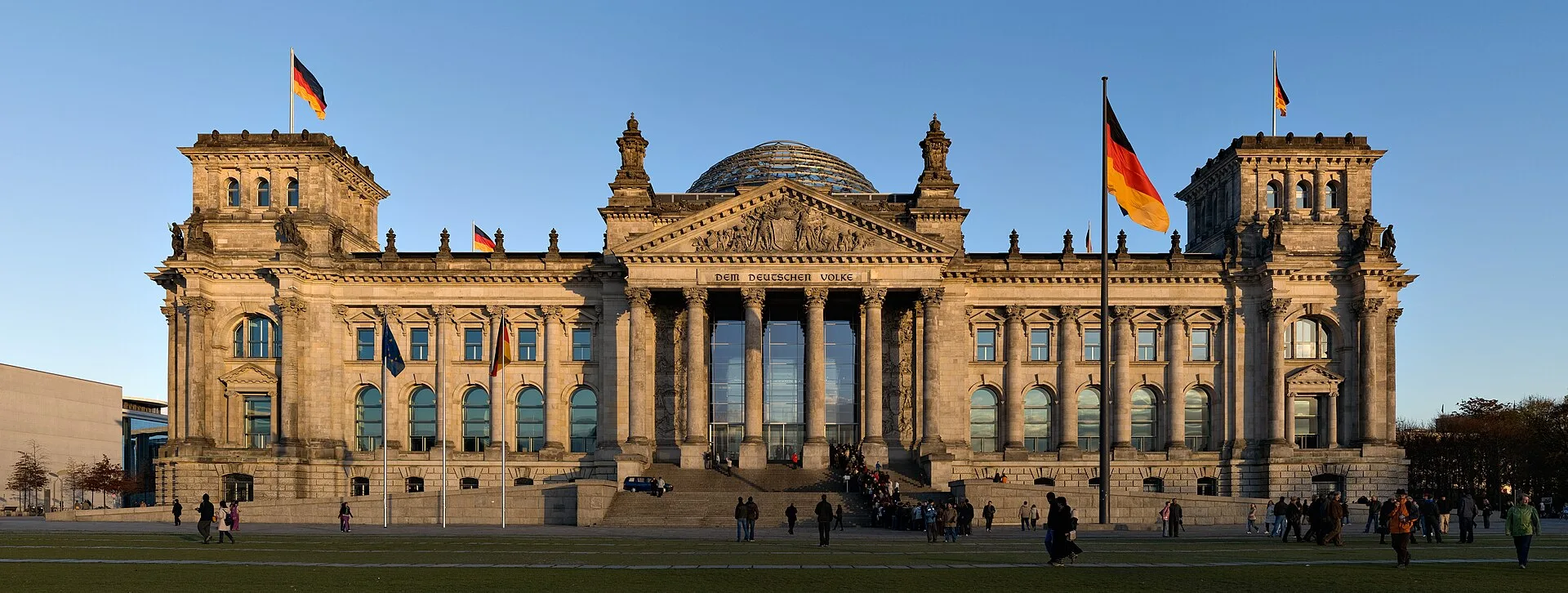
Europe starts this Monday feeling like a host who learned that the big decisions about its own house were taken in another country. Anger at being left out sits beside the daily fear of a war that still reaches Kyiv’s apartment blocks at night.
The register is defiant but unsteady: leaders talk of an independent European line while voters talk of wages, leaks and borders. In Madrid, Paris and Lisbon the mood is less about grand strategy than about who can be trusted.
The through-line is that Europe is being asked to defend itself and pay for it while others decide its future. Each country answers in its own way, with a border closed, a ballot, a march or a rejection.
Key Facts
Shenzhen. The US, Russia and China met on 19 November; their statement never named Ukraine.
Berlin. European leaders rejected a Yalta-style deal on 19 November; Chancellor Merz said it cannot bring peace.
Estonia. Tallinn will close its border crossings with Russia from 1 December.
Spain. Polls put the conservative PP ahead of the Socialists before the 29 November vote.
Portugal. The CGTP union federation held a national march in Lisbon on 21 November over wages and pensions.
Brussels And Berlin: The Fear Of A Yalta Deal
When the United States, Russia and China met in Shenzhen on 19 November, their joint “Declaration Toward Peace” did not mention Ukraine at all. For Europeans the omission stung, because the continent pays for much of Ukraine’s defence and will live with whatever peace follows.
European leaders meeting in Berlin on the same day, in the group of countries backing Ukraine known as the Coalition of the Willing, rejected any new Yalta. The name recalls the 1945 conference at which the great powers divided Europe, and German Chancellor Friedrich Merz said such a format cannot produce peace.
Ukrainian President Volodymyr Zelensky, standing beside Merz, said Europe has to be included in future talks. Donald Trump joined the Berlin meeting by phone and said he believes Vladimir Putin wants a deal, which left Europeans hearing hope from Washington and silence from Moscow.
Kyiv: Left Out Of The Room
Ukraine was left out of the Shenzhen declaration, which did not mention the country at all. For Kyiv the test is whether talk of peace will include Ukrainians.
The mood in Ukraine is of exhausted vigilance, while diplomats elsewhere draft statements about the war’s future. Zelensky said on 19 November that Europe has to be included in future talks.
What is not known is whether the Shenzhen meeting changes Russia’s calculation or only its tone. For Ukrainians the test is whether talk of peace is followed by real security.
Tallinn: A Border Closed Against Sabotage
Estonia’s foreign minister, Margus Tsahkna, announced that the country will close its border crossings with Russia from 1 December. He tied the decision to an alleged arson plot against the drone maker Threod Systems, which Estonia blames on Russian military intelligence, the GRU.
Estonians who are on the Russian side get two weeks to return before the gates close, according to press reports. The closure takes effect on Tuesday 1 December.
The mood on the Baltic coast is of calm hardening, with a small country choosing a clear line over a comfortable one. The closure follows the alleged arson plot against Threod Systems.
Madrid: A Week Before The Vote
Spain votes on Sunday 29 November, and polls put the conservative People’s Party (PP) ahead of the Socialists (PSOE). Three polls published on 16 November suggest a right-wing coalition could reach a majority, which is the question every Spanish conversation circles back to.
The mood is polarised and tired, with voters weighing who will manage prices, housing and migration. Prime Minister Pedro Sánchez leads the Socialists, whom the polls put behind the PP.
A change of government in Madrid would be read across the Atlantic as well. Spain is home to several million Latin American-born residents, and its policy toward the region is made in the same capital.
Paris And Lisbon: Distrust On Two Fronts
In France, a senior interior ministry official is suspected of leaking details of investigations into Marine Le Pen’s National Rally to the party, and the interior minister has summoned him. The affair feeds the distrust of institutions that runs through the week.
In Lisbon, the CGTP trade union federation held a national march on Saturday 21 November to demand higher wages and better pensions before the parliamentary budget vote. Parliament holds the final vote on the 2027 budget on Tuesday 24 November.
In both countries the question is who can be trusted. The lesson from the two scenes is that trust in institutions is wearing thin, and the leaders who can show results will have the advantage.
What This Means From Latin America
Latin American readers know what it is to watch great powers decide a region’s future in rooms it was not invited to. The Shenzhen meeting will sharpen the question in Brasília and Mexico City of how far to lean on any single partner.
Spain’s vote matters here too, because a new Madrid government would reshape its approach to Latin American trade and migration. For investors in the United States, a split West and an unsteady Europe are another reason to watch where capital and energy supplies flow.
What We Are Watching
- Monday, 23 November, 4:00 a.m. ET: Eurozone flash PMI: The business survey for November has a forecast of 51.9 for the composite reading. It shows whether firms feel the squeeze of the autumn.
- Tuesday, 24 November, 3:30 a.m. ET: Poland retail sales: October data is due, with a forecast of 3.1 and a previous 3.3. It shows how shoppers on NATO’s eastern flank are coping.
- Tuesday, 24 November: Portugal’s budget vote: Parliament holds the final vote on the 2027 budget after the 21 November march. It shows whether wage anger changes the budget.
- Thursday, 26 November, 2:00 a.m. ET: Germany GfK consumer confidence: The December reading has a forecast of -29.9, after -30.8 before. It shows whether German households are growing less gloomy.
- Sunday, 29 November: Spain votes: Polls put the PP ahead. It decides who governs Spain for the next term.
- Tuesday, 1 December: Estonia closes its Russian border crossings: The closure starts on this date. It shows how far other front-line states follow.
Background: Spain election poll tracker · EU–Mercosur trade deal explained
Frequently Asked Questions
What did the Shenzhen meeting mean for Europe?
The United States, Russia and China held a three-way meeting in Shenzhen on 19 November, and their joint statement did not name Ukraine. European leaders meeting in Berlin said a Yalta-style carve-up cannot bring peace and that Europe must have a seat in any talks.
Why is Estonia closing its border with Russia?
Estonia’s foreign minister, Margus Tsahkna, said the border crossings will close from 1 December after an alleged arson plot against the drone maker Threod Systems. Estonia blames Russian military intelligence, known as the GRU, and Estonia blames Russian military intelligence, known as the GRU.
When is Spain’s general election?
Spain votes on Sunday 29 November. Polls put the conservative People’s Party ahead of the Socialists, and three polls published on 16 November suggest a right-wing coalition could win a majority.
What is a Yalta-style deal?
Yalta was the 1945 conference at which the great powers divided Europe. European leaders in Berlin on 19 November used the name to reject any deal on Ukraine made without Europe.
This article was produced by The Rio Times’ automated AI newsroom. Editorial responsibility: Matthias Camenzind, Publisher and Editor-in-Chief. The Rio Times also runs Ask Rio Times, which answers from 100,000+ of our own articles, the daily Latin America Power Map, and prediction-market odds on elections and markets.. How we use AI · Report an error
LatAm Markets: Live Signals → — real-time movers, turnover leaders and FX across Latin America.
Read More from The Rio Times