Africa Intelligence Brief — Monday, November 23, 2026
Executive Summary
Africa Intelligence Brief for November 23: Sudan's army advance, DR Congo's Ebola outbreak and South Sudan's election with no voter register.
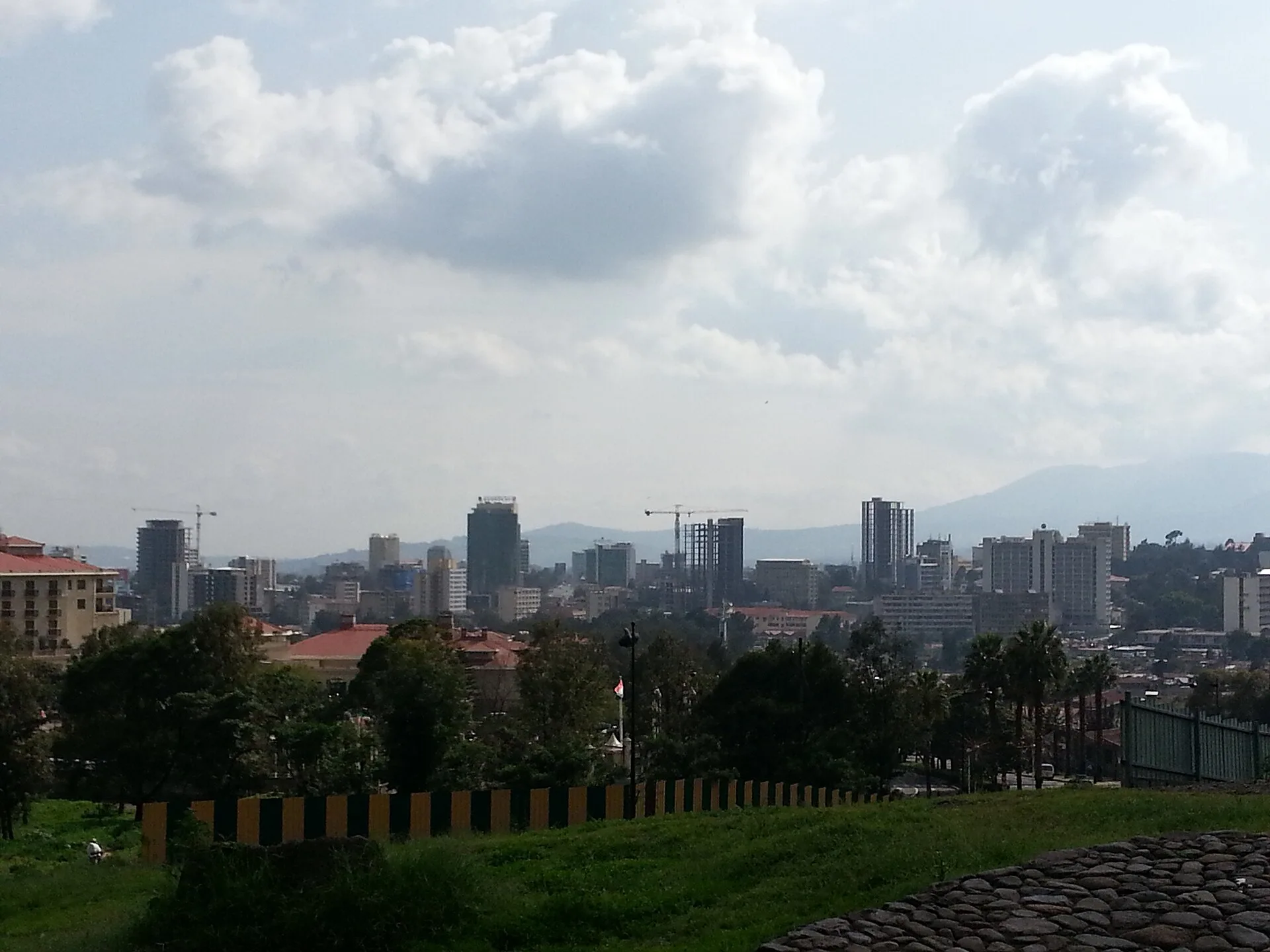
Africa starts this Monday counting what it has been promised against what it can deliver. A war, a plague and an election each wait on help or machinery that has not arrived.
The register is weary realism: leaders announce dates, plans and offensives, and the people living under them wait to see which ones are real. Warnings from the United Nations and Africa CDC, the African Union’s health agency, read less like alarms than like reminders that nobody is acting on the last ones.
The through-line is the gap between the announcement and the capacity. In Khartoum’s war zones, Congolese villages and South Sudanese towns, the question is who is actually there to carry it out.
Key Facts
Sudan. The UN counts 2,230 civilians killed from January to October, over 1,630 by drone.
DR Congo. Africa CDC says Ebola is still not under control, with over 11,200 cases and 5,500 deaths.
South Sudan. The first election is now set for 11 February 2027, after registration opened on 14 November.
Ethiopia and Eritrea. Polymarket traders put the odds of an Eritrean invasion by 31 December at 12.5%.
Nigeria. The central bank announces its rate decision on Tuesday 24 November, with a forecast of 23%.
Sudan: The Army Advances, The Sky Kills
The Sudanese army, led by General Abdel Fattah al-Burhan, has captured the town of Al Khuway and moved to within about 60 kilometres of Al Nuhud, a stronghold of the paramilitary Rapid Support Forces, according to ACLED, a conflict-data project. ACLED says the army and its allies have retaken more than 30 villages and towns across North and West Kordofan since early November.
The mood is of a war that may be turning, which for civilians means a new kind of fear. The UN Human Rights Office counts at least 2,230 civilians killed from January to October, and more than 1,630 of them died in drone strikes.
DR Congo: A Plague Without A Plan
Africa CDC’s director-general, Jean Kaseya, said on Sunday 15 November that the Ebola outbreak in DR Congo is still not under control, six months after it was declared on 15 May. Government data show more than 11,200 cases and 5,500 deaths from the Bundibugyo strain, for which there is no effective vaccine.
The mood is exhaustion with a thread of dread, because six months on the outbreak is still not under control. The Bundibugyo strain has no effective vaccine, which leaves the response without its strongest tool.
For a US reader the practical question is whether health systems in the region can keep pace with travel and trade. Without a vaccine, the response depends on tracing contacts and isolating the sick, which is slow work in a country the size of Western Europe.
South Sudan: The Vote Moves To February
South Sudan’s National Elections Commission has set 11 February 2027 for the country’s first general election since independence in 2011, moving it back from 22 December 2026 on 14 November. Voter registration opened on 14 November and runs to 28 November.
The mood is of a date that has already slipped once. The registration drive that opened on 14 November is the first test of whether February holds.
What is not known is whether the vote will go ahead on time, or whether the date will slip again. A postponement would extend a transition that the 2018 peace deal was meant to end.
Ethiopia And Eritrea: Odds On A War Nobody Declared
ACLED says Ethiopian drones targeted likely Eritrean positions near the border town of Badme on 12 November, and that Eritrean forces fired artillery toward Ethiopian positions. The mood is dread with deniability, in a region that remembers the 1998 to 2000 war that began at Badme.
On Polymarket, a prediction market where traders bet real money, a contract on an Eritrean invasion of Ethiopia by 31 December trades at 12.5%, with about US$125,000 traded. Those prices are bets, not polls.
Nigeria: A Rate Decision And A New Role
Nigeria’s central bank announces its interest rate decision on Tuesday 24 November at 10:00 a.m. ET, and the forecast is 23%. Inflation eased to 14.06% in October, so the question is how much room that gives the bank.
The mood is of cautious ambition, because the Dangote refinery helped make Nigeria a net exporter of petrol for the first time in April 2026, though the surplus was small. That shift matters for Nigerians who pay for petrol and for refiners and shippers in the Atlantic basin.
What This Means From Latin America
Brazil and Peru know what it is to announce an election or a mine before the institutions are ready. South Sudan’s postponed vote is a reminder that a date on the calendar is not a vote.
Latin America also watches African fuel, because Nigeria’s new role as a small net petrol exporter touches the same diesel and gasoline flows that Brazil and Argentina buy. The five European countries planning a migrant return hub in Rwanda, Germany, Denmark, Austria, Greece and the Netherlands, offer a mirror to Latin American debates about who hosts whom.
What We Are Watching
- Tuesday, 24 November, 10:00 a.m. ET: Nigeria interest rate decision: The forecast is 23%. It shows how the central bank weighs prices against growth.
- Thursday, 26 November, 3:00 a.m. ET: Zambia inflation rate: November data is due, after 6.3% before. It shows how far prices are drifting in Southern Africa.
- Friday, 27 November, 8:00 a.m. ET: Nigeria GDP growth: Third-quarter output is due, after growth of 4.43% before. It shows how much the economy gained from lower inflation.
- Tuesday, 1 December, 4:00 a.m. ET: South Africa GDP growth: Third-quarter output is due, after a contraction of 0.2% before. It shows how much households feel the squeeze.
- Thursday, 11 February 2027: South Sudan votes: The date is now 11 February 2027, and voter registration runs from 14 to 28 November. It shows whether the country’s first vote happens on time.
Background: South Sudan’s election body · Africa’s new scramble
Frequently Asked Questions
How many civilians has the Sudan war killed this year?
The UN Human Rights Office verified at least 2,230 civilian deaths in Sudan from January to October 2026. More than 1,630 of them were killed by drone strikes, and the true toll is likely higher.
Is the DR Congo Ebola outbreak under control?
No, according to Africa CDC, the African Union’s health agency. Its director-general, Jean Kaseya, said on Sunday 15 November that the outbreak is still not under control six months after it was declared.
When is South Sudan’s first election?
The National Elections Commission has set 11 February 2027 as the date for the country’s first general election since independence, moving it back from 22 December 2026. Voter registration opened on 14 November.
What is on the African economic calendar this week?
Nigeria’s central bank announces its interest rate decision on Tuesday 24 November at 10:00 a.m. ET, with a forecast of 23%. Zambia reports November inflation on Thursday 26 November, and Nigeria publishes third-quarter growth on Friday 27 November.
This article was produced by The Rio Times’ automated AI newsroom. Editorial responsibility: Matthias Camenzind, Publisher and Editor-in-Chief. The Rio Times also runs Ask Rio Times, which answers from 100,000+ of our own articles, the daily Latin America Power Map, and prediction-market odds on elections and markets.. How we use AI · Report an error
LatAm Markets: Live Signals → — real-time movers, turnover leaders and FX across Latin America.
Read More from The Rio Times