Europe Intelligence Brief — Saturday, November 21, 2026
Executive Summary
Europe Intelligence Brief for November 21: EU and UK strike reset deal, Russian missiles hit Poland, euro area inflation climbs to 4.0 percent.
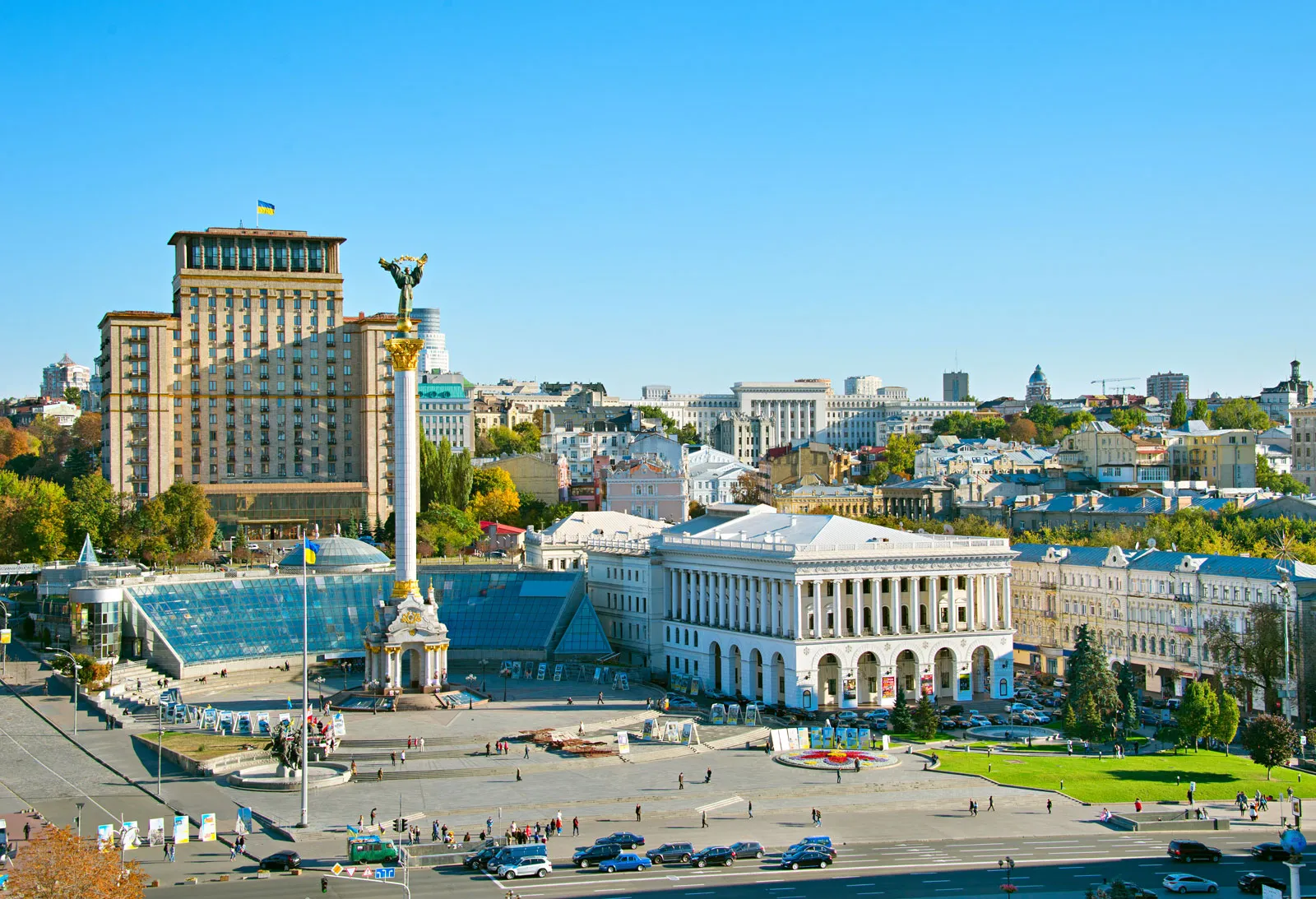
Europe wakes on Saturday in the mood of a house that has just signed a good contract while hearing gunfire next door. Euronews led its 20 November bulletins with a reset between the EU and the UK, on a day it also reported Russian missiles hitting Poland.
The register is guarded and stretched: diplomats speak of agreements, while students and workers speak of conscription and bills. In Berlin and across Italy on 20 November, local media reported, the loudest voices were not leaders but marchers and strikers.
The through-line is that Europe is rebuilding its alliances faster than its citizens can feel safer or richer. Brussels offers partnership, the east offers fear, and the squeezed households in between are asking who will pay for both.
Key Facts
Summit. The EU and the UK reportedly struck a post-Brexit reset deal in Brussels on 20 November.
Kyiv. A deadly Russian strike hit Kyiv on 20 November.
Berlin. Students marched in Berlin on 20 November against rearmament and the prospect of compulsory military service.
Italy. Workers and students joined a nationwide strike over the cost of living on 20 November.
Inflation. Euro area inflation reached 4.0 percent in October, up from 3.8 percent in September.
Brussels And Warsaw: Reconciliation Beside A Warning
London and Brussels want the reset read as proof that Europe can still organise itself, and local media gave it top billing in each of its three bulletins on 20 November. The mood behind it is less warmth than need, because a continent under pressure from the east has little patience for old quarrels.
Poland sits where both stories meet, since a missile reported on its soil by local media turns a distant war into a domestic fear. For a US reader, the signal is that Europe’s security debate now runs through Warsaw as much as Berlin, and that allied reactions will be watched closely in Washington.
Kyiv: Fear Without A Settlement
Kyiv is again the place where the war is felt as a daily risk rather than a distant front, and the US-mediated talks that opened in Abu Dhabi on 10 November, ITV News reported citing AP, have not changed that feeling. Ukrainians hear diplomacy as something done about them, in rooms where they are not the only voice.
Berlin And Rome: The Young And The Squeezed
Berlin’s students and Italy’s strikers protest different things with one feeling, that decisions made in capitals land on ordinary people first, as local media showed in its 20 November coverage of both. Neither is a revolt, yet together they show that rearmament and living costs compete for the same public patience.
Core inflation of 2.5 percent in Eurostat’s October flash is calmer than the headline, and Christine Lagarde said in an interview published on 7 November in the Yomiuri Shimbun that the ECB sees no second-round effects beyond those projected and is watching wage deals. Households and the central bank are therefore reading the same numbers with different moods, one weary and one watchful.
Paris: A Campaign Starts Early
Antalya And The Vatican: Hope Staged, Hope Deferred
Climate campaigners denounced the proposed outcome of the COP31 summit in Antalya as failing to deliver meaningful progress, local media reported around 20 November. Their anger shows a public that still wants Europe to lead on climate even as security and bills crowd the agenda.
At the Vatican, a 25-metre Christmas tree was installed in St Peter’s Square on 20 November, local media reported, the one picture of the day that asks nothing of anyone. Seasonal ritual offers a pause to a continent that has had few, and it reminds readers that the mood is more tired than despairing.
What This Means From Latin America
The EU–Mercosur agreement was signed on 17 January 2026 and its interim trade agreement was published in the Official Journal on 27 February, according to the European Commission’s trade pages, with provisional application reported from 1 May by The Portugal News on 10 May. European Parliament consent and national ratification remain, and in our reading a Commission absorbed by Hungary’s stance on Ukraine and by security has less attention to spare.
Euro area energy prices ran 20.8 percent higher year on year in Eurostat’s October flash, which in our reading strengthens the case Latin American exporters of oil, LNG and ethanol can make to European buyers. Diplomatically, a Europe that has just reset ties with London and is rearming will look for partners that offer supply and stability, and Latin American governments should expect that to colour trade talks.
What We Are Watching
- Monday 23 November, 4:00 a.m. ET: eurozone flash PMI for November — The composite forecast is 51.9, with Germany at 53.3 (3:30 a.m. ET) and France at 48.1 (3:15 a.m. ET), and the gap shows how unevenly the continent is coping.
- Wednesday 25 November, 2:00 a.m. ET: German GDP for the third quarter — The forecast is 0.2 percent growth on the quarter against 0.3 percent before, and it tests the economy that is being asked to rearm.
- Thursday 26 November, 2:00 a.m. ET: German GfK consumer confidence for December — The forecast is minus 29.9 against minus 30.8 before, and it shows whether German households share the wider weariness.
- Friday 27 November, 2:45 a.m. ET: French harmonised inflation for November — The forecast is 3.6 percent year on year against 3.8 percent before, which matters for a country entering a presidential campaign.
- Friday 27 November, 3:00 a.m. ET: Spanish harmonised inflation for November — The forecast is 4.7 percent year on year against 4.9 percent before, and it shows whether energy-driven price pressure is easing in southern Europe.
Frequently Asked Questions
What did the EU and UK agree in Brussels?
local media reported on 20 November that the EU and the UK struck a post-Brexit reset deal at a summit in Brussels. It was the lead item in the broadcaster’s bulletins that day.
How high is euro area inflation?
Eurostat’s flash estimate put October inflation at 4.0 percent, up from 3.8 percent in September, with energy up 20.8 percent year on year and core at 2.5 percent. Christine Lagarde said in an interview published on 7 November that the ECB sees no second-round effects beyond those projected.
Why did Italians strike on 20 November?
local media reported that workers and students joined a nationwide strike over the cost of living. Eurostat’s flash showed euro area energy prices 20.8 percent higher than a year earlier in October.
Where does the EU–Mercosur trade deal stand?
The agreement was signed on 17 January 2026 and the interim trade agreement was published in the Official Journal on 27 February, according to the European Commission, with provisional application reported from 1 May. European Parliament consent and national ratification are still to come.
This article was produced by The Rio Times’ automated AI newsroom. Editorial responsibility: Matthias Camenzind, Publisher and Editor-in-Chief. The Rio Times also runs Ask Rio Times, which answers from 100,000+ of our own articles, the daily Latin America Power Map, and prediction-market odds on elections and markets.. How we use AI · Report an error
LatAm Markets: Live Signals → — real-time movers, turnover leaders and FX across Latin America.
Read More from The Rio Times