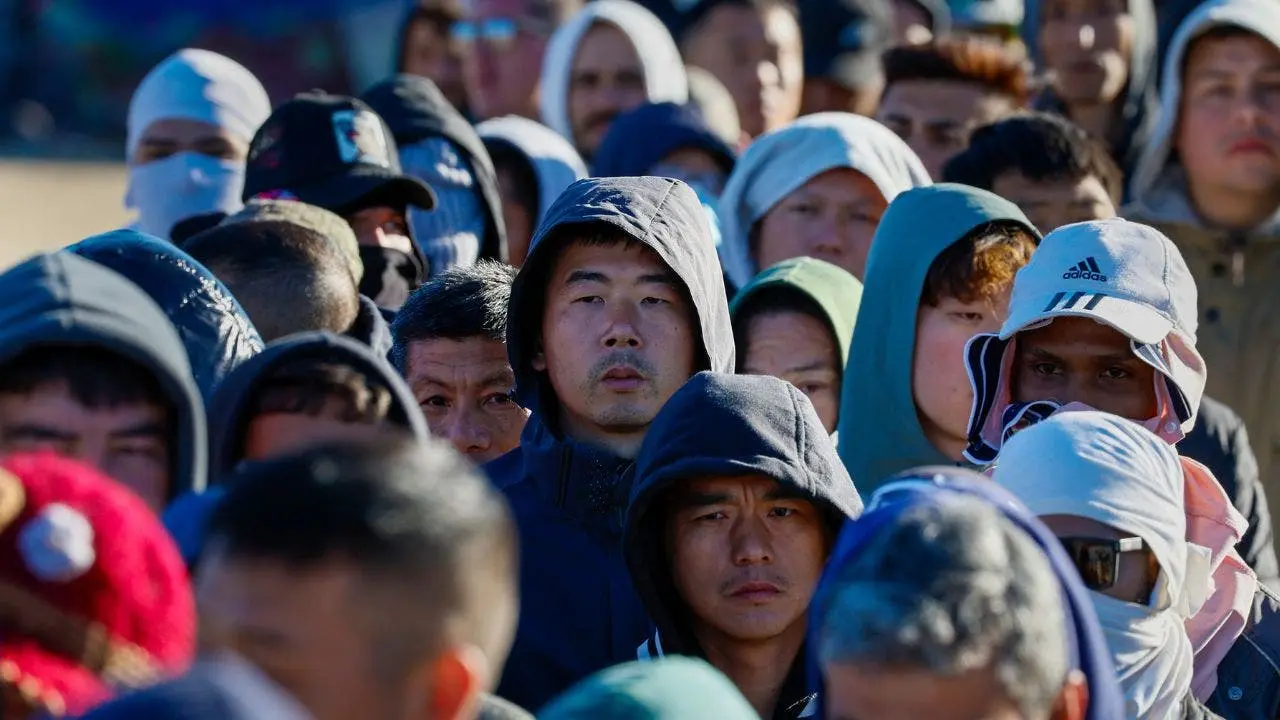
Ecuador has emerged as a crucial escape route for Chinese migrants fleeing Xi Jinping’s oppressive regime.
The country’s visa-free entry policy for Chinese nationals makes it an attractive starting point.
These migrants seek refuge from political repression and economic hardship in China.
In 2023 alone, around 50,000 Chinese migrants entered Ecuador. Half continued their perilous journey through Colombia and the treacherous Darién Gap.
This dangerous trek can last several months and cost thousands of dollars. Many migrants first fly to Istanbul or Addis Ababa before reaching Ecuador.
The harsh economic and political climate in China under Xi Jinping drives many to emigrate.
Stringent government policies and economic struggles, including low GDP growth and high youth unemployment, contribute significantly.
Since Xi Jinping took power in 2012, over 600,000 Chinese citizens have sought asylum in various countries.
They flee the increasing authoritarian grip and human rights abuses, particularly against ethnic minorities like the Uyghurs in Xinjiang.
Once in Ecuador, many migrants attempt to reach the United States by traveling through Colombia to Necoclí.
From there, they traverse the Darién Gap, fraught with risks, including encounters with criminal groups like Colombia’s Clan del Golfo.
These groups exploit migrants by charging exorbitant fees for passage. They subject them to violence and theft.
Ecuador Becomes Key Escape for Chinese Under Xi’s Regime
Social media platforms like TikTok play a significant role in facilitating these journeys.
Human traffickers advertise “safe” routes, drawing many to undertake this arduous path despite the hazards.
The promise of freedom and better economic opportunities drives many migrants forward.
The presence of these migrants in transit countries like Ecuador brings both economic benefits and logistical challenges.
Their spending can stimulate local economies but also strains public services and security infrastructure.
More: Ecuador news in English, every day from The Rio Times.
This article was produced by The Rio Times’ automated newsroom system. How we use AI · Report an error · Editorial responsibility: Matthias Camenzind, Editor-in-Chief
Horn of Africa and the Red Sea
- Horn of Africa 2026: Why It Matters and Who Backs Whom
- Ethiopia’s Neighbors Explained, Ports, Eritrea, Somalia
- Eritrea Explained 2026, a Red Sea Country Guide
- Somalia Explained: Al-Shabaab, Somaliland, the Ports and the Fight Over a 2026 Vote