Eating Eggs, Pork, and Chicken in Europe Increases Deforestation in Brazil
By Richard Mann, Contributing Reporter
RIO DE JANEIRO, BRAZIL – Environmental organization Greenpeace alerted on Tuesday, June 11th, that eating eggs, chicken or pork in Europe increases deforestation in Brazil and Argentina.
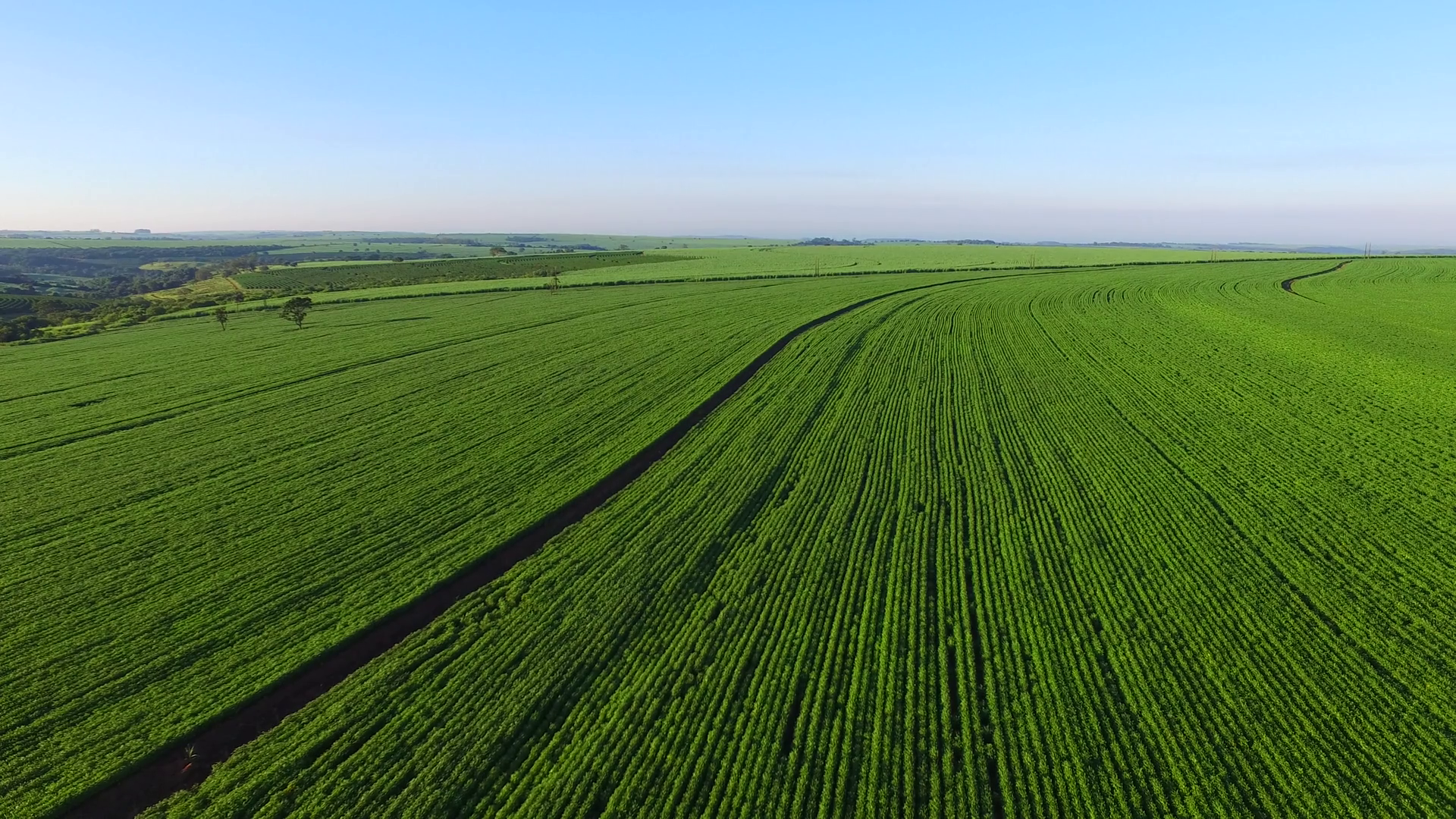
The NGO notes that large-scale imports of transgenic soybeans are increasingly encouraging Latin American producers to ravage forests to plant the oilseed, used to feed animals in Europe.
According to Greenpeace, more than 95 percent of Brazilian and Argentinian soybeans are genetically modified. Over half of the soybeans consumed in the European Union come from the two countries, according to the report (37 percent from Brazil, 29 percent from Argentina, 15 percent from the United States and 19 percent from the rest of the world).
“Plantations in these two countries lead to deforestation, as the goal is to produce soybeans for animal feed, mainly in Europe,” Cécile Leuba, author of the study, told Agence France Presse (AFP).
Soya in feed
Entitled “Passionate about meat, Europe feeds the climate crisis with its dependence on soybeans”, the study shows that 87 percent of soybeans imported into Europe are used for animal feed.
Three-quarters of imports are intended for industrial raising of chickens for slaughter and laying hens (fifty percent), or pigs (24 percent). Dairy cows consume sixteen percent of imported soybeans and beef cows seven percent.
“We are denouncing the European Union’s double standards, which, on the one hand, ban GMOs and many pesticides. But on the other hand, permit the import of GMO soybeans cultivated with pesticides banned in Europe,” says Leuba.
“We want to show Europeans that the consumption of meat, eggs, and dairy products conceals deforestation, as the majority of farm animals feed on soybeans daily,” she explained.
“Soy production in Brazil has more than quadrupled in the last 20 years,” reads the report.
Savannas and biomes
If Amazonia is “relatively protected from this expansion” as a result of the moratorium negotiated in 2006 between Brazilian NGOs, companies, and authorities, soybean cultivation has developed in the savannas and biome forests, which “have lost half of their native vegetation.”
Since 1990, pesticide use per unit area has “increased by more than 170 percent in Argentina and Brazil,” Greenpeace estimates, and “the EU would not authorize over one-third of the pesticides allowed in Brazil.”
However, the NGO considers it impossible for the EU or France to relocate non-GM crops to the old continent to make up for this. In France alone further 11,980 km² would be required to produce the 3.5 million tonnes of soybeans imported each year (including 2 million from Brazil), that is, nearly all the agricultural land of Morbihan, Côtes d’Armor and Finistère combined.
To reduce greenhouse gas emissions, the NGO advocates a “transformation of the agricultural system” by reducing the consumption and production of animal protein.
“In Western Europe, where meat and dairy consumption is almost double the global average, it needs to be reduced by about 80 percent by 2050,” says Greenpeace.
More: Brazil news in English, every day from The Rio Times.
This article was produced by The Rio Times’ automated AI newsroom. Editorial responsibility: Matthias Camenzind, Publisher and Editor-in-Chief. The Rio Times also runs Ask Rio Times, which answers from 100,000+ of our own articles, the daily Latin America Power Map, and prediction-market odds on elections and markets.. How we use AI · Report an error
Brazil runoff, Sunday, October 25: When is the Brazil runoff election. Latest: Brazil runoff polls, Flávio 51%, Lula 49%.