Colombia’s Petro Breaks With Washington on Venezuela, Warns Against Foreign Military Action
Colombian President Gustavo Petro has openly challenged Washington’s approach to Venezuela, warning that any foreign military action there without regional approval would be treated as aggression against all of Latin America.
His comments come as the United States intensifies its anti-narcotics push, classifying Venezuelan-linked cartels as terrorist groups and maintaining a record $50 million reward for President Nicolás Maduro, accused by U.S. prosecutors of leading the Cartel de los Soles and sending tons of cocaine to North America.
Rather than support these U.S. measures, Petro has rejected regime-change tactics and condemned bounty-style justice. He calls instead for free elections in Venezuela, dialogue between political factions, and a multinational anti-drug strategy rooted in each country’s sovereignty.
Petro also urges legalizing less harmful drugs to undercut cartels’ profits, while targeting the finances and leadership of the most dangerous criminal networks, not poor farmers or Indigenous groups often caught in the trade.
Behind the Headlines
Petro’s position breaks from Colombia’s long-standing military alignment with the U.S., reflecting deeper divides in Latin America over intervention and sovereignty.
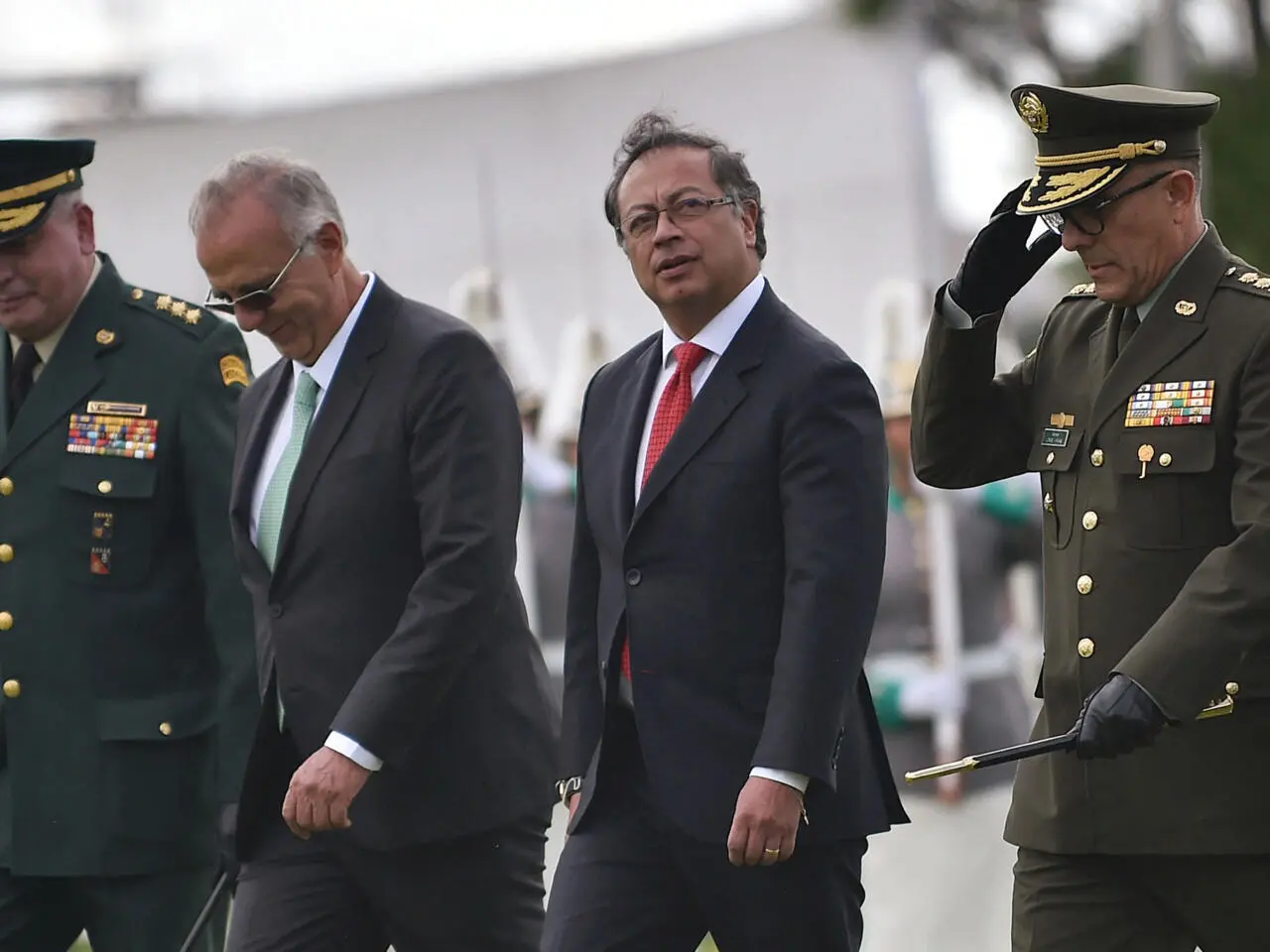
- Border Pressure: The Colombia–Venezuela frontier, especially the troubled Catatumbo region, is a corridor for drug routes, smuggling, and armed groups — a constant source of violence and displacement for tens of thousands.
- Petro’s Gamble: By aligning more with Caracas than with Washington, Petro hopes to stabilize the border and avoid a regional conflict triggered by U.S. unilateral action.
- Critics’ Concern: Opponents warn this could shield Maduro’s authoritarian government, accused of human rights abuses and dismantling democracy, while weakening international efforts against transnational crime.
- Big Picture: To the U.S., Venezuela is a narco-state and security threat; to Petro, U.S. intervention risks repeating a history of destabilizing Latin American sovereignty.
Why It Matters: This is more than a Colombia–Venezuela dispute. It’s a test of whether Latin America will chart its own security path or follow Washington’s lead — a decision that will shape the regional balance of power, the drug war’s evolution, and the struggle between sovereignty and intervention in the Americas.
More: Colombia news in English, every day from The Rio Times.
This article was produced by The Rio Times’ automated newsroom system. How we use AI · Report an error · Editorial responsibility: Matthias Camenzind, Editor-in-Chief