Argentine University Strike Marks Deep Conflict Over Budgets and Recovery
A nationwide strike has shut down Argentina’s public universities, as faculty and staff protest drastic budget cuts and declining salaries, according to official government and university sources.
Educators halted work across campuses, demanding relief from sharp losses in real wages and operating funds. The University of Buenos Aires and other major institutions experienced an 80% drop in purchasing power for essential services in 2024, while inflation moved past 117% for the year.
President Javier Milei responded to the crisis with strict fiscal controls, rejecting congressional plans to increase university funding and index wages to inflation.
In addition, his administration insisted that curbing public spending remains central to Argentina’s economic recovery and stability.
Milei’s team maintains that only discipline will restore investor confidence and protect national finances, even as unions dispute the adequacy of pay raises that total less than 5% over several months.
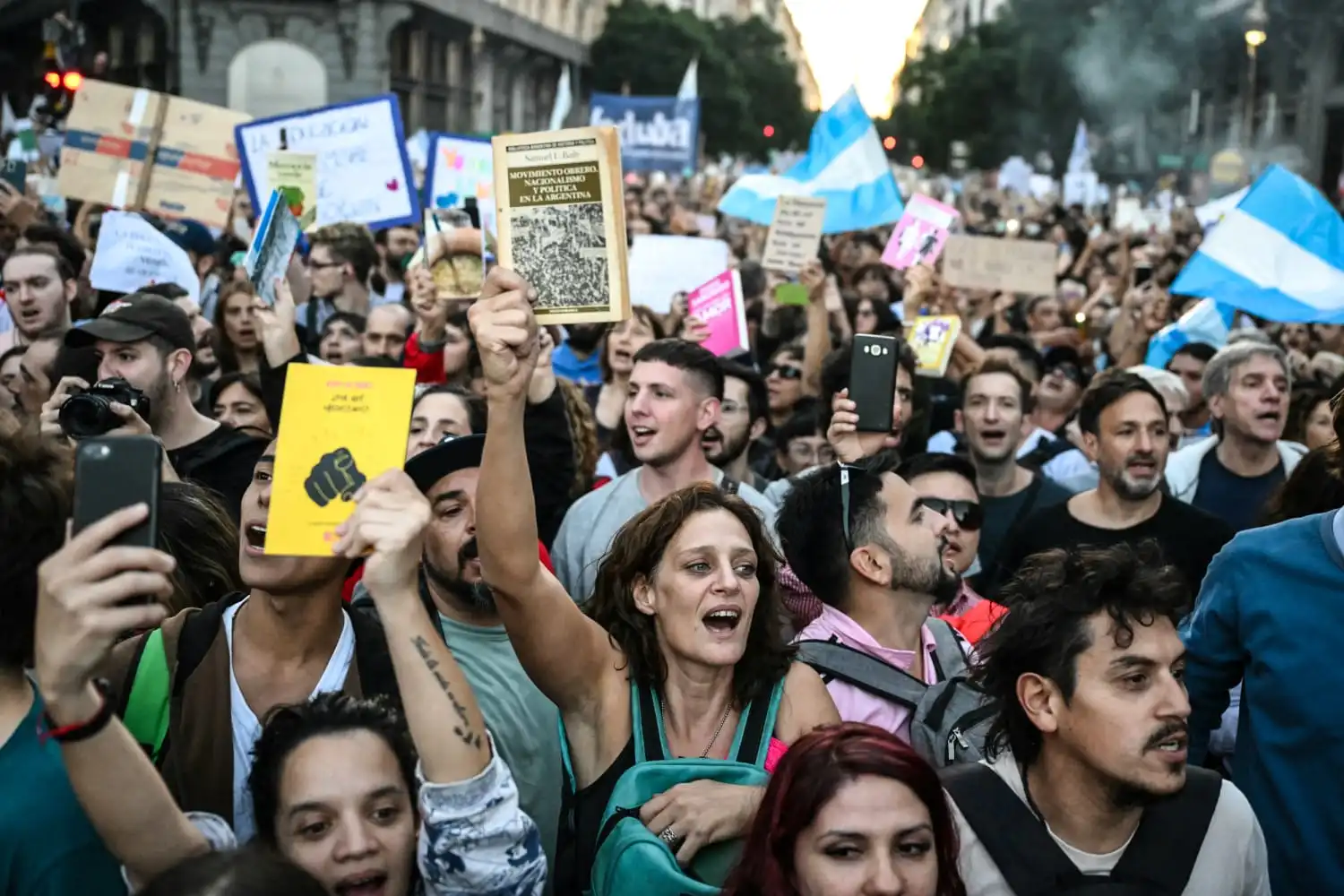
University unions, citing surveys and official data, say staff wage reductions have reached roughly 40% in real terms since late 2023, resulting in resignations and service suspensions.
Leaders warn further erosion could threaten the survival of campuses and hinder Argentina’s scientific progress and social mobility. However, the government argues that unsustainable spending puts the entire recovery at risk.
Argentina’s struggle now plays out in daily life: educators seek to protect campuses that have helped millions advance, while policymakers defend sharp budget limits as vital for future growth.
The strike exposes a clash between immediate demands and tough economic realities. By holding firm, Milei aims to reassure international markets and prevent a return to old habits of overspending.
The outcome will influence Argentina’s workforce, research culture, and long-term competitiveness.
More: Argentina news in English, every day from The Rio Times.
This article was produced by The Rio Times’ automated newsroom system. How we use AI · Report an error
Read More from The Rio Times