Colombia Readies Protest Decree Before Rallies

Politics: Colombia
Key Facts
—Who. Interior Minister Rodrigo Lara and President Abelardo De La Espriella, with the unions CUT and Fecode on the other side of the debate.
—What. A new decree on social protest that modifies Decree 003 of 2021, the protocol for how authorities act at protests.
—Where. Colombia, with marches expected in Bogotá and other cities.
—When. Signature expected around 9 October 2026; national marches called for Wednesday 14 October 2026.
—Why it matters. The rules decide when police may act against violent acts and how road blockades are handled, which affects travellers and business.
—As of. 9 October 2026, 21:10 GMT
Colombia's Interior Minister says a new decree on social protest is about to go to President Abelardo De La Espriella for signature. In the reports we saw, the decree was not yet signed, and national marches are planned for Wednesday 14 October 2026.
What We Know
Interior Minister Rodrigo Lara said on 8 October that the new decree on social protest would go to President Abelardo De La Espriella for signature the next day, Friday 9 October, according to Semana. The decree was not yet signed in the reports we saw.
Infobae Colombia gives the signing day as “viernes 11 de octubre”, but 11 October 2026 is a Sunday, an apparent error. Semana points to Friday 9 October.
The decree modifies Decree 003 of 2021, the protocol for how authorities act at protests and protect those who take part. The Interior Ministry published a draft that stayed open for public comment until 4 October 2026.
The ministry also says it held meetings with social organisations, the plaintiffs in the court ruling and the security forces. Infobae summarises Lara’s aim as no fewer rights for those who protest and no more space for those who destroy.
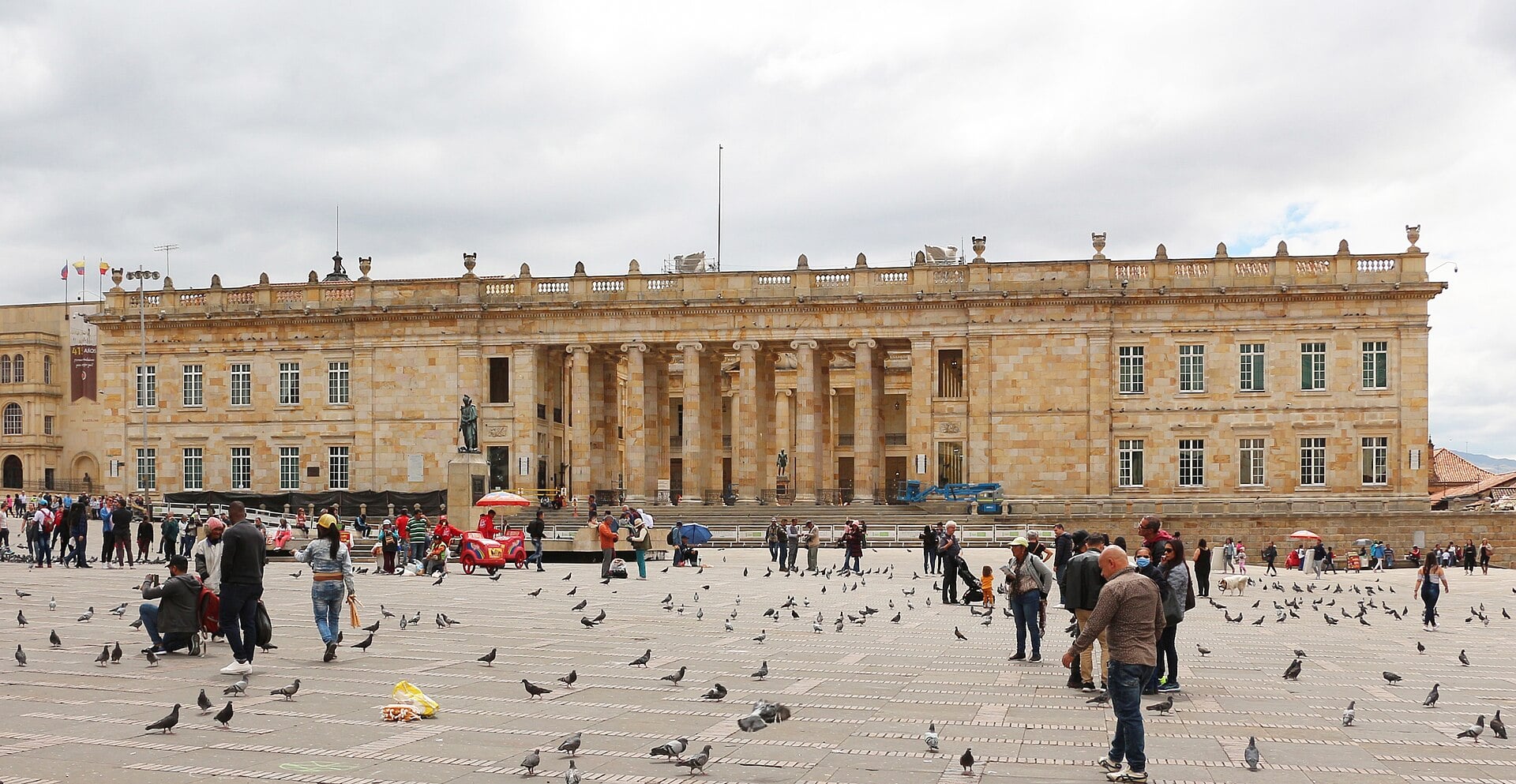
What the Decree Would Change
According to Infobae, the decree defines violent acts so that they can be separated from peaceful protest. Violent conduct includes aggression against people, throwing objects able to cause serious injury, holding people against their will, and using children in protests.
Dialogue stays the main response of the authorities. However, the decree lists eight grounds on which dialogue is considered exhausted.
Those grounds include blockades of medical missions, harm to public services and the risk of food or medicine shortages. They also cover carrying or using weapons and attacks on medical staff or journalists.
The text sets up “solidarity corridors” meant to prevent permanent road blockades. It also creates five levels of response by the authorities.
The draft text said police may act against individually identified violent acts without waiting for dialogue to end. We have not seen the final wording, so that point could change in the signed version.
Reactions are split. Asocapitales, the association of Colombian capital cities, backed the draft, according to Minuto60, while Senator Jennifer Pedraza says the decree treats protest as a problem, according to El Colombiano.
What Is Not Known
It is not known whether the president has signed the decree or on which day it takes effect. The final text may also differ from the draft that was open for comment.
Colombian legal press describes five levels of response, from mediators and dialogue up to dispersal. It is not known how police will apply them in practice or who decides when dialogue counts as exhausted.
The size of the 14 October marches is also unclear. The unions CUT, the Central Unitaria de Trabajadores, and the teachers’ federation Fecode have called national mobilisations for that day, and Semana reports that Petro will attend the march.
What It Means for Travelers and US Readers
Travellers in Bogotá and other cities should expect marches on Wednesday 14 October 2026. They should follow local guidance and the advice of their embassy, and allow extra time for road journeys.
Companies and investors will watch whether the new rules reduce protest-driven road blockades. Rules on blockades matter for freight, supply chains and the daily running of cities.
We reported the draft on 1 October, and the story has moved quickly since. For how the draft treated police action during dialogue, see Colombia Protest Decree Lets Police Act During Dialogue on The Rio Times.
If the decree is signed, the 14 October marches would be the first large protest under the new framework. How authorities and marchers behave that day will show whether the decree calms or sharpens the dispute.
Frequently Asked Questions
Has Colombia's protest decree been signed?
In the reports we saw on 9 October 2026, it had not yet been signed. Interior Minister Rodrigo Lara said it would go to the president for signature.
What does the decree change?
It modifies Decree 003 of 2021, the protocol for how authorities act at protests. It defines violent acts, lists eight grounds on which dialogue is exhausted, and sets five levels of response.
When are the marches in Colombia?
The unions CUT and Fecode called national mobilisations for Wednesday 14 October 2026. Semana reports that former president Gustavo Petro will attend the march.
What should travellers to Colombia do?
Travellers to Bogotá and other cities should expect marches on 14 October. They should follow local guidance and the advice of their embassy.
Sources
Semana · Semana (march) · Infobae Colombia · El Espectador · Vanguardia · Minuto60 · El Colombiano
Connected Coverage
This article was produced by The Rio Times’ automated newsroom system. How we use AI · Report an error · Editorial responsibility: Matthias Camenzind, Editor-in-Chief