Venezuela Governor Lights Up Amid Blackouts
Governor Lacava says Christmas lights in Carabobo run on separate generators. Business leaders say generators cannot replace a working grid, and a resident asked him for a promise of power in December.

Energy: Venezuela
Governor Rafael Lacava switched on Christmas lights in Carabobo state in mid-November 2026, while blackouts kept hitting homes there. The lights shine in plazas of Carabobo, an industrial state in central Venezuela whose capital is Valencia, and Lacava says they run on generators.
For readers abroad, the scene is one more piece of Venezuela news about a country in political transition under acting president Delcy Rodríguez, where power supply decides whether industry can work. A grid that fails in an industrial state such as Carabobo shapes whether any recovery can reach factories and shops.
Key Facts
- Who. Rafael Lacava, governor of Carabobo state, from Venezuela’s ruling movement founded by Hugo Chávez.
- What. Christmas lights run on portable power plants, he says, not on the national grid.
- Where/When. Plazas across Carabobo, from mid-November 2026, during daily blackouts.
- Power Index. Venezuela ranks 12th of 14 in The Rio Times Latin America Power Index, with 29.4 points (November 2026 edition).
- As of. 24 November 2026, 12:00 GMT.
Governor Lacava says Christmas lights in Carabobo run on separate generators. Business leaders say generators cannot replace a working grid, and a resident asked him for a promise of power in December.
Residents of Carabobo filmed several generators installed in plazas for the Christmas lighting, as reported on 17 November 2026, while blackouts hit their homes. Governor Rafael Lacava, of the ruling chavista movement founded by the late president Hugo Chávez, has explained that the lights run on portable power plants and “does not use energy from the National Electric System (SEN)”, the national grid.
He says the arrangement keeps the seasonal decorations lit without affecting household supply. His explanation, as quoted, gives no cost and no fuel volume, and statements from the governor’s office or from Corpoelec, the state power utility, were not available.
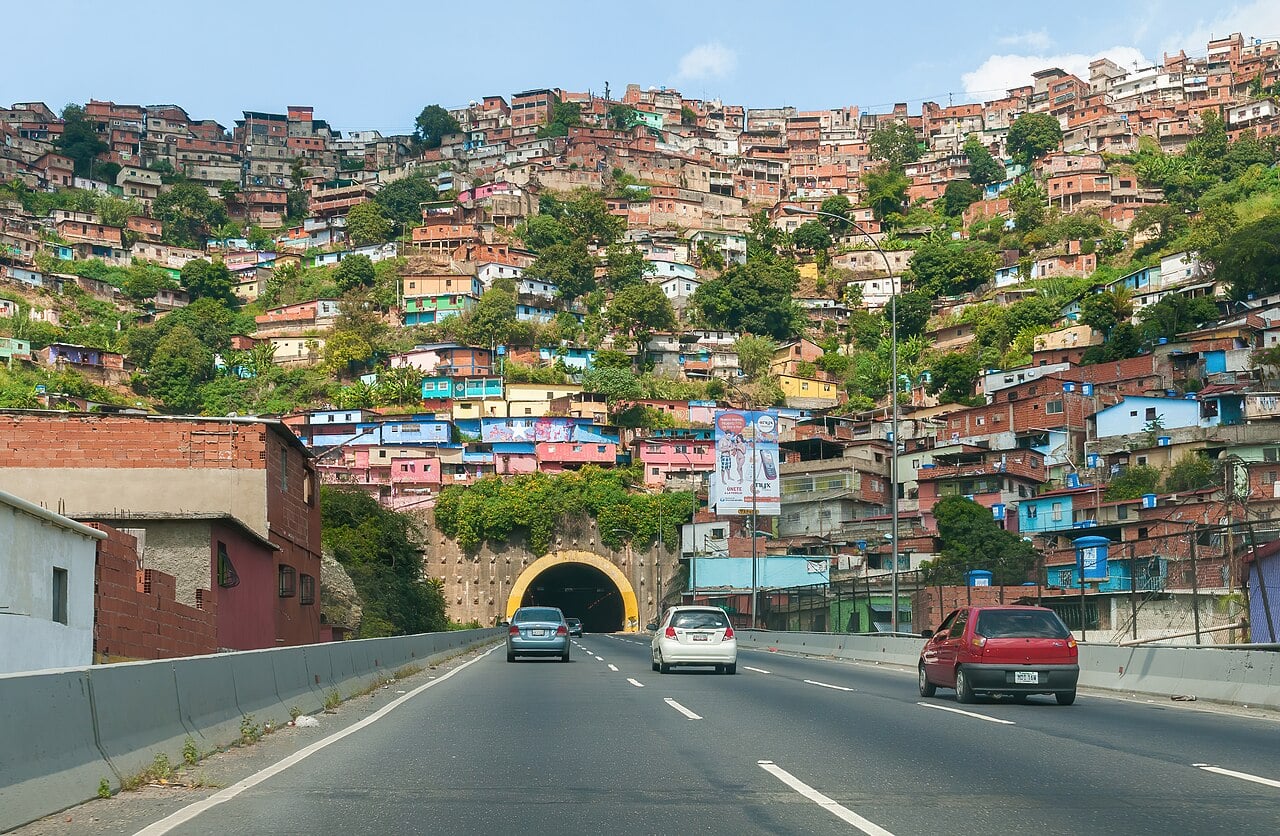
In September 2026 Lacava announced: “I formally announce that the Carabobo Christmas will be the best that is remembered in the history of this country.” The lights are the visible part of that promise in a state where blackouts continue.
In an exchange reported on 19 November 2026, a resident stopped Lacava in the street and asked whether the state government would guarantee, besides the lights already on, that people can spend this December with electricity at home. Lacava stayed silent for several seconds, then said: “Listen, what you are asking me is something I could call, as the gringos say, ‘a tricky question’.”
The resident is not named, and no further answer from the governor has been published. The exchange points at the gap between lights in the plaza and power at home.
On 8 October 2026 María Auxiliadora Ávila, president of Capemiac, the chamber of small and medium industrialists and artisans of Carabobo, said in a radio interview that outages run 8 to 14 hours. She said they cost “140 hours a month without producing” and that industry in the state works “practically at 20%, being optimistic”.
On generators, Ávila said a power plant cannot cover that many hours: “It is like the spare tyre of a car, it is there to solve the moment, but not to keep you going all those hours.” She also said fuel supply for the plants is a problem.
On 6 August 2026 Ernesto Abbas, president of the Valencia Chamber of Commerce, said on business radio that shops lose 15 to 20 working hours a week to rationing, applied in two blocks a day between 8:00 am and 6:00 pm. He called it “very serious because it takes productivity away from companies of any kind”.
Abbas also described a financing programme with private banks, “Una Luz para el Comercio”, planning credit over 12 and 24 months that covers up to 70% of the cost of generators, inverters (devices that turn battery power into mains current) or solar panels. It is aimed at more than 500 member companies.
Earlier reports covered the blackout protests and grid deficit in September, and protests blocking highways in Lara state in October. Both followed residents who took to the streets over power cuts.
On Sunday 1 November 2026 acting president Delcy Rodríguez led the official national Christmas lighting in Caracas, so the season opened with the government’s blessing. Carabobo’s own lighting followed in mid-November.
The generator explanation rules out a direct drain on the grid, but it leaves open the fuel supply that Ávila calls a problem, and no cost or fuel figure has been confirmed. Until Lacava or Corpoelec answers the resident’s question, a Christmas with electricity in Carabobo stays unconfirmed.
Frequently Asked Questions
How are the Christmas lights in Carabobo powered?
Governor Lacava says they run on portable power plants rather than the national grid. He says this does not affect household supply.
Has the governor promised power at home this December?
Asked directly in the street, he stayed silent for several seconds and called it a tricky question. No later guarantee has been published.
Why do generators not solve the blackouts?
Business leaders describe a generator as a short-term fix, not a way to keep a factory running all day. Fuel supply for the plants is also a problem, according to the Capemiac president.
Venezuela and the United States
- What Is Going On Between Venezuela and the United States?
- What Is Going On Between Venezuela and the United States?
- Venezuela Geopolitics Explained, US Now Runs Its Oil
- Venezuela Politics 2026, Who Holds Power After Maduro
Sources: statements by Governor Rafael Lacava (September and November 2026); Capemiac president María Auxiliadora Ávila (8 October 2026); Valencia Chamber of Commerce president Ernesto Abbas (6 August 2026); acting president Delcy Rodríguez, national lighting of 1 November 2026.
This article was produced by The Rio Times’ automated AI newsroom. Editorial responsibility: Matthias Camenzind, Publisher and Editor-in-Chief. The Rio Times also runs Ask Rio Times, which answers from 100,000+ of our own articles, the daily Latin America Power Map, and prediction-market odds on elections and markets.. How we use AI · Report an error