Butterflies Travel from Africa to South America in Just Eight Days
Scientists from the Spanish National Research Council meticulously documented the Painted Lady butterflies’ journey.
These butterflies covered over 4,200 kilometers from Africa to French Guiana, aided by trade winds.
Moreover, the journey, lasting between five and eight days, established a new record for insect migration, showcasing their remarkable adaptability.
Gerard Talavera discovered several non-native Painted Lady butterflies on French Guiana’s shores in October 2013.
This finding spurred significant interest and led to a multidisciplinary study to trace their origins and flight path.
Initially, researchers considered whether the butterflies had come from North America or across the Atlantic from Africa or Europe.
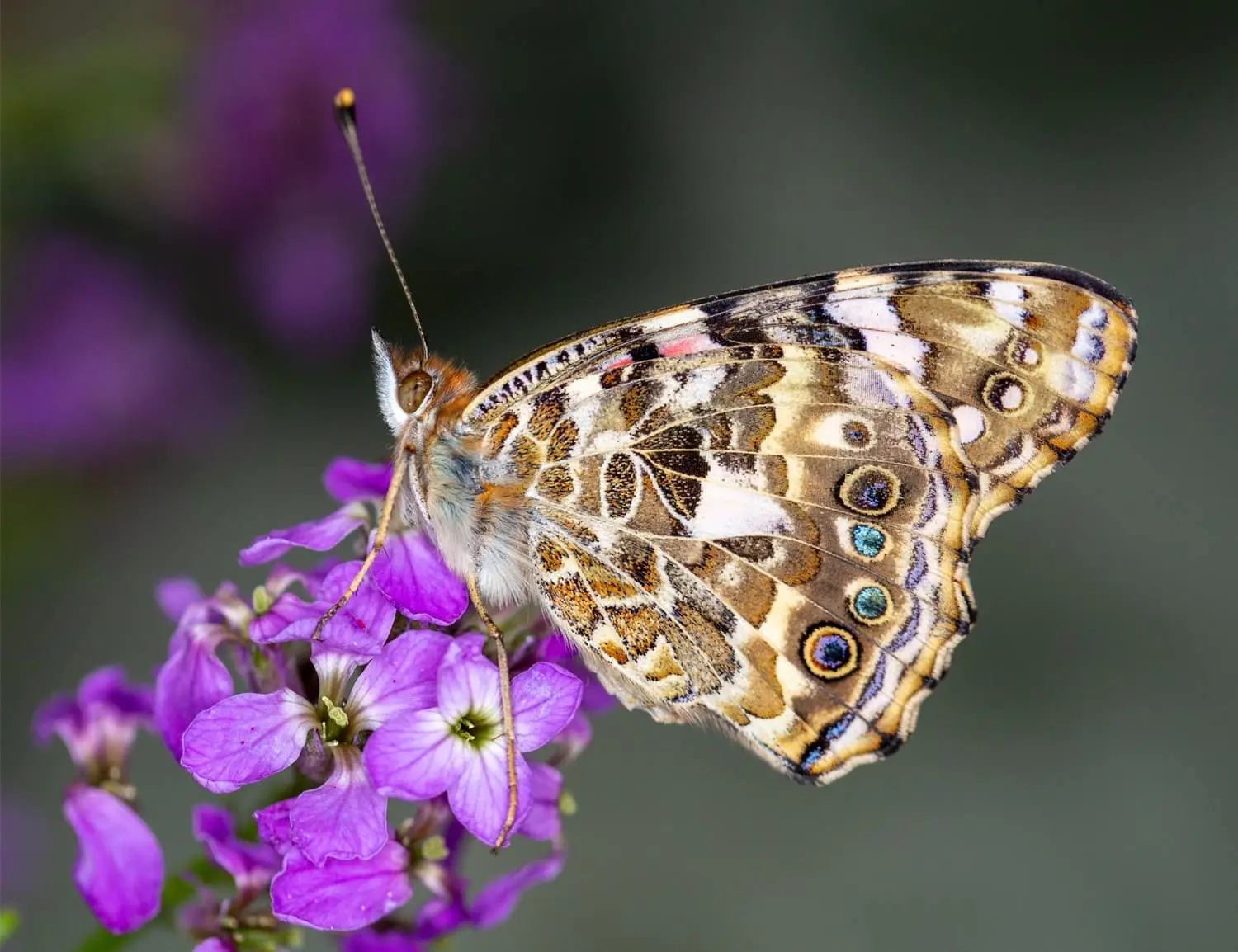
Subsequent investigations supported the Atlantic crossing theory. Directional wind patterns indicated a start from West Africa.
Genetic studies linked the South American butterflies to European and African populations, dismissing a North American origin.
Also, DNA from pollen on the butterflies pointed to plants in tropical Africa, confirming pre-flight visits there.
This research has broader ecological implications. It highlights the Painted Lady butterflies’ ability to fly vast distances at speeds up to 30 miles per hour and emphasizes wind currents’ role in such migrations.
These insights are crucial for understanding pollination and genetic diversity across continents.
The findings underline the interconnectedness of global ecosystems and the critical role of insects in maintaining biogeographic links.
They also illuminate how environmental changes influence migratory patterns, which is essential for conservation strategies aimed at protecting these vital pollinators and their habitats.
This article was produced by The Rio Times’ automated newsroom system. How we use AI · Report an error
Read More from The Rio Times