Brazil’s Strategic Ascent in the Global Rare Earth Market
(Analysis) Brazil is asserting itself as a key player in the rare earth elements (REE) industry, aiming to diminish global dependence on China.
This shift aligns with Western efforts to secure essential metals for advanced technologies and defense systems.
Rare earths are 17 essential metals used in high-tech, renewable energy, and defense, critical for industry and security.
Brazil, holding the world’s third-largest REE reserves, has significantly advanced in this sector.
The launch of commercial production at the Serra Verde mine in Goiás is a major milestone.
This mine, one of the largest ionic clay rare earth deposits globally, targets an initial annual output of 5,000 tons of rare earth oxides.
These oxides are vital for manufacturing high-efficiency magnets in wind turbines and electric vehicles, with potential output doubling by 2030.
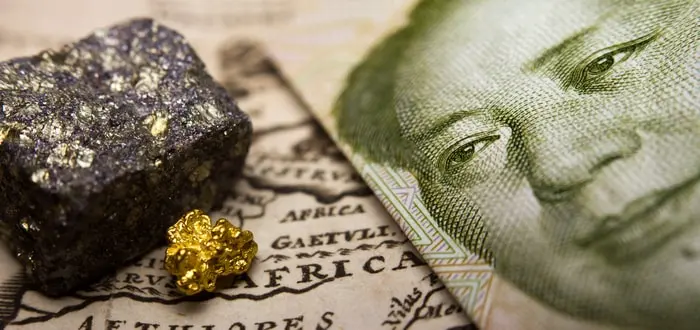
Moreover, Brazil hosts several promising projects like Monte Alto and Pele in Bahia.
These sites have demonstrated impressive mineralization, with some areas showing rare earth grades exceeding 34% TREO.
Spearheaded by companies like Brazilian Rare Earths Limited and Brazilian Critical Minerals, these initiatives enhance Brazil’s profile as a critical supplier in the global market.
International firms like Energy Fuels entering with the Bahia Project acquisition spotlight rising global interest in Brazil’s REE potential.
This project expands Brazil’s mining portfolio, including the extraction of valuable minerals like titanium and zirconium.
The global rare earth market is experiencing transformative shifts, with significant challenges faced by major players in China.
Despite China’s control over substantial reserves and its dominance in global production, other countries are ramping up their production capabilities.
Countries such as the U.S., Myanmar, Russia, India, and Australia are building independent supply chains to decrease dependence on Chinese exports.
Brazil’s Strategic Ascent in the Global Rare Earth Market
Brazil is capitalizing on its competitive advantages, such as low labor costs, renewable energy, and a skilled workforce.
The Brazilian government supports the industry with substantial investments, including a 1 billion reais($210 million) fund for strategic minerals projects.
These efforts are complemented by initiatives to develop technologies for transforming rare earths into valuable alloys and exploring recycling technologies.
Brazil’s rare earth initiatives boost global supply diversity and strengthen its geopolitical role.
These developments could lessen worldwide reliance on China for critical materials, improving the stability of global tech and energy networks.
More: Brazil news in English, every day from The Rio Times.
This article was produced by The Rio Times’ automated newsroom system. How we use AI · Report an error
Read More from The Rio Times