Brazil’s Most Wanted Crime Boss Captured in Bolivia with Fake Documents
Brazilian Federal Police announced the capture of Marcos Roberto de Almeida, known as “Tuta,” the alleged top leader of Brazil’s largest criminal organization, in Bolivia on Friday. Bolivian Special Forces arrested the dangerous fugitive in Santa Cruz de la Sierra while he attempted to complete immigration procedures using falsified documentation.
“Tuta” heads the Primeiro Comando da Capital (PCC), a powerful criminal network that controls drug trafficking and organized crime across much of South America. His leadership position came directly from PCC founder Marcos Willians Herbas Camacho, alias “Marcola,” who currently serves multiple sentences totaling over 300 years for various serious crimes.
The arrest resulted from coordinated efforts between Brazilian and Bolivian law enforcement agencies. Authorities had intensified their search for Almeida after his recent conviction on criminal association and money laundering charges. These convictions earned him a 12-year prison sentence in Brazil.
Interpol had placed “Tuta” on its Red Notice list, marking him as a high-priority international fugitive. Brazilian officials identified him as a key architect of international money laundering schemes connected to PCC’s criminal enterprise.
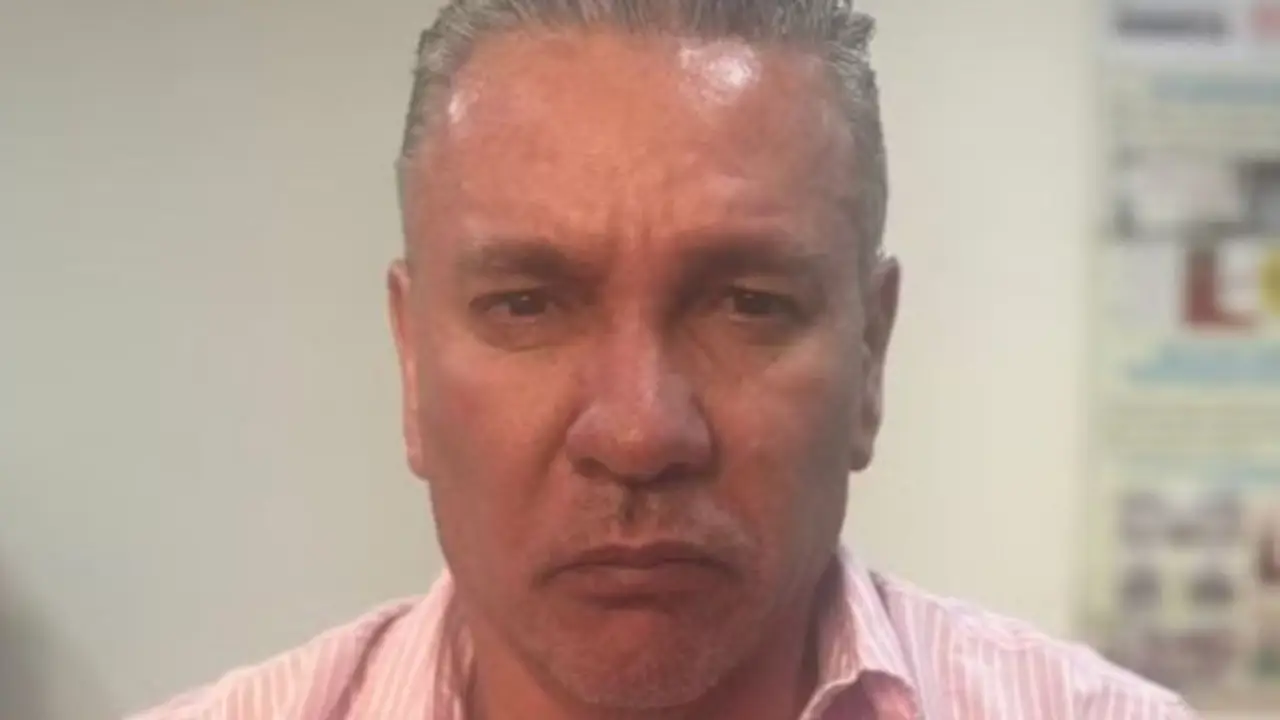
Brazil’s Most Wanted Crime Boss Captured in Bolivia with Fake Documents
The PCC has transformed from its origins as a prison gang into a sophisticated criminal empire with estimated membership exceeding 30,000. The organization maintains control over lucrative drug routes from production zones in Bolivia, Peru, and Colombia to Brazilian markets and beyond.
Almeida remains in Bolivian custody while authorities determine whether to expel him immediately or begin formal extradition proceedings to Brazil. His capture represents a significant blow to PCC’s command structure, though the organization has previously shown resilience following leadership arrests.
This high-profile detention highlights the increasingly transnational nature of South American organized crime. Bolivia’s strategic location between cocaine-producing regions and Brazilian markets makes it a crucial transit country for criminal networks. The arrest demonstrates growing cross-border cooperation in combating organized crime throughout the region.
More: Brazil news in English, every day from The Rio Times.
This article was produced by The Rio Times’ automated newsroom system. How we use AI · Report an error · Editorial responsibility: Matthias Camenzind, Editor-in-Chief