IBOV 187,366.84 ▲ 1.20% IPSA 11,315.26 ▼ 1.14% IPC MEX 65,010.39 ▲ 0.44% MERVAL 3,075,982 ▲ 1.36% COLCAP 2,569.47 ▲ 0.15% BVL PERÚ 59,620.96 ▲ 1.05% USD/BRL5.09▲ 0.07% USD/MXN16.91▼ 0.06% USD/CLP924.74▼ 1.05% USD/COP3,113▼ 0.43% USD/PEN3.35▼ 0.11% USD/ARS1,512▼ 0.02% USD/UYU40.22▲ 3.05% USD/PYG5,892▲ 2.04% USD/BOB12.45▲ 2.69% USD/DOP58.58▲ 2.05% USD/CRC446.50▲ 1.47% USD/GTQ7.64▲ 3.15% USD/HNL26.84▲ 3.19% USD/NIO36.62▲ 2.65% USD/VES818.05▼ 0.13% USD/PAB1.00— 0.00% USD/BZD2.00— 0.00% USD/JMD 157.28 — 0.00% USD/TTD6.71▲ 1.95% EUR/BRL5.92▼ 0.63% BRENT 88.88 ▼ 0.03% WTI 83.11 ▼ 0.11% IRON ORE 161.91 — — COPPER 6.61 ▲ 0.03% GOLD 4,461 ▲ 1.78% SILVER 65.59 ▲ 1.26% SOY 1,184 ▲ 3.20% CORN 480.50 ▲ 10.02% WHEAT 655.00 ▲ 3.93% COFFEE 317.25 ▼ 5.51% SUGAR 16.43 ▼ 1.79% ORANGE JUICE 138.55 ▼ 0.47% COTTON 85.03 ▲ 2.33% COCOA 5,719 ▲ 3.18% BEEF 223.60 ▼ 3.93% CATTLE 339.10 ▼ 3.16% LITHIUM 75.20 ▲ 1.47% PETR4 41.64 ▼ 0.05% VALE3 72.97 ▲ 0.83% ITUB4 38.60 ▼ 1.03% BBDC4 16.85 ▲ 0.36% ABEV3 14.89 ▼ 0.80% BBAS3 19.37 ▲ 0.47% B3SA3 14.26 ▼ 0.21% WEGE3 47.59 ▲ 0.49% PRIO3 59.14 ▼ 0.19% SUZB3 41.33 ▲ 2.35% RENT3 34.68 ▼ 0.09% AZZA3 15.89 ▼ 2.63% CSAN3 3.22 ▼ 1.83% RAIZ4 0.25 — 0.00% PCAR3 2.75 ▼ 0.36% GMAT3 3.65 ▼ 1.08% PSSA3 48.13 ▼ 0.54% CVCB3 1.33 ▼ 2.92% POSI3 3.36 ▲ 2.44% SLCE3 13.34 ▲ 0.30% NATU3 8.14 ▼ 0.73% IBOV 187,366.84 ▲ 1.20% IPSA 11,315.26 ▼ 1.14% IPC MEX 65,010.39 ▲ 0.44% MERVAL 3,075,982 ▲ 1.36% COLCAP 2,569.47 ▲ 0.15% BVL PERÚ 59,620.96 ▲ 1.05% USD/BRL 5.16 ▲ 0.01% USD/MXN 17.06 ▼ 0.24% USD/CLP 913.98 ▲ 0.04% USD/COP 3,140 ▲ 0.03% USD/PEN 3.36 ▼ 0.66% USD/ARS 1,493 ▲ 0.10% USD/UYU 40.27 ▲ 1.24% USD/PYG 5,939 ▲ 1.68% USD/BOB 11.64 ▼ 0.76% USD/DOP 58.34 ▲ 1.25% USD/CRC 445.92 ▲ 0.89% USD/GTQ 7.62 ▲ 2.21% USD/HNL 26.79 ▲ 1.57% USD/NIO 36.62 ▲ 0.69% USD/VES 762.44 ▼ 0.13% USD/PAB 1.00 — 0.00% USD/BZD 2.00 — 0.00% USD/JMD 157.28 — 0.00% USD/TTD 6.70 ▲ 0.61% EUR/BRL 5.95 ▲ 1.01% BRENT 88.88 ▼ 0.03% WTI 83.11 ▼ 0.11% IRON ORE 161.91 — — COPPER 6.61 ▲ 0.03% GOLD 4,461 ▲ 1.78% SILVER 65.59 ▲ 1.26% SOY 1,184 ▲ 3.20% CORN 480.50 ▲ 10.02% WHEAT 655.00 ▲ 3.93% COFFEE 317.25 ▼ 5.51% SUGAR 16.43 ▼ 1.79% ORANGE JUICE 138.55 ▼ 0.47% COTTON 85.03 ▲ 2.33% COCOA 5,719 ▲ 3.18% BEEF 223.60 ▼ 3.93% CATTLE 339.10 ▼ 3.16% LITHIUM 75.20 ▲ 1.47% PETR4 41.64 ▼ 0.05% VALE3 72.97 ▲ 0.83% ITUB4 38.60 ▼ 1.03% BBDC4 16.85 ▲ 0.36% ABEV3 14.89 ▼ 0.80% BBAS3 19.37 ▲ 0.47% B3SA3 14.26 ▼ 0.21% WEGE3 47.59 ▲ 0.49% PRIO3 59.14 ▼ 0.19% SUZB3 41.33 ▲ 2.35% RENT3 34.68 ▼ 0.09% AZZA3 15.89 ▼ 2.63% CSAN3 3.22 ▼ 1.83% RAIZ4 0.25 — 0.00% PCAR3 2.75 ▼ 0.36% GMAT3 3.65 ▼ 1.08% PSSA3 48.13 ▼ 0.54% CVCB3 1.33 ▼ 2.92% POSI3 3.36 ▲ 2.44% SLCE3 13.34 ▲ 0.30% NATU3 8.14 ▼ 0.73%
since 2009
Wednesday, September 9, 2026

Latest News Egypt

Brazil’s Mosquito Superfactory: How “Good” Bugs Could End Dengue

By · September 19, 2025 · 2 min read

The LatAm Brief

One email, every weekday morning. What moved in Latin American markets, politics and expat life.

Yesterday’s subject line: “227 dead in Latin American waters. Yesterday, none.”

Free. We send a confirmation link first — nothing arrives until you click it. Unsubscribe with one click in any edition. If you stop opening us for 30 days we stop sending by ourselves, as we assume the interest is no longer there. See our privacy policy. We never share your email.

When Brazil opened the world’s largest mosquito factory in Curitiba this July, it wasn’t to unleash a plague—but to stop one.

Wolbito do Brasil can churn out 100 million Aedes aegypti eggs each week, all carrying Wolbachia bacteria that block viruses like dengue, Zika, and chikungunya.

Over time, these “good” mosquitoes breed with wild populations, cutting disease transmission at its source. Brazil endured its deadliest dengue outbreak in 2024, with more than 6.5 million cases and 6,300 deaths.

Even as 2025 has slowed to some 3 million cases by July, dengue keeps pushing into new regions and higher altitudes. Conventional spraying and habitat cleanup have fallen short.

That urgency drove health authorities to back this unprecedented factory—an exclusive partnership of the World Mosquito Program, Fiocruz, Paraná’s Molecular Biology Institute, and the Ministry of Health.
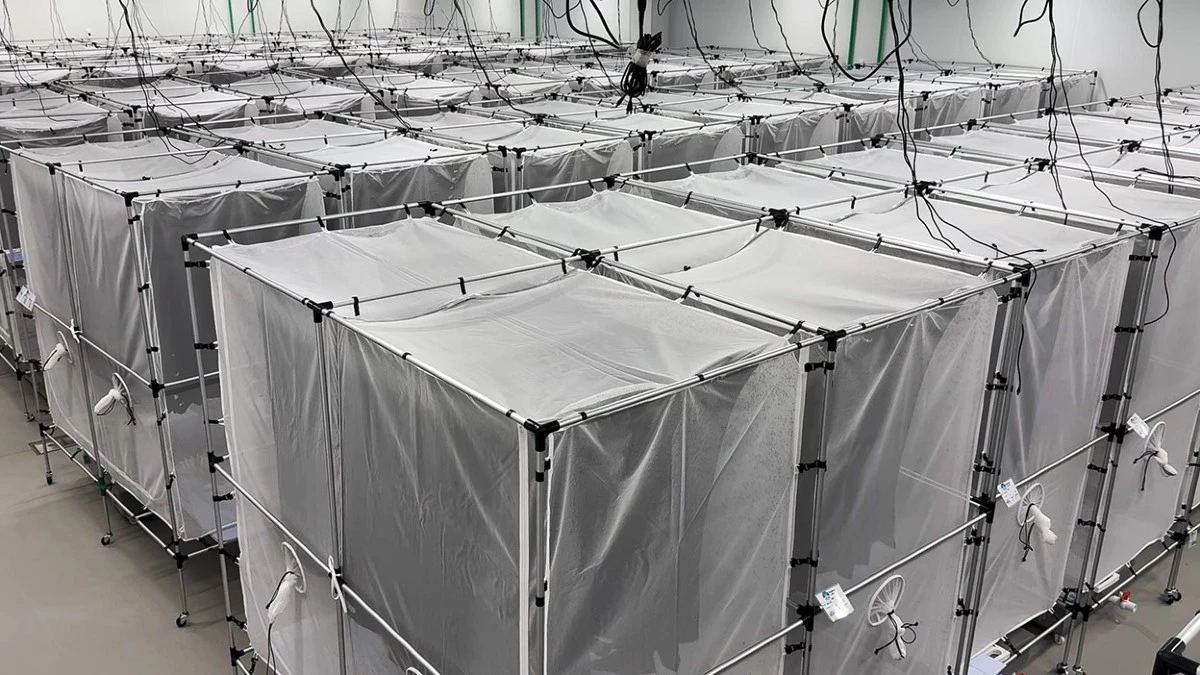
Brazil’s Mosquito Superfactory: How “Good” Bugs Could End Dengue.
One-stop reference
Company Intelligence
Every listed company in Latin America — financials, ownership and structure for 1,450+ companies across 26 exchanges, in one place.
Browse the directory →
RT
Ask Rio Times
17 years of Latin America reporting, on demand.
Open the full Ask Rio Times →

Luciano Moreira, Wolbito’s CEO, says the plant will protect 7 million people every six months and aims to shield 140 million Brazilians in the coming years. Since pilot releases began in 2014, eight cities have seen dengue dive by roughly 90%.

International trials in Indonesia showed a 77% drop in cases and an 86% fall in hospitalizations. In Brazil, treated neighborhoods record 64% fewer cases, plus a further 37% reduction in nearby zones.

Behind the science is a simple promise: let the bacteria do the work forever. Once Wolbachia takes hold in local mosquitoes, it passes from parent to offspring. No repeated insecticide spraying. No ongoing mass production costs—just a single, self-sustaining release cycle.

Inside the 3,500 m² Curitiba facility, automated systems sort, infect, and incubate eggs before specially equipped vans release adult mosquitoes into priority neighborhoods chosen for their high dengue rates.

Local health workers and more than 1,400 volunteers host monitoring traps and spread the word, ensuring community trust in a project that once sounded like fiction.

Brazil has already mapped expansion to 40 cities by year’s end, with new factories under construction in Fortaleza and imminent releases near Brasília.

The target: half the population covered within a decade. If it succeeds, Brazil will not only tame its own epidemic but offer a blueprint for dengue-ravaged nations worldwide.

This story isn’t just about high-tech insect labs—it’s about rethinking disease control. By turning mosquitoes into allies instead of enemies, Brazil may have found the simplest, most sustainable way to silence the “bone-breaking fever” once and for all.

This article was produced by The Rio Times’ automated newsroom system. How we use AI · Report an error

Read More from The Rio Times

The Rio Times · Power Map
See who really holds power in Latin America
Click to open the Power Map

Rotate for Best Experience

This report is optimized for landscape viewing. Rotate your phone for the full experience.