Brazil Implements Alcohol Ban for Upcoming Municipal Elections
Nine Brazilian states have enacted a temporary alcohol ban for the upcoming municipal elections on October 6.
This measure aims to ensure public safety and reduce alcohol-related incidents during the voting process. The ban affects states in the Amazon, Northeast, and Central-West regions of the country.
State security departments and local electoral courts have the authority to implement this prohibition. The ban will impact the sale of alcoholic beverages throughout the election weekend.
This decision reflects the government’s commitment to maintaining order during this crucial democratic event.
On October 6, approximately 155.9 million Brazilian voters will elect mayors and council members in 5,569 municipalities across the country
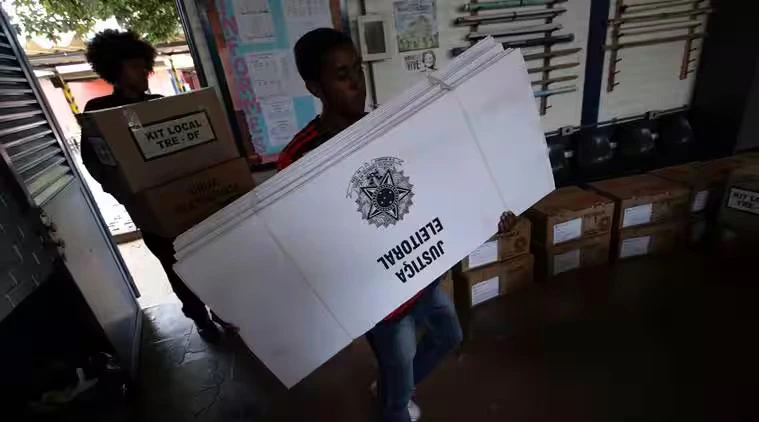
Some larger cities, including state capitals, may require a second round of voting if no candidate secures over 50% of the votes.
São Paulo, Brazil’s largest city and South America’s most populous urban center, stands as a key political battleground. The current mayor, Ricardo Nunes, seeks re-election against strong opponents.
These include Guilherme Boulos, supported by President Lula da Silva, and Pablo Marçal, a digital influencer aligned with former President Bolsonaro’s agenda.
Brazil Implements Alcohol Ban for Upcoming Municipal Elections
Recent polls suggest a tight race in São Paulo, with the three main candidates running neck-and-neck.
This election highlights the ongoing political divisions in Brazil following the 2022 presidential race.
The results may provide insights into the country’s evolving political landscape. If necessary, a second round of voting will take place on October 27.
This election cycle represents a significant moment for Brazilian democracy, as local leadership can greatly impact citizens’ daily lives.
The alcohol ban serves as one measure to ensure a smooth and safe voting process across the country.
This article was produced by The Rio Times’ automated newsroom system. How we use AI · Report an error
Read More from The Rio Times