Brazil Factory Prices Rise 0.98% in October
Price rises at Brazil’s factory gates slowed from September’s sharp jump, but they remain well above where they stood a year ago.

BRAZIL · ECONOMY
Brazilian factories charged 0.98% more for their goods in October than in September, the third monthly rise in a row. IBGE, the Brazilian Institute of Geography and Statistics, published its Producer Price Index on Thursday 26 November 2026.
Producer prices measure what makers charge at the factory gate, before tax and freight. For US readers who hold Brazilian stocks and bonds through funds, the monthly gains slowed in October while the annual rate climbed.
Key Facts
- The index Brazil’s Producer Price Index rose 0.98% in October, after 1.53% in September.
- The pace Factory-gate prices are up 5.84% over 12 months and 6.06% so far in 2026.
- The drivers Oil refining, paper, chemicals and food led the rise, while metals fell.
- Prediction markets Polymarket gives 70% to 2026 consumer inflation (IPCA) ending at 5.00% to 5.49% (26 November, 9:37 a.m. ET).
- Power Index Brazil ranks 1st of 14 in The Rio Times Latin America Power Index, with 74.2 points (November 2026 edition).
Price rises at Brazil’s factory gates slowed from September’s sharp jump, but they remain well above where they stood a year ago.

IBGE’s data show oil refining and biofuels raised prices most, by 3.16%, followed by paper and pulp at 2.38% and other chemical products at 2.28%. Food makers added 1.59%, and IBGE says dearer beef and chicken kept food the biggest single influence on the index.
Of the 24 industrial activities in the index, 15 raised prices, so the increase was broad and not limited to fuel and food. Metallurgy, which includes steelmaking, cut prices most, by 1.74%, ahead of makers of soaps and cleaning products at 1.07%.
The October rise is smaller than September’s but follows a 0.34% rise in August, so factory prices have now climbed for three months. Over the 12 months to October the index is up 5.84%, against 4.33% over the 12 months to September, according to IBGE’s database.
IBGE sets December 2018 at 100, and the index stood at 174.98 in October, which puts factory prices about 75% above that base. It read 170.67 in August and 173.28 in September, so the three-month climb is about 2.5%.
The index had fallen 0.83% in July, before the run of three rises began. Over 12 months, extraction prices are up 13.68% while manufacturing prices are up 5.48%, IBGE’s database shows.
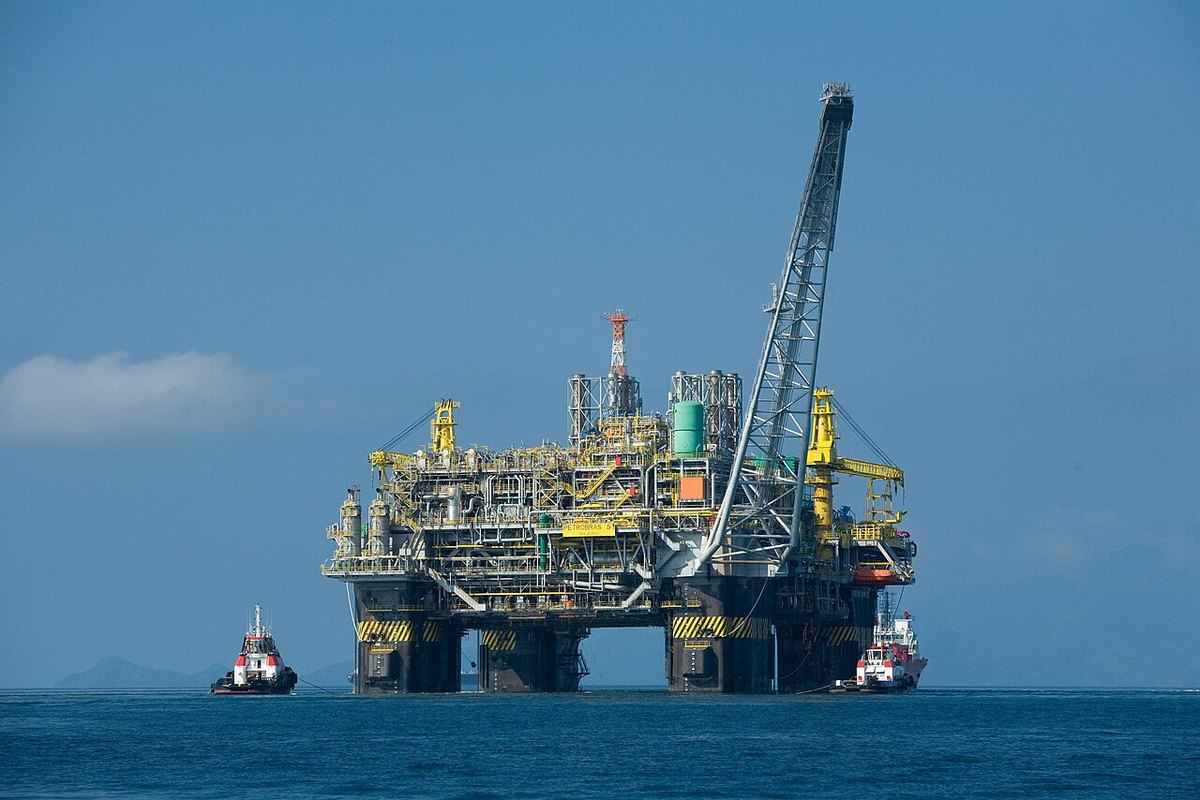
Mining and oil extraction, which IBGE counts separately, raised prices 0.84% in October after a jump of 11.04% in September. Extraction prices are up 14.01% so far this year, far faster than the 5.70% rise among manufacturers.
Refined fuels are up 7.86% since December and food 6.81%, IBGE’s figures show. The sharpest annual rise among manufacturers is in computers and electronic equipment, at 18.52%.
For investors in the United States, higher selling prices can lift factory revenue, while buyers of those goods face bigger bills. The index tracks prices charged in reais, so it says little about what Brazilian exporters earn abroad.
The producer index leaves out taxes and freight, so it shows what factories charge and not what shoppers pay. How much of this rise will reach shop prices is not yet known.
What Prediction Markets Say
On Polymarket, a US prediction-market platform where users bet real money, traders rate Brazil’s 2026 consumer inflation (IPCA, the official consumer price index) at 5.00% to 5.49% with 69.9%, against 13.0% for 5.50% to 5.99% and 11.5% for 4.50% to 4.99% (26 November 2026, 9:37 a.m. ET). The market has traded about US$287,000 so far.
Why we show this: prediction markets turn real-money bets into a live probability that moves within minutes of the news, which is why investors, campaigns and newsrooms in the United States now follow them closely. We show them next to polls and official results, never instead of them.
More: Brazil news in English, every day from The Rio Times.
Frequently Asked Questions
What Is Brazil’s Producer Price Index?
It tracks what factories and mines charge for their goods before taxes and freight. IBGE, the national statistics office, publishes it each month.
Do Higher Factory Prices Mean Higher Shop Prices?
Not automatically, because companies may absorb costs or pass them on later. Analysts therefore read the index next to consumer inflation.
Why Does This Matter to US Investors?
Funds with Brazilian holdings watch it because it shows how much Brazilian producers charge for what they sell. It is one signal among many.
Sources: IBGE (Brazilian Institute of Geography and Statistics), Producer Price Index, SIDRA, IBGE’s online database, table 6903, 26 November 2026; IBGE news release on the October Producer Price Index, 26 November 2026; Polymarket, Brazil Annual Inflation 2026 market, 26 November 2026.
This article was produced by The Rio Times’ automated AI newsroom. Editorial responsibility: Matthias Camenzind, Publisher and Editor-in-Chief. The Rio Times also runs Ask Rio Times, which answers from 100,000+ of our own articles, the daily Latin America Power Map, and prediction-market odds on elections and markets.. How we use AI · Report an error
Brazil runoff, Sunday, October 25: Brazil runoff: date, poll closing times and when results start. Latest: Brazil runoff polls, Flávio 51%, Lula 49%.