Brazil Audit Court Finds Gaps in Water Plan
Brazil’s audit court says Brasília lacks a regular check on whether its water-security works cut the risk of drought and floods, and the ministries have been asked to respond.
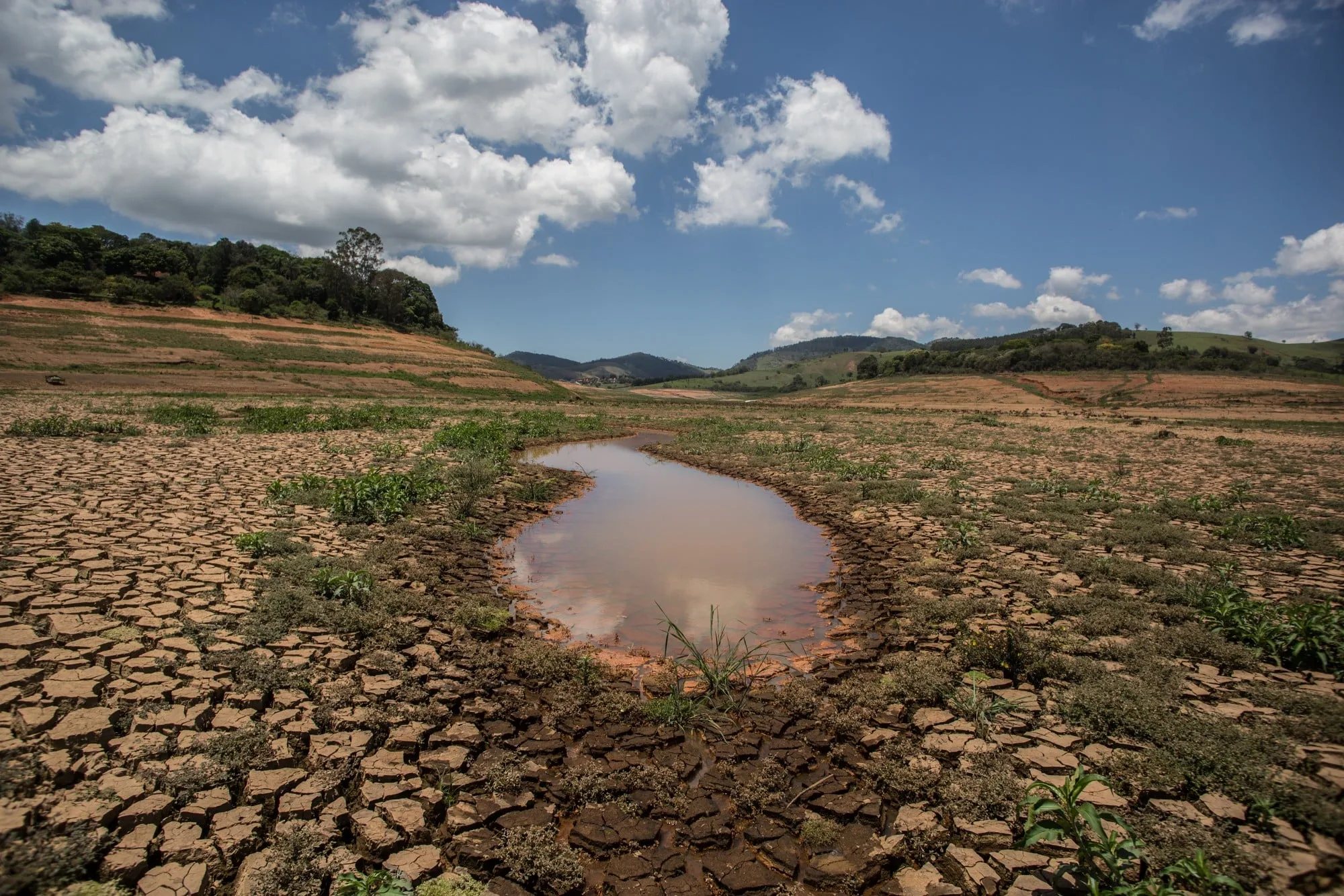
Climate: Brazil
Brazil’s federal audit court has found that the government does not regularly check whether its drought and flood projects work, according to a preliminary audit that emerged on Saturday 21 November 2026. The Tribunal de Contas da União (TCU), the court that checks how federal money is spent, sent the draft to the ministries concerned for comment, so the findings may change.
Brazil is a large supplier of coffee, soybeans, sugar and orange juice to the United States, so how it manages water reaches American shelves. It also runs on hydropower for much of its electricity, which makes droughts a risk to power supply as well as to farms.
Key Facts
- Who. The Tribunal de Contas da União (TCU), Brazil’s federal audit court, drafted the audit.
- What. Preliminary audit finds no regular evaluation of federal drought and flood projects.
- Where and when. Brazil; fieldwork September 2025 to June 2026, findings out Saturday 21 November 2026.
- Power Index. Brazil ranks 1st of 14 in The Rio Times Latin America Power Index, with 74.2 points (November 2026 edition).
- As of. 21 November 2026, 20:00 GMT.
Brazil’s audit court says Brasília lacks a regular check on whether its water-security works cut the risk of drought and floods, and the ministries have been asked to respond.
The roots go back to 2019, when TCU found in a 2019 ruling (Acórdão 2272/2019) that federal water-infrastructure investments had no long-term planning and no objective criteria for choosing projects. The same year Brazil created the Plano Nacional de Segurança Hídrica (PNSH), the National Water Security Plan, which guides works that reduce the risk of water shortage.
The new audit covers fieldwork from September 2025 to June 2026 and says the last evaluation report of the PNSH dates from 2022, with no systematic review since. It also finds delays in updating the plan’s strategic targets and no regular evaluation of investments and projects in water security.
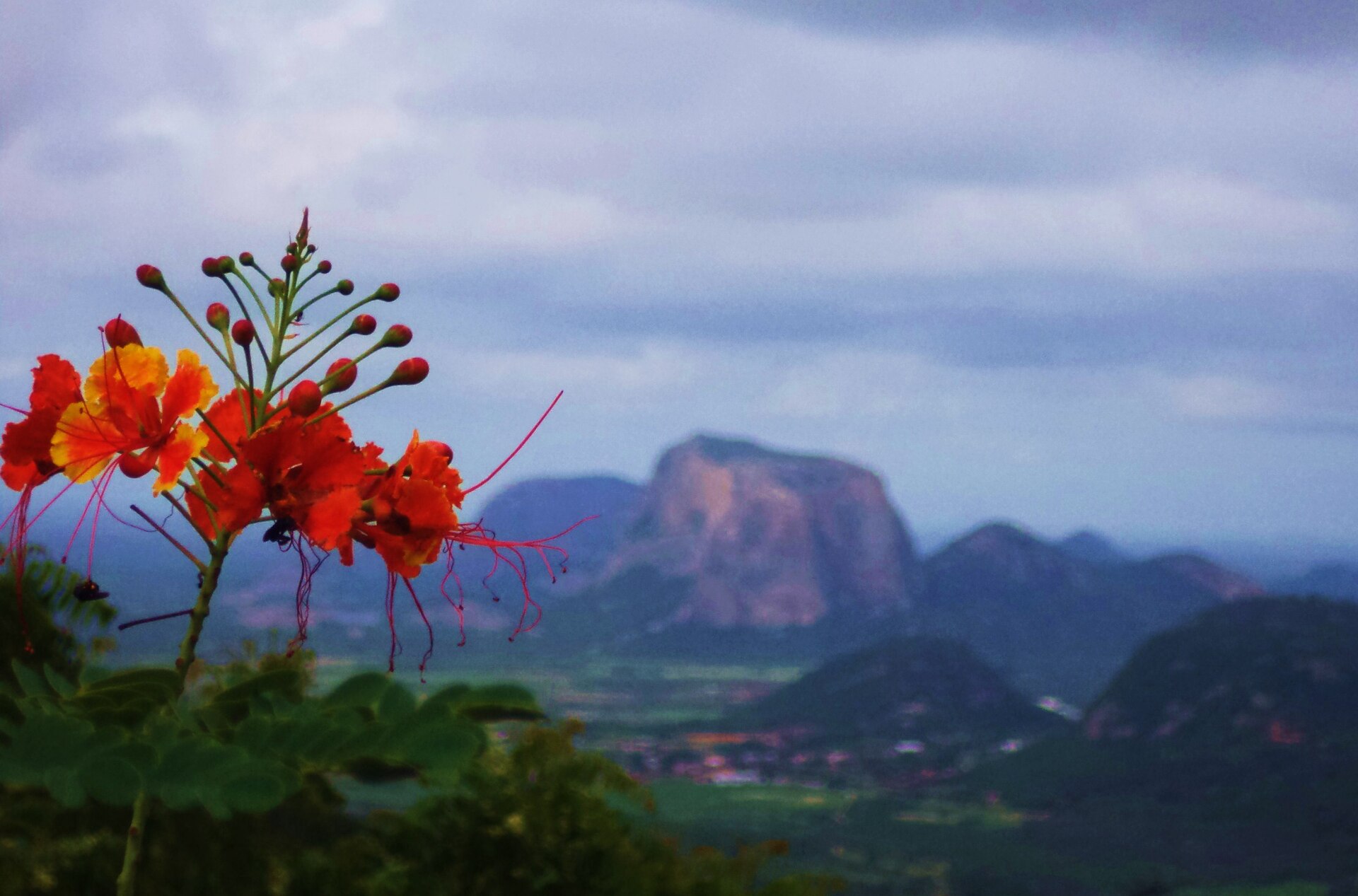
The cost of that gap is human. Between 2021 and 2023, droughts affected about 26.7 million people in the North and Northeast, and floods affected about 5.1 million people in the South, according to figures the audit cites.
Without regular reviews, the government cannot show which works actually lower that risk. The court also finds coordination problems among federal bodies, and says responsibility for coordinating national water-resources policy is unclear.
Federal planning gives less attention to river-basin recovery, cutting leaks in water-distribution networks and preserving natural areas than to large infrastructure. Put simply, the plan leans toward big construction over repairing leaking pipes and restoring the land around rivers.
Vulnerable groups lack specific enough indicators and targets, the audit says. They include Indigenous peoples, quilombola communities of descendants of escaped slaves, family farmers and isolated rural residents.
TCU recommends periodic reviews of water-security projects, greater integration between environmental and water-resources policy, and clear mechanisms to monitor results. They are still recommendations in a draft, open to change after the ministries reply.
Those three steps answer the gaps the audit lists: stale reviews, split coordination and weak targets for vulnerable groups. Together they would let the government show which works lower risk.
The Ministry of Integration and Regional Development said on Saturday 21 November that it will wait for the audit’s conclusion before judging the recommendations. It added that it is preparing a new monitoring bulletin.
ANA, the national water agency, said it monitors water-security actions jointly with the ministry. The Environment Ministry said its technical teams are reviewing the report.
The findings describe missing evaluation rather than named failed projects. That distinction matters, because the audit says what the government cannot show, not that a particular dam or canal failed.
Sabesp, São Paulo’s water utility, is listed in New York, so water planning in Brazil also reaches US investors’ portfolios. The Amazon drought shows how a dry season reaches households across the region.
The audit’s case number and reporting minister have not been published, and TCU has not named a date for its final ruling. Until the report is released, the ministries’ answers are the only official reaction.
Frequently Asked Questions
What is the TCU?
It is Brazil’s federal audit court, which checks how the government spends money and runs programmes. Its findings on water security stay preliminary until it publishes the final text.
What does the audit want changed?
It recommends regular reviews of water-security projects, closer links between environmental and water policy, and clear ways to track results. The ministries are still replying.
Why does a Brazilian water plan matter abroad?
Droughts and floods hit farm output and hydropower in a country that sells food to the United States. Better planning lowers that risk.
Sources
Published Saturday 21 November 2026 · Source: preliminary TCU audit of federal water security; statements by the ministries and the water agency; Tribunal de Contas da União · Ministry of Integration and Regional Development · ANA · Ministry of Environment
Connected Coverage
Brazil news · Amazon Drought Hits 146,000 Families · Sabesp Profit Falls in Third Quarter · World Bank El Niño Response · Latin America Power Map
This article was produced by The Rio Times’ automated AI newsroom. Editorial responsibility: Matthias Camenzind, Publisher and Editor-in-Chief. The Rio Times also runs Ask Rio Times, which answers from 100,000+ of our own articles, the daily Latin America Power Map, and prediction-market odds on elections and markets.. How we use AI · Report an error
Brazil runoff, Sunday, October 25: Brazil runoff start time and results schedule. Latest: Brazil runoff polls, Flávio 51%, Lula 49%.