
BOTSWANA · ENERGY
Key Facts
- —The country Botswana is a landlocked Southern African country of about 2.4 million people, known for diamonds and led by President Duma Boko.
- —What happened On Monday 19 October 2026, the head of the national energy regulator said a bill to allow power trading and independent transmission providers will go to Parliament in November.
- —The regulator The Botswana Energy Regulatory Authority, known as BERA, licenses and oversees electricity and fuel; its chief executive is Never Tshabang, who spoke in Francistown.
- —The gap Imports supply about 35% of Botswana’s electricity demand, and peak demand is about 700 megawatts, according to the energy minister’s March budget speech.
- —The bill It would recognise independent transmission providers, meaning private firms that build and run high-voltage lines, and introduce power trading between buyers and sellers.
- —The cost The state paid about P2.5 billion (about US$179 million) to the state utility in the 2025/26 budget year because tariffs sit below the cost of supply.
- —Still open The bill text, the licence rules for private line owners and the date of the vote have not been published.
Botswana power trading and privately owned high-voltage lines will go to Parliament in November, its energy regulator said on Monday 19 October 2026. The plan matters to foreign investors because Botswana imports about 35% of the electricity it uses.
Never Tshabang, chief executive of the Botswana Energy Regulatory Authority (BERA), gave the date at the National Business Conference in Francistown, Mmegi reported. Mmegi is a newspaper based in Gaborone, the capital.
What the Regulator Announced in Francistown
Tshabang told the National Business Conference in Francistown, Botswana’s second city, that amendments to the BERA Act are due in Parliament’s November sitting. BERA is the state body that licenses electricity and fuel suppliers and sets the rules they follow.
The changes will recognise independent transmission providers and introduce Botswana power trading, Mmegi reported on Monday 19 October. Mmegi tied the move to a rise in national electricity generation, with projects under way or planned across the country.
What Private Transmission and Power Trading Mean
Transmission lines carry electricity at high voltage from power stations to the local networks that supply homes and firms. At present the state utility, Botswana Power Corporation, owns and runs that backbone alone.
Botswana power trading would let producers sell electricity to buyers under set rules, instead of selling only to the state utility. The energy ministry has said it wants Botswana to become a regional energy hub and to open its power market to private investors.
Why Botswana Needs More Power
Energy minister Bogolo Joy Kenewendo told Parliament in March that peak demand is about 700 megawatts and yearly consumption about 4,800 gigawatt-hours. Imports cover about 35% of that demand, while the Morupule A and B coal plants deliver an average of about 400 megawatts.
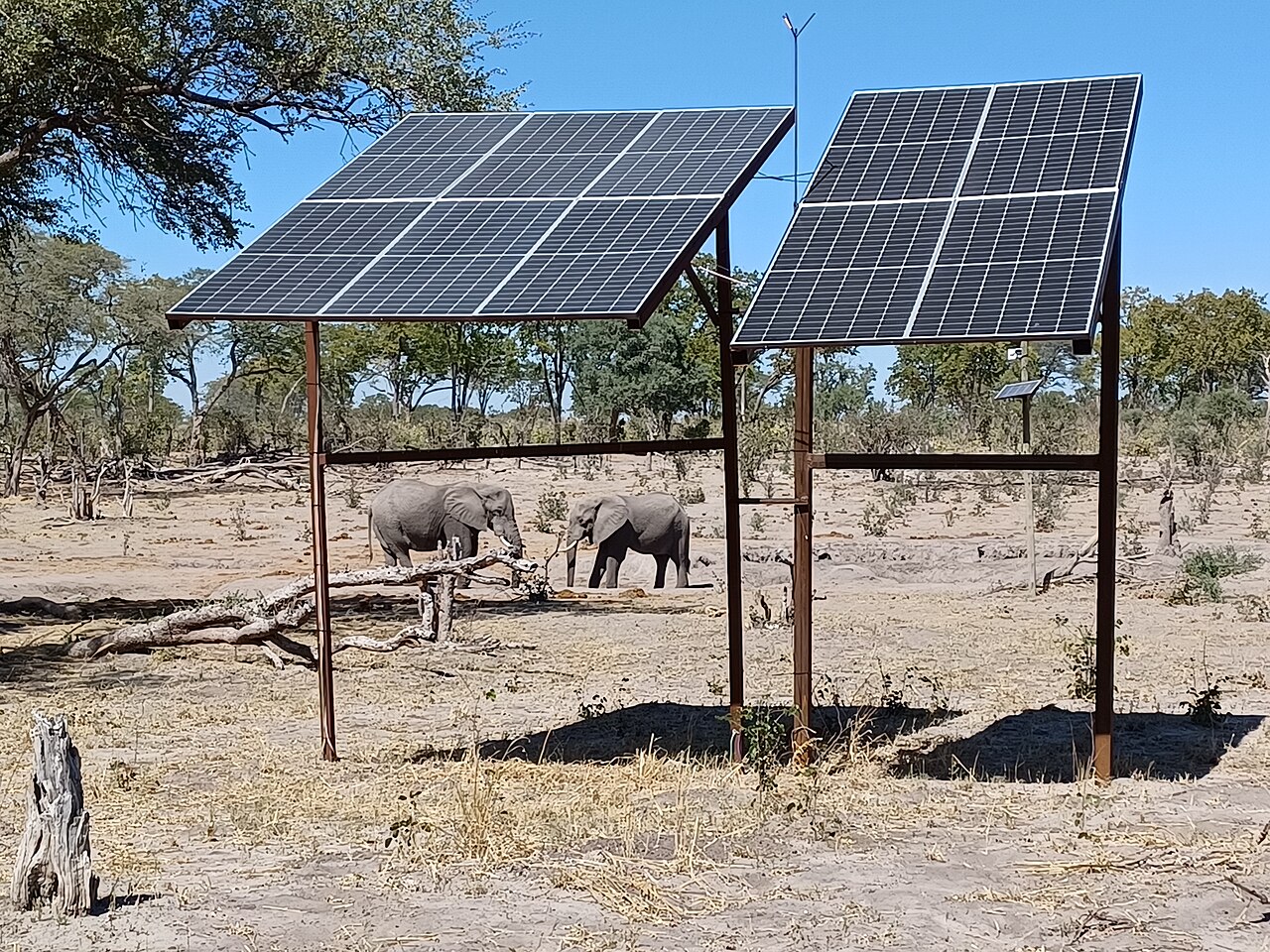
Solar is meant to close part of the gap, and the minister listed new plants at Mmadinare, Jwaneng, Bobonong and Shakawe. A 600-megawatt coal plant at Mmamabula, built by a private producer, has begun construction, with its first 300 megawatts due in early 2027.
The Bill for the State Utility
The average tariff is about 148 thebe per kilowatt-hour (about US$0.11), below what supply costs, the minister said in March. The state paid the utility P2.5 billion (about US$179 million) in 2025/26 and budgeted P3 billion (about US$214 million) for 2026/27.
Private capital in lines and Botswana power trading could ease that burden on the budget. Botswana’s finances are already tight after Moody’s, the credit rating agency, cut the country’s rating as diamond sales slumped, as the Rio Times reported.
What It Means for US Readers
American infrastructure funds, equipment makers and project lenders would gain a legal route into Botswana’s grid if Parliament passes the bill. Dollar-earning firms such as miners and exporters also depend on steady power, so supply there affects the whole economy.
Botswana is a long-standing multiparty democracy, and its foreign reserves are at a 23-month high, as the Rio Times covered on 14 October. Investors should still watch tariff rules, because the state sells power below cost at present.
What Is Not Known
The text of the bill has not been published, so the licence terms for private line owners are open. It is also open whether foreign companies may own lines outright or only in partnership with the state.
No date for the final vote has been given, and Parliament may amend the bill. The pricing rules for Botswana power trading, and who will buy the power, have not been announced.
More: Africa news in English, every day from The Rio Times.
Frequently Asked Questions
What did Botswana’s energy regulator announce?
BERA chief executive Never Tshabang said on 19 October that amendments to the BERA Act will go to Parliament in November. They recognise independent transmission providers and introduce power trading.
What is an independent transmission provider?
It is a private company that builds and runs high-voltage power lines under a regulator’s licence. At present the state utility, Botswana Power Corporation, controls this part of the grid.
How much electricity does Botswana import?
Imports cover about 35% of national demand, according to the energy minister’s March budget speech. Peak demand is about 700 megawatts.
Why does Botswana power trading matter to investors?
Botswana power trading lets producers sell to several buyers under clear rules, which can make private plants easier to finance. The rules and prices have not yet been published.
When will Parliament decide?
The amendments are due for debate in the November sitting. No vote date has been announced.
Sources: Mmegi, BERA Act amendments to boost transmission investment, 19 October 2026; Botswana Ministry of Minerals and Energy, Committee of Supply speech 2026/27, 4 March 2026.
This article was produced by The Rio Times’ automated newsroom system. How we use AI · Report an error · Editorial responsibility: Matthias Camenzind, Editor-in-Chief