
BOTSWANA · INFLATION
Key Facts
- —The country Botswana is a landlocked southern African democracy of about 2.6 million people, and one of the world’s leading diamond producers by value.
- —What happened Statistics Botswana, the national statistics office, said on Thursday 15 October that annual inflation fell to 7.8% in September from 9.3% in August.
- —The numbers Prices rose 0.1% over the month, and the annual rate is still above the 3% to 6% target.
- —The drivers Transport still supplies 4.0 of the 7.8 percentage points, while cheaper vegetables pulled food prices down 0.6% in the month.
- —The central bank The Bank of Botswana holds its policy rate at 5.5% and next meets on 29 October.
- —Still open The bank expects inflation to stay above its target range until the first quarter of 2027.
Botswana inflation slowed to 7.8% in September from 9.3% in August, Statistics Botswana reported on Thursday 15 October. It is the third straight monthly slowdown since inflation peaked at 10.7% in June.
For US investors weighing Botswana’s investment-grade debt, the drop eases pressure on the central bank to raise rates again. Botswana inflation is still above the bank’s 6% ceiling, so rate cuts are not yet in sight.
What Statistics Botswana Reported
Statistics Botswana, the government agency that measures prices, said the national consumer price index rose 0.1% from August to September. The index moved from 149.5 to 149.6, with December 2018 set at 100.
The annual rate of 7.8% is 1.5 percentage points below August’s 9.3%. In July it stood at 9.4%, and in June it peaked at 10.7%, according to the Bank of Botswana’s figures.
Rural villages saw the fastest annual price growth at 8.6%, against 7.7% in urban villages and 7.4% in cities and towns. All three groups slowed from August.
What Pushed Prices Up and Down
Transport remains the biggest single driver and contributed 4.0 percentage points to the annual rate, down from 5.1 points in August. Transport prices are 15.0% above a year ago, after the fuel price shock of March.
Miscellaneous goods and services added 1.1 points, housing and utilities 0.7, food 0.7, and alcohol and tobacco 0.4. Communication was the only group cheaper than a year ago, down 0.9%.
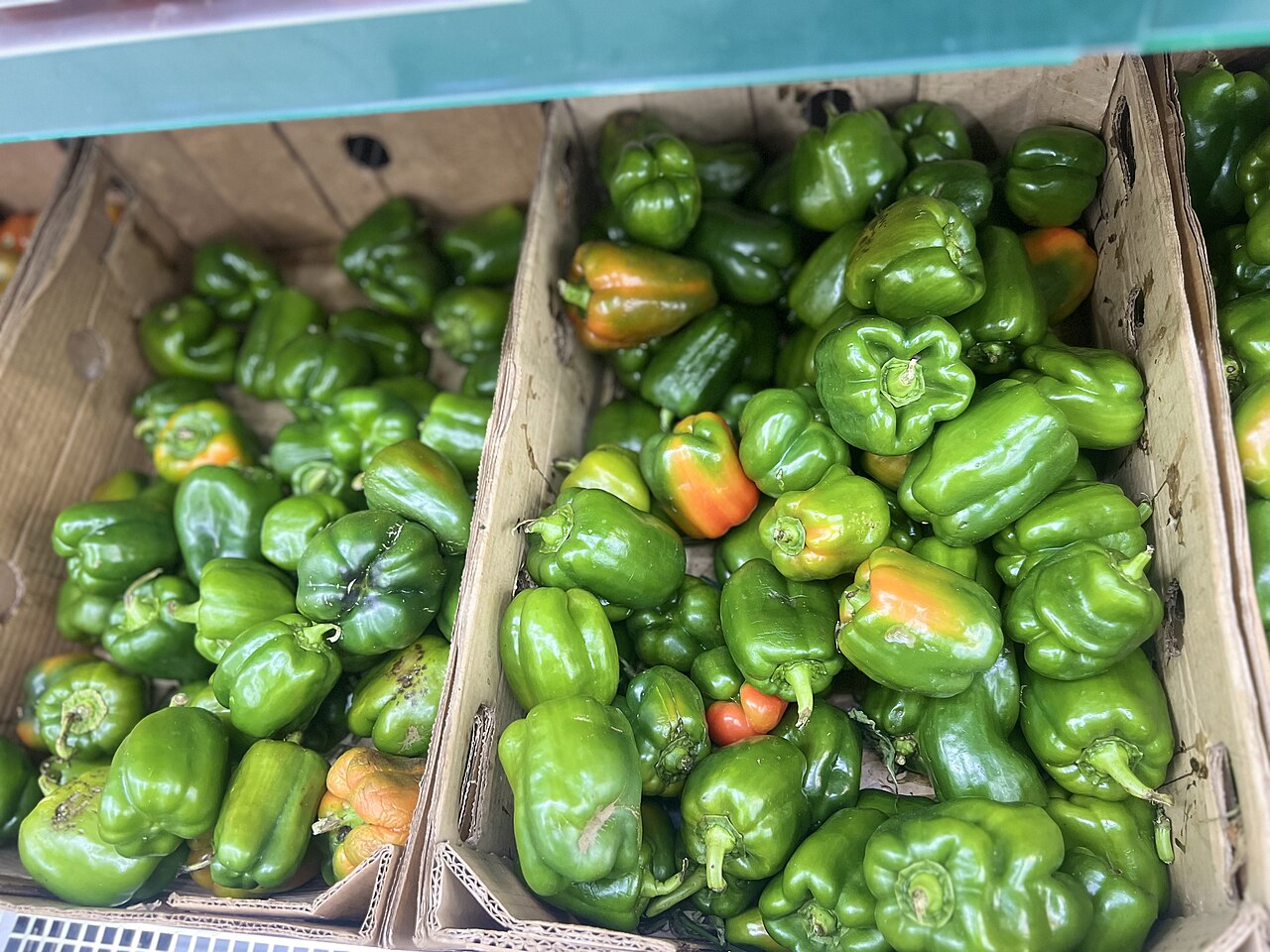
Month on month, housing, water, electricity and fuels rose 0.6%, which the statistics office mainly tied to rent and maintenance materials. Food and non-alcoholic drinks fell 0.6%, led by a 3.0% drop in vegetable prices.
Why the Annual Rate Fell So Fast
Much of the drop in Botswana inflation comes from last year’s comparison month. In September 2025 the annual rate jumped to 3.7% from 1.4% on dearer fuel and food, which makes this September look milder by comparison.
Trimmed-mean core inflation, which strips out the biggest price swings, fell to 7.4% from 8.3%. Inflation excluding government-set prices dropped to 5.3% from 5.9%.
Imported goods tell the same story for Botswana inflation, with prices of imported tradeables up 9.9% on the year against 13.0% in August. Prices of goods and services made and sold at home rose 6.1%, barely changed from 6.2%.
What the Central Bank Does Next
The Bank of Botswana, the central bank led by Governor Lesego Moseki, raised its policy rate by 2 percentage points to 5.5% on 30 April. It kept the rate there on 18 June and again on 27 August.
The bank targets inflation of 3% to 6% and expects prices to stay above that range until the first quarter of 2027. It forecasts average inflation of 7.9% this year and 4.9% in 2027.
Its Monetary Policy Committee, the panel that sets the rate, next meets on 29 October. A fall in domestic fuel prices on 7 July already cut headline inflation by 2.3 percentage points, according to the government news agency BOPA.
What It Means for US Readers
Botswana depends on diamonds for about one third of government revenue and about three quarters of foreign-exchange earnings. Moody’s cut its credit rating to Baa2 on Friday 25 September, still two notches above junk.
Slower Botswana inflation helps bondholders, because it eases pressure for rate rises that would lift the state’s borrowing costs. A steadier pula also matters here, since the country holds foreign reserves of about US$4.4 billion, the highest since July 2024.
US companies that buy Botswana’s diamonds or safari services are unlikely to feel the change directly. Visitors will still find prices higher than a year ago, though rising more slowly than in June.
What Is Not Known
Whether the Bank of Botswana keeps its rate at 5.5% on 29 October is not yet known. The bank expects Botswana inflation to stay above 6% for several more months.
Fuel and electricity price decisions in the coming weeks could push the headline rate back up. The weak diamond market also leaves the government’s income and spending plans uncertain.
More: Africa news in English, every day from The Rio Times.
Frequently Asked Questions
What is Botswana’s inflation rate now?
Statistics Botswana reported annual inflation of 7.8% for September 2026, down from 9.3% in August. Prices rose 0.1% from the previous month.
Is Botswana’s inflation within the central bank’s target?
No. The Bank of Botswana targets 3% to 6%, and the September rate of 7.8% is above the top of that range. The bank expects it to stay above the range until the first quarter of 2027.
What is the Bank of Botswana’s interest rate?
The Monetary Policy Rate is 5.5%, set after a 2 percentage point rise on 30 April 2026. The next Monetary Policy Committee meeting is on 29 October.
What drives prices in Botswana?
Transport, mostly fuel, is the largest contributor, adding 4.0 of the 7.8 percentage points. Miscellaneous goods and services, housing and food add smaller amounts.
Why does the pula matter for inflation?
Botswana imports most of its fuel and many foods, so a weaker pula raises their prices. A steadier pula therefore helps keep inflation down.
Sources: Statistics Botswana, Consumer Price Index September 2026, 15 October 2026; Statistics Botswana, latest releases, 15 October 2026; Bank of Botswana, 14 October 2026; BOPA via Daily News (Gaborone), August inflation, 17 September 2026; BOPA via Daily News (Gaborone), Bank of Botswana outlook, 31 August 2026; allAfrica, September 2025 inflation, 1 November 2025.
This article was produced by The Rio Times’ automated newsroom system. How we use AI · Report an error · Editorial responsibility: Matthias Camenzind, Editor-in-Chief
LatAm Markets: Live Signals → — real-time movers, turnover leaders and FX across Latin America.