
Economy: Bolivia
Key Facts
—Who. Bolivia’s government and the International Monetary Fund (IMF), which approved a 36-month loan programme of about US$1.9 billion.
—What. The programme document foresees retail fuel prices reaching international levels in early 2027, with the subsidy falling from 6.2% of GDP in 2025 to 2.9% in 2026 and zero in 2027, according to Unitel.
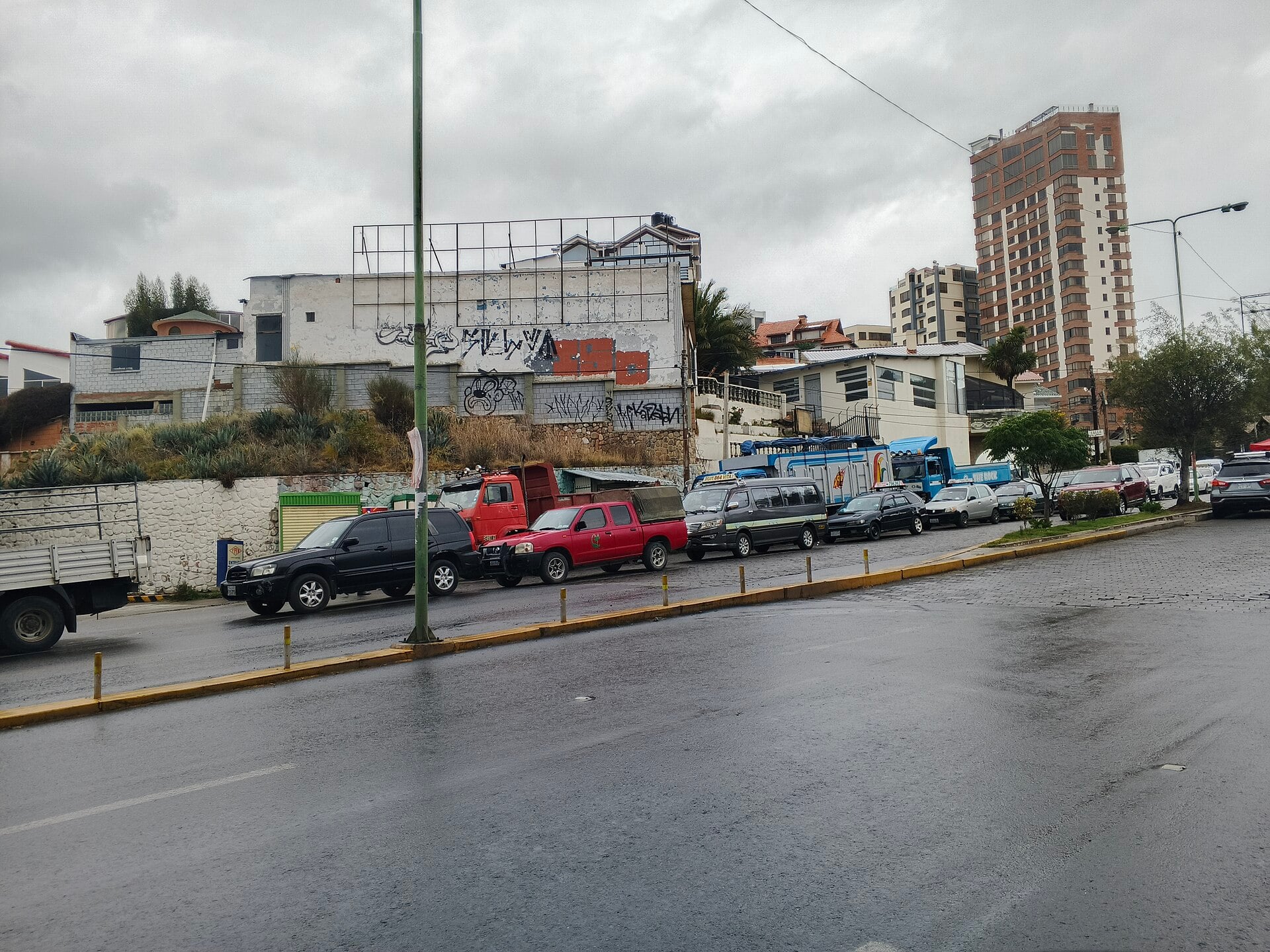
—Where. Bolivia, where fuel queues and diesel protests have marked the past weeks.
—When. Reported on Wednesday 7 October 2026; the IMF Board approved the programme on Friday 2 October 2026.
—US link. At the official rate, Bolivian gasoline costs about US$2.20 a gallon and diesel about US$5.68, against US averages of US$4.37 and US$6.30 (AAA, 7 October).
—As of. 7 October 2026, 23:55 GMT.
Bolivia’s agreement with the International Monetary Fund foresees fuel prices reaching international levels in early 2027, according to the programme document as reported by the Bolivian broadcaster Unitel on Wednesday 7 October 2026. The plan would end a subsidy that cost the state an estimated 6.2% of economic output in 2025.
What We Know
The IMF Executive Board approved Bolivia’s programme on Friday 2 October 2026, and approved an immediate disbursement of about US$214 million. The arrangement is a 36-month Extended Fund Facility worth about US$1.9 billion, first announced as a staff-level agreement on Wednesday 29 July.
Unitel says the document aligns retail fuel prices with international prices in early 2027, in line with Supreme Decree 5652. It reports subsidy costs of 6.2% of gross domestic product (GDP) in 2025, 2.9% in 2026 and 0% in 2027.
The plan also provides for an automatic price mechanism based on the cost structure of the fuel sector and for more private firms in fuel imports and distribution. Unitel adds that the pricing parameters are to be published regularly and that contingency plans are required, because prices are sensitive to the exchange rate and to world fuel prices.
Visión 360 quotes the IMF’s Deputy Managing Director, Nigel Clarke, calling fiscal sustainability the central axis of the programme. It reports that he said the remaining fuel subsidies would be removed gradually through the automatic mechanism.
What Fuel Costs Now
In December 2025 the government set gasoline at Bs 6.96 a litre, according to Unitel. At the official rate of Bs 11.97 per US$ on Wednesday, that is about US$0.58 a litre, or roughly US$2.20 a gallon.
The US average for regular gasoline was US$4.37 a gallon on 7 October, according to AAA. The comparison is not like for like, because the US price includes taxes, but it shows how cheap Bolivian fuel is by US standards.
Diesel is different: Supreme Decree 5716 of 18 September ended the diesel subsidy, and the price rose from Bs 9.80 to Bs 17.95 a litre from Saturday 19 September, according to Red Uno. That is about US$1.50 a litre, or US$5.68 a gallon, against a US diesel average of US$6.30 on 7 October.
What Is Not Known
We could not open the IMF document itself, so the subsidy percentages and the early-2027 date rest on Unitel’s reading of it. The price freeze under Decree 5652 runs to mid-January 2027, according to Bolivian outlets that differ by a day, and a later decree lifted it for diesel.
It is also unclear how much prices will rise at each step and when the automatic mechanism will first apply. The programme depends on regular reviews, and payments after the first are subject to them.
What It Means for US Readers and Investors
For US readers, this is a test of whether a government can remove fuel subsidies without losing public support. In Bolivia, an Indigenous nation in Oruro declared an emergency over diesel prices on Sunday 4 October, and fuel queues persisted on Monday.
A smaller subsidy would ease pressure on the budget and on the dollars the state has to find. It would also raise costs for drivers, transport firms and farmers who pay far less than world prices for gasoline.
For investors in Bolivian debt and for firms that sell into the country, the key dates are the programme reviews, which Minister Christian Morales says will release further payments every quarter. Watch for the first price change under the automatic formula and for any protest response.
We reported the US$214 million disbursement on Saturday, and the business lobby’s proposal to float the petrol price at world levels this week. Together they show how quickly the debate has moved from whether to reform to how fast.
More: Bolivia news in English, every day from The Rio Times.
Frequently Asked Questions
What does the IMF programme say about Bolivia’s fuel prices?
According to Unitel, the document aligns retail fuel prices with international prices in early 2027, with an automatic price mechanism and more private firms in imports. Subsidy costs fall from 6.2% of GDP in 2025 to zero in 2027.
How much has Bolivia received from the IMF?
The IMF Executive Board approved an immediate disbursement of about US$214 million on Friday 2 October 2026. The 36-month programme is worth about US$1.9 billion, with further payments tied to reviews.
How cheap is Bolivian gasoline in US dollars?
Gasoline set at Bs 6.96 a litre is about US$0.58 a litre, or roughly US$2.20 a gallon, at the official rate of Bs 11.97 per US$ on 7 October 2026. The US average was US$4.37 a gallon, but it includes taxes.
What is still unconfirmed?
We could not open the IMF document, so the subsidy percentages and the early-2027 date rest on Unitel’s reading of it. The path for gasoline prices after the freeze ends is not spelled out in the reports.
Sources
IMF press release of 29 July 2026 · Unitel · Visión 360 · Red Uno · Banco Central de Bolivia · AAA gas prices · Red Uno (diesel decree)
Connected Coverage
This article was produced by The Rio Times’ automated newsroom system. How we use AI · Report an error · Editorial responsibility: Matthias Camenzind, Editor-in-Chief
In depth