Asia Intelligence Brief — Sunday, September 13, 2026
Executive Summary
Asia Intelligence Brief for September 13: BRICS adopts the New Delhi Declaration on day one, Modi and Xi pursue a reset, the Philippine ferry toll rises to 76 dead, a second ferry capsizes off Java, and the Bank of Korea tracks the supply-chain rerouting.
Asia Intelligence Brief — Sunday, September 13, 2026
Key Facts
- The declaration. BRICS leaders adopted the New Delhi Declaration on the opening day of their summit in India’s capital, with Narendra Modi pressing for equal participation in global rule-making and Security Council reform.
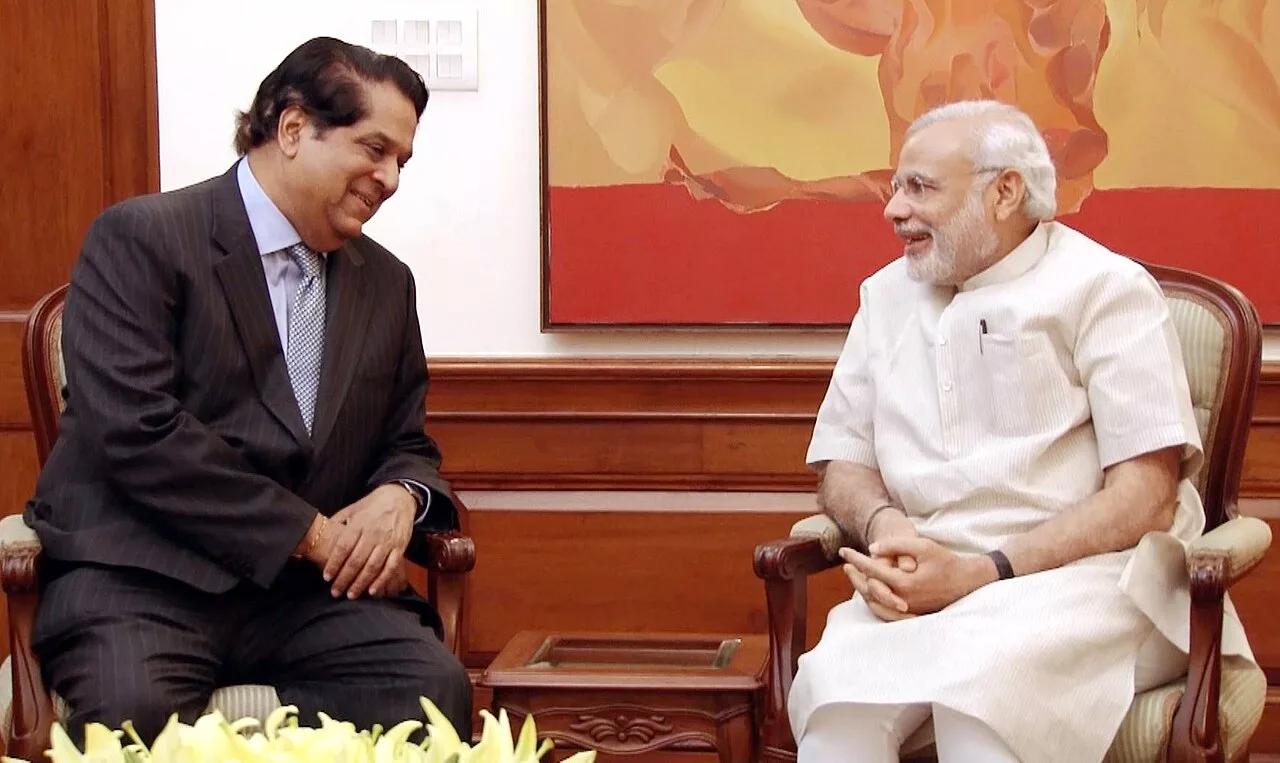
- The reset. Modi and Xi Jinping used the summit to pursue a reset of India–China ties; Xi received the red carpet in New Delhi as both sides spoke of peace along the boundary.
- The ferries. The Philippine ferry fire’s toll rose to seventy-six dead with thirteen unaccounted for by Sunday, Anadolu and wire reports say — after Reuters carried thirty-five dead and fifty-three missing on Saturday. Both snapshots are printed with their outlets and dates.
- The capsize. A ferry capsized off Java in bad weather; CNA reports six dead and more than one hundred twenty missing, with around one hundred rescued.
- The rerouting. More South Korean semiconductors and components now reach American buyers through Southeast Asian plants than through China, a Bank of Korea report published today finds.
- The prize. Lee Chang-dong’s “Possible Love” took the Silver Lion Grand Jury Prize at the Venice film festival on Saturday — Korea’s soft power collecting hardware while its supply chains move house.
Sunday in Asia is a summit day with a body count. In New Delhi the architecture of a rival order is being drafted over tea, and on the seas of Southeast Asia families are learning the price of a ferry ticket. The region’s temperament today is split cleanly in two: capitals performing confidence, coasts absorbing grief. Both are real, and neither cancels the other.
Read in English, Hindi, Mandarin, Korean, Bahasa and Filipino, across the region’s largest outlets and our own Asia desk.
New Delhi: The Declaration Before The Dinner
BRICS leaders adopted the New Delhi Declaration on the summit’s opening day, The Hindu reports, with Modi demanding equal participation in global rule-making and a reformed Security Council. Adopting the communique first and negotiating after is the host’s oldest trick — it turns a meeting into an accomplishment before the disagreements can speak.
The day’s heavier signal was bilateral. Modi and Xi used the sidelines to pursue a reset, Beijing’s man received the red carpet, and China’s foreign ministry spoke of staying committed to peace and tranquility in border areas. Two capitals that spent years measuring the Himalayas against each other have decided, for now, that the frontier is cheaper as a talking point than as a front line. Nobody at the summit said the word “trust”; everything about the staging said “management”.
Two Seas, Two Ferries
In the Philippines, authorities began identifying victims of Saturday’s ferry fire, and the toll has moved with the counting: Reuters carried at least thirty-five dead and fifty-three missing on Saturday; by Sunday, Anadolu and wire reports put the toll at seventy-six dead with thirteen unaccounted for. This brief prints both snapshots with their outlets and dates, because the movement between them is itself the news — identification is still under way, and the sea has not finished answering.
Off Java, a second ferry capsized in bad weather on Sunday; CNA reports six dead and more than one hundred twenty missing, with around one hundred rescued. Two ferries, two archipelagos, one weekend: the region’s maritime psychogram is a familiarity with the water that has curdled into fatalism. Ferries are the buses of island nations, and they are boarded with the same fatalism as buses — which is exactly why the tolls keep rhyming.
Seoul Moves The Factory, Keeps The Trophy
The Bank of Korea, in a report published Sunday, finds that more South Korean semiconductors and electronic components now reach American buyers through Southeast Asian factories than through plants in China. The supply chain is not leaving China loudly; it is leaving through the side door, one routing table at a time.
The same weekend handed Korea its cultural counterweight: Lee Chang-dong’s “Possible Love” won the Silver Lion Grand Jury Prize at Venice on Saturday. A country anxious about where its chips are made is unbothered about where its films are loved. Seoul’s temperament today is the quiet confidence of a capital that has learned to hedge everything except taste.
The Supporting Cast: Tokyo And Astana
Japan’s weekend contribution is procedural: the Quad partners — India, Australia, Japan and the United States — held a tabletop exercise in Tokyo on 3–4 September to advance their Indo-Pacific logistics network, NewsonAir reports, the kind of drill that exists so that a real emergency is not the first rehearsal. Astana, meanwhile, sent President Tokayev to the BRICS outreach session in New Delhi, where he spoke of resilience, innovation and stability, the Times of Central Asia reports — Central Asia’s way of being in the room without being in the argument.
Neither story moves a market; both mark the region’s furniture. The Quad drilling logistics and Kazakhstan reciting resilience are what a continent’s risk management looks like when it is working as intended — unglamorous, and only visible when it fails.
What This Means From Latin America
The New Delhi summit matters in Latin America for a structural reason: BRICS is the club Brazil sits in, and a declaration drafted in Delhi is a text Brasilia will be asked to defend. A bloc that adopts its communique on day one is a bloc learning to act like the institutions it criticises — Latin America has a century of experience with institutions whose declarations precede their deeds.
The Korean rerouting is the more practical lesson. If components for the American market can be made in Vietnam instead of China, they can be made in Mexico instead of Vietnam — the logic that moves factories through Southeast Asia is the same logic that built the maquiladora belt, and it is watching this weekend’s numbers too.
What We Are Watching
- The final text of the New Delhi Declaration — what survived the drafting, and what was traded away for it.
- Whether the Modi–Xi reset produces a named mechanism on the boundary, or only staging.
- The two ferry tolls as identification proceeds — and whether the Philippine counts converge.
- Follow-through on the Bank of Korea’s rerouting finding: policy, or just a report.
- Iran and the UAE’s “turn the page” bonhomie in Delhi, and what Riyadh makes of it.
- Whether the Quad’s logistics network gets a funding line after its tabletop.
Asia’s Sunday holds two truths at once: a summit drafting the next order, and ferries sinking under the present one. The declaration will be analysed for weeks; the missing will be searched for days. The region’s discipline is its ability to keep both ledgers open — and its tragedy is how practised it has become at doing so.
Frequently Asked Questions
What did the BRICS summit in New Delhi actually decide?
It adopted the New Delhi Declaration on day one, with India pressing for equal participation in global rule-making and Security Council reform. The early adoption is itself the story: the host converted procedure into momentum before dissent could organise.
How many died in the Philippine ferry fire?
The counts have moved with the counting: Reuters carried at least thirty-five dead and fifty-three missing on Saturday; by Sunday, Anadolu and wire reports put the toll at seventy-six dead with thirteen unaccounted for. Identification is under way; this brief prints both snapshots with their outlets and dates rather than reconciling them.
Is the India–China reset real?
It is staged, which is not the same as fake. Xi received the red carpet, both sides spoke of border tranquility, and neither signed anything enforceable. Treat it as management of a rivalry, not its resolution.
What is the Bank of Korea saying about supply chains?
That more Korean semiconductors and components now reach American buyers via Southeast Asian factories than via China — a quiet, statistical confirmation that decoupling is happening through logistics rather than proclamations.
Sources: The Hindu, Anadolu, Reuters, NDTV, Aju Press, CNA, Al Jazeera, The Guardian, Times of Central Asia, and the Rio Times Asia desk. Conflicting tolls are printed as conflicts, with their outlets and dates.
This article was produced by The Rio Times’ automated newsroom system. How we use AI · Report an error