Afinia Says Public Bodies Owe It US$119M
Afinia says unpaid bills from hospitals, schools and water utilities are squeezing its grid spending, and the state oversight office is now asking for the numbers.

Electricity: Colombia
Afinia, the electricity distributor serving Colombia’s Caribbean region and a subsidiary of EPM, the Medellín-owned public utility group, said public entities owe it about 430,000 million pesos (COP 430 billion, about US$119 million). The company made the statement on about 23 and 24 November 2026, as reported by El Universal, a Cartagena daily, and El Colombiano, a Medellín daily.
About 90% of the debt sits with users under special constitutional protection, a legal status covering hospitals, schools and water utilities whose power the law bars Afinia from cutting, El Colombiano reported on 24 November 2026. For readers watching Colombian utilities or Caribbean-coast power supply, it shows the non-payment problem behind Afinia’s finances.
Key Facts
- Who. Afinia, a Caribbean-coast power distributor owned by Medellín utility EPM, says public bodies owe it money.
- What. About 430,000 million pesos (about US$119 million), roughly 90% owed by protected users.
- When. State oversight inquiry in Bolívar opened 20 November 2026; Afinia’s figure given on 23 and 24 November.
- Power Index. Colombia ranks 6th of 14 in The Rio Times Latin America Power Index, with 51.1 points (November 2026 edition).
- As of. 25 November 2026, 13:00 GMT.
Afinia says unpaid bills from hospitals, schools and water utilities are squeezing its grid spending, and the state oversight office is now asking for the numbers.
On 20 November 2026 the Procuraduría General de la Nación, Colombia’s public-oversight and disciplinary office, opened a preventive action against Afinia, according to its statement relayed by Colprensa, a Colombian news agency, in Diario del Cesar. It asked for the overdue debt of public entities in Bolívar department, the recovery efforts and the financial risks.
It also asked about steps on outages and power quality, user complaints about billing, meter changes and damaged appliances, and investments made and planned. The office cited recent information about the company’s liquidity problems and concern about service.
It asked the Superservicios, the Superintendencia de Servicios Públicos Domiciliarios that regulates utilities, to report on its supervision of Afinia’s finances and risks to service continuity. Afinia said it will deliver the information and hopes the Procuraduría’s involvement helps recover the money, El Universal and El Colombiano reported.
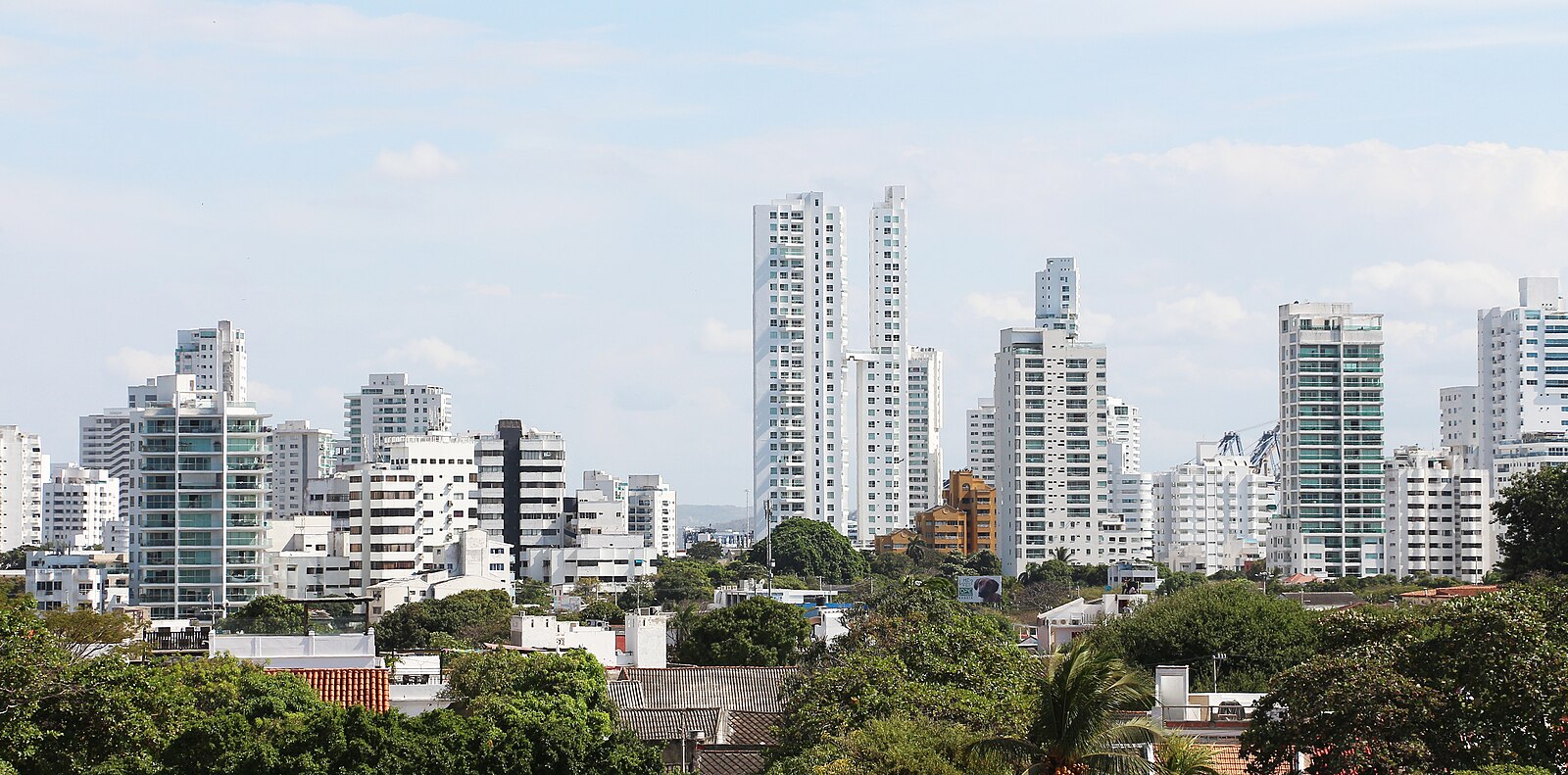
Afinia says it sought payment agreements, held dialogue tables and offered financing, but some commitments were not kept, El Colombiano reported on 24 November 2026. It says late payment cuts the cash it needs to invest in the grid.
Afinia says it has invested 3.6 trillion pesos (about US$1.0 billion) since it began operating, in its own report cited by El Colombiano on 24 November 2026. It says service-quality indicators improved more than 70%, and it cites rural dispersion, access problems, public-order situations, and energy fraud and theft as difficulties.
Afinia put official-sector debt at 243,369 million pesos (about US$68 million at today’s rate) in December 2023, El Tiempo, a Bogotá daily, reported on 13 December 2023. It put the figure at about 291,000 million pesos (290,835 million, about US$81 million at today’s rate) at the end of December 2024, Portafolio, a Colombian business daily, and El Heraldo of Barranquilla reported it on 19 and 28 December 2024.
Against those figures, the debt now claimed is about 77% above December 2023 and 48% above December 2024, by our arithmetic. At the end of 2024 water utilities held 44% of the total, health entities 24.65% and education 12.6%, according to Portafolio, a Colombian business daily, and El Heraldo of Barranquilla, on 19 and 28 December 2024.
In December 2023 Afinia said it would end supply contracts with some unprotected debtors after exhausting commercial and legal steps, El Tiempo reported on 13 December 2023. On Afinia’s own account, about 90% of today’s debt is held by protected users, who cannot be cut off.
That figure is Afinia’s own number, and the Procuraduría’s request seeks to establish the debt, the recovery efforts and the effects on service. The reports did not say how much is owed in Bolívar alone, what deadline the Procuraduría set for Afinia’s reply, or whether Superservicios has responded.
The next steps are Afinia’s reply to the Procuraduría and any report from the Superservicios, and no report has given a date for either. More on the country is in our Colombia news section.
Frequently Asked Questions
Who owes Afinia the money?
Afinia says public entities owe it, and about 90% of the debt sits with hospitals, schools and water utilities. These users have special constitutional protection.
Can Afinia cut off those users?
No, Afinia says the law bars cutting their power. They must still pay for what they use.
What did the Procuraduría ask?
It asked Afinia for the debt, recovery efforts, financial risks and service steps. It also asked the Superservicios to report on its supervision.
Sources: Afinia statement as reported by El Universal (Cartagena), 23 Nov 2026, and El Colombiano, 24 Nov 2026; Procuraduría General de la Nación statement relayed by Colprensa and Diario del Cesar, 20 Nov 2026; El Tiempo, 13 Dec 2023; Portafolio, 19 Dec 2024, and El Heraldo, 28 Dec 2024; conversion at about 3,600 pesos per US$, market rate of 25 Nov 2026.
This article was produced by The Rio Times’ automated AI newsroom. Editorial responsibility: Matthias Camenzind, Publisher and Editor-in-Chief. The Rio Times also runs Ask Rio Times, which answers from 100,000+ of our own articles, the daily Latin America Power Map, and prediction-market odds on elections and markets.. How we use AI · Report an error