Zimbabwe Sets Aside US$400M for Drought
The money is a first cushion against a poor harvest, and no breakdown of how it will be spent has been published.

ZIMBABWE · DROUGHT · BRIEF
Zimbabwe’s Treasury, the finance ministry, has set aside US$400 million to fight a drought that is predicted to follow a strong El Niño, Information Minister Zhemu Soda said in Harare on Tuesday 24 November 2026. El Niño is a warming of Pacific waters that often brings drought to southern Africa.
Soda spoke at a media briefing after the weekly Cabinet meeting and said the plan rests on six pillars, among them bigger grain reserves, livestock protection and more imports. The sum matches a ZiG10.9 billion (about US$400 million) contingency reserve in the 2027 budget, and we could not confirm whether it is the same money.
Key Facts
- Who. Zimbabwe’s Treasury, announced by Information Minister Zhemu Soda.
- What. US$400 million set aside against a predicted El Niño drought.
- When. Announced in Harare on Tuesday 24 November 2026, after a Cabinet meeting.
- Next. Grain reserve target of 600,000 tonnes by October 2027.
- As of. 24 November 2026, 19:30 GMT.
The money is a first cushion against a poor harvest, and no breakdown of how it will be spent has been published.
The six pillars are enhanced strategic grain reserves, accelerated climate-smart production, an integrated financing architecture, livestock drought mitigation, enhanced imports, and coordination, early warning systems and capacity-building. Climate-smart production means farming methods built to cope with less rain and more heat.
The 2027 National Budget, presented by Finance Minister Mthuli Ncube on Thursday 19 November 2026, totals ZiG358.3 billion (about US$12.8 billion); ZiG is Zimbabwe Gold, the local currency. It sets aside a ZiG10.9 billion (about US$400 million) contingency reserve, financed from 2026 fiscal buffers, to cushion severe shocks.
At about 3% of planned spending, the cushion is modest. Food prices and household incomes depend on the harvest, which the government expects to fall by nearly 30% in the 2027 crop season.
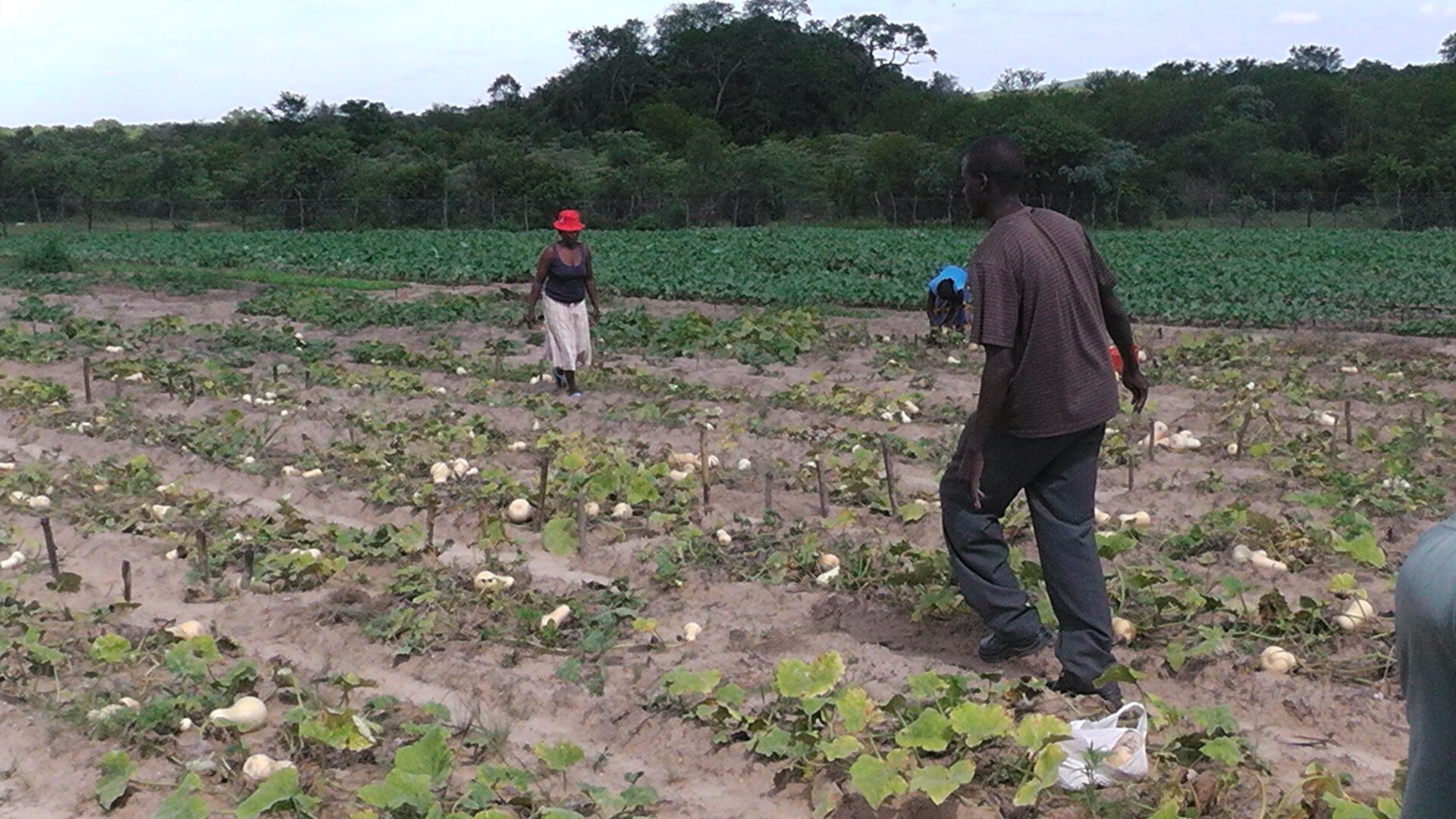
The sums have moved before. On 14 October 2026 Ncube said the government planned a drought and El Niño reserve of US$500 million, made up of US$250 million in cash and an equal amount in grain, to be provided for in the 2027 budget.
On that day the government projected a harvest of 1.6 million tonnes of maize in the 2027 crop season, nearly 30% lower than in 2026. We found no explanation of how the US$500 million plan of October and the US$400 million figure of November relate.
Zimbabwe needs about 2.2 million tonnes of grain a year, including roughly 400,000 tonnes for livestock feed, according to the 14 October briefing. Ncube said the government had already bought about 200,000 tonnes of maize from local farmers for its reserves.
The state grain buyer, the Grain Marketing Board, held 365,688 tonnes in the strategic grain reserve, a state emergency stockpile, as of 9 November, Soda said at a post-Cabinet briefing in the week of 9 November 2026. The target is 600,000 tonnes by October 2027.
That briefing also counted 2,248,498 cattle, about 39% of the national herd of 5,750,439, as at risk. It listed 914 ward drought mitigation centres across 1,527 rural wards.
Soda said the Agricultural and Rural Development Agency (ARDA), a state-owned farming agency, had supplied over 90% of the reserve’s intake. The state therefore leans heavily on its own farms for emergency grain.
A plan with imports among its six pillars does not rely on the 2027 harvest alone. Which pillar receives how much of the money has not been published.
The next dated test is October 2027, the deadline for the reserve. The projected 2027 maize harvest will show how far that reserve has to stretch.
More: Zimbabwe news
Frequently Asked Questions
What is El Niño and why does it matter for Zimbabwe?
It is a warming of Pacific waters that often brings drought to southern Africa. The government’s plan assumes a strong El Niño this season.
Is this new money?
It matches the ZiG10.9 billion (about US$400 million) contingency reserve in the 2027 budget, but we could not confirm whether it is the same money. It is smaller than the US$500 million reserve described in October.
When will the money be available?
The briefing gave no spending timetable. The strategic grain reserve is meant to reach 600,000 tonnes by October 2027.
Sources: Government of Zimbabwe, Cabinet post-briefing of 24 November 2026 (Information Minister Zhemu Soda); Ministry of Finance, 2027 National Budget presented on 19 November 2026; Ministry of Finance briefing of 14 October 2026; Cabinet post-briefing in the week of 9 November 2026 (Information Minister Zhemu Soda).
This article was produced by The Rio Times’ automated AI newsroom. Editorial responsibility: Matthias Camenzind, Publisher and Editor-in-Chief. The Rio Times also runs Ask Rio Times, which answers from 100,000+ of our own articles, the daily Latin America Power Map, and prediction-market odds on elections and markets.. How we use AI · Report an error