USA & Canada Intelligence Brief — Wednesday, October 21, 2026
Executive Summary
USA & Canada Intelligence Brief for October 21: Alberta votes to stay in Canada, US alleges election interference, Bank of Canada decides Oct 28.
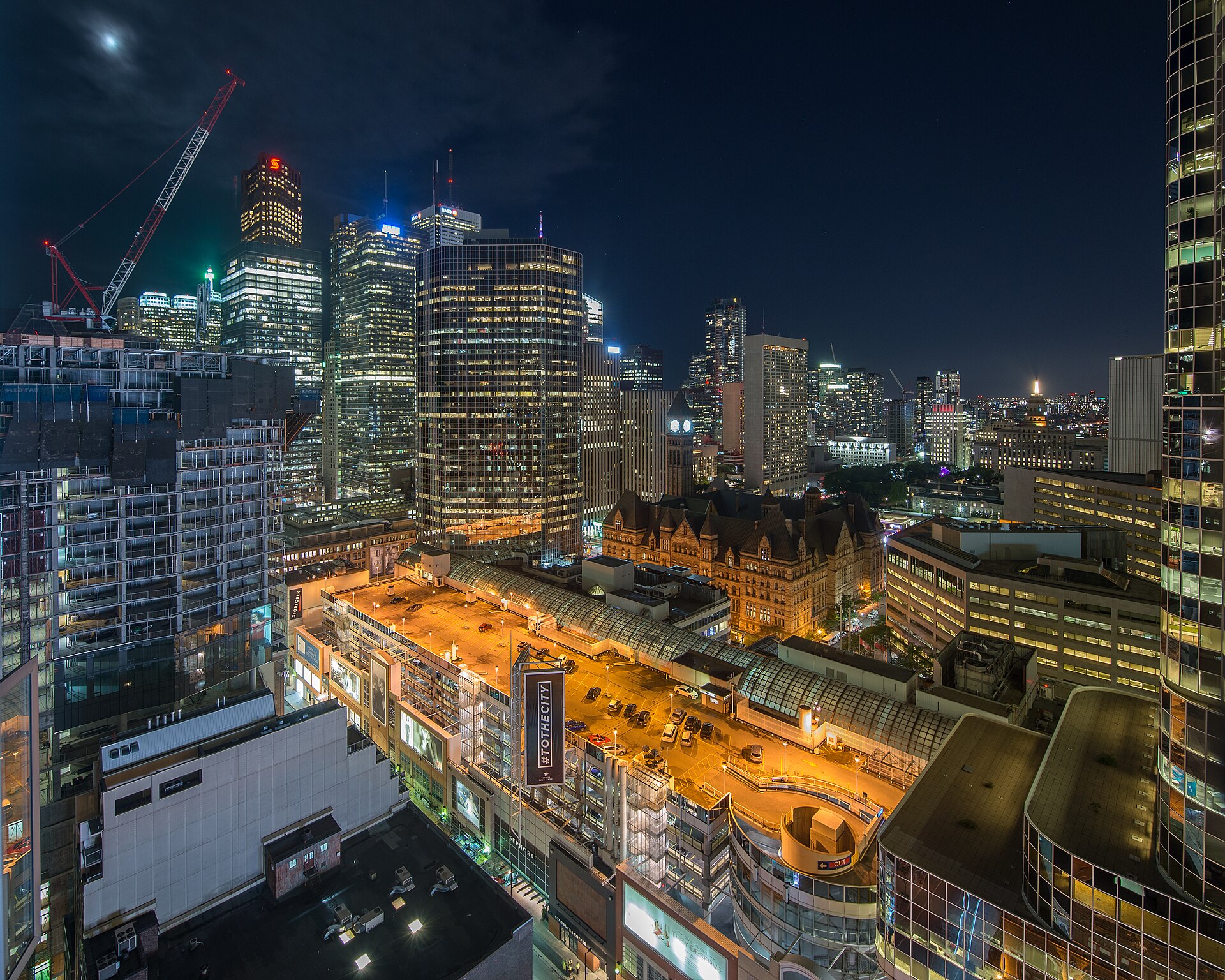
North America’s temper on Wednesday is a study in defensive unity, as Canada absorbs Alberta’s decision to remain in the federation while demanding more power from Ottawa and bracing for the Bank of Canada decision on 28 October. The same day’s developments show that trade friction with Washington and domestic economic anxiety are tightening the country’s political and financial choices.
The emotional centre is Ottawa, where the Bank of Canada decides on 28 October after inflation rose to 3.1%. The register is institutional and wary, with the country preparing for renewed price shocks and American accusations of election interference. The language on both sides of the border turns economic uncertainty and constitutional grievance into a test of political patience and institutional credibility.
The through-line is that Canada is choosing unity as a defensive instrument, but demanding a looser federation to withstand pressure from both Ottawa and Washington. Alberta’s vote, September’s inflation reading, the Section 338 tariffs and the public demand for answers after the CFB Wainwright fire all reflect a society seeking protection from forces that feel larger than any single government. Beneath the relief, households and firms are asking whether institutions can deliver security when trade, inflation and tragedy strike at once.
Key Facts
Alberta referendum. Roughly three-quarters of participating Albertans voted to remain in Canada on 19 October.
Inflation. Statistics Canada reported September inflation at 3.1%, up from 3.0% in August, ahead of the Bank of Canada decision on 28 October.
Election interference. US Ambassador Pete Hoekstra said on 14 October 2026 that some Canadian actions “could be inferred to be election interference”.
Section 338 tariffs. The United States has imposed tariffs on Canadian goods under Section 338, a law the White House says lets the president act where a country disadvantages US exporters.
Wainwright fire. A grass fire at CFB Wainwright on 17 October killed four soldiers during live-fire exercises.
Alberta: A Separatist Setback And A Constitutional Push
The projected majority for remaining in Canada suggests that Alberta’s separatist campaign did not convert economic grievance into a constitutional mandate. For a US reader, the result matters because it shows how subnational frustration can be absorbed by democratic institutions without triggering a North American political rupture.
The mood in Alberta is one of deflated defiance, as voters weighed the appeal of autonomy against the economic and political risks of separation while simultaneously backing negotiations for greater provincial powers.
Ottawa: Inflation Anxiety Ahead Of The Rate Decision
The Bank of Canada announces its next rate decision on 28 October. Statistics Canada’s September inflation figure was reported as 3.1%, up from 3.0% in August, with higher gasoline prices identified as the main immediate driver.
For a US reader, the Canadian inflation story matters because it shows how energy shocks are transmitting through a G7 economy and complicating central-bank policy. The decision on 28 October is the next date on which that pressure becomes visible in policy.
Washington: Interference Accusations And Section 338 Tariffs
US Ambassador to Canada Pete Hoekstra said on 14 October 2026 that some Canadian actions “could be inferred to be election interference” as the US midterm elections approach. The remark raises the political temperature around Canada’s cross-border advocacy on trade.
The United States has also imposed tariffs on Canadian goods under Section 338. The White House position is that Section 338 authorises the president to act where a country disadvantages US exporters, although the statute had not previously been used for that purpose.
Toronto And Wainwright: Disruption And Grief
Toronto Pearson airport experienced delays on 21 October 2026 after reports of smoke led to the evacuation of an apron-management tower. The airport said the crew had returned, but flights to and from Pearson were delayed, adding a layer of operational friction to an already tense day.
The mood is heavier at CFB Wainwright, where a grass fire on 17 October 2026 rapidly changed direction during live-fire exercises and killed four soldiers. The incident has become a national focus of grief and a demand for accountability, with 50 investigators examining the deadly fire.
What This Means From Latin America
Canada’s tariff-response programmes and higher inflation could affect efforts to diversify exports towards Latin American markets. September inflation of 3.1% may also weigh on Canadian investment appetite in the hemisphere.
US–Canada trade friction could alter North American demand for Latin American commodities and manufactured inputs. The Section 338 tariffs and the broader trade conflict may push Canadian firms to seek alternative suppliers and markets, with potential openings for Latin American exporters.
What We Are Watching
- Wednesday 21 October, 10:30 a.m. ET: EIA crude oil stocks change — forecast -0.3 million barrels against -8.557 million prior; a signal of US energy demand and a factor in Canadian inflation and hemispheric oil markets.
- Wednesday 21 October, 10:30 a.m. ET: EIA Cushing crude oil stocks change — previous value 1.862 million barrels; a gauge of US storage levels that can move North American energy prices.
- Thursday 22 October, 8:30 a.m. ET: US initial jobless claims — forecast 200,000 against 199,000 prior; a read on American labour-market resilience and Federal Reserve policy space.
- Friday 23 October, 8:30 a.m. ET: Canada retail sales — August forecast 4.9% against 5.1% prior; a measure of household demand under inflation and rate pressure.
- Friday 23 October, 9:45 a.m. ET: S&P Global US composite PMI — October forecast 57.6 against 58.4 prior; a signal of American private-sector momentum and trade sensitivity.
- Wednesday 28 October, 9:45 a.m. ET: Bank of Canada interest rate decision — forecast 2.25% against 2.25% prior; a decision that follows September inflation of 3.1%.
Background: USMCA 2026 Trade Pact Guide.
Background: Oil and Energy in Latin America 2026: A Guide.
Frequently Asked Questions
What was the result of the Alberta referendum?
Roughly three-quarters of participating Albertans voted to remain in Canada on 19 October 2026. Voters also supported negotiations for constitutional changes that would transfer additional authority from Ottawa to Alberta.
When does the Bank of Canada next decide on interest rates?
The Bank of Canada announces its next rate decision on 28 October 2026. Statistics Canada reported September inflation at 3.1%, up from 3.0% in August, with higher gasoline prices as the main driver.
What is the legal basis for the US tariffs on Canadian goods?
The White House position is that Section 338 authorises the president to act where a country disadvantages US exporters, although the statute had not previously been used for that purpose.
What is known about the CFB Wainwright fire?
A grass fire at Canadian Forces Base Wainwright on 17 October 2026 rapidly changed direction during live-fire exercises, killing four soldiers. 50 investigators are examining the fire.
This article was produced by The Rio Times’ automated newsroom system. How we use AI · Report an error · Editorial responsibility: Matthias Camenzind, Editor-in-Chief