Europe Intelligence Brief — Wednesday, October 21, 2026
Executive Summary
Europe Intelligence Brief for October 21: EU rules out Russian gas return, France imposes curfews, Albania protests enter a second week.
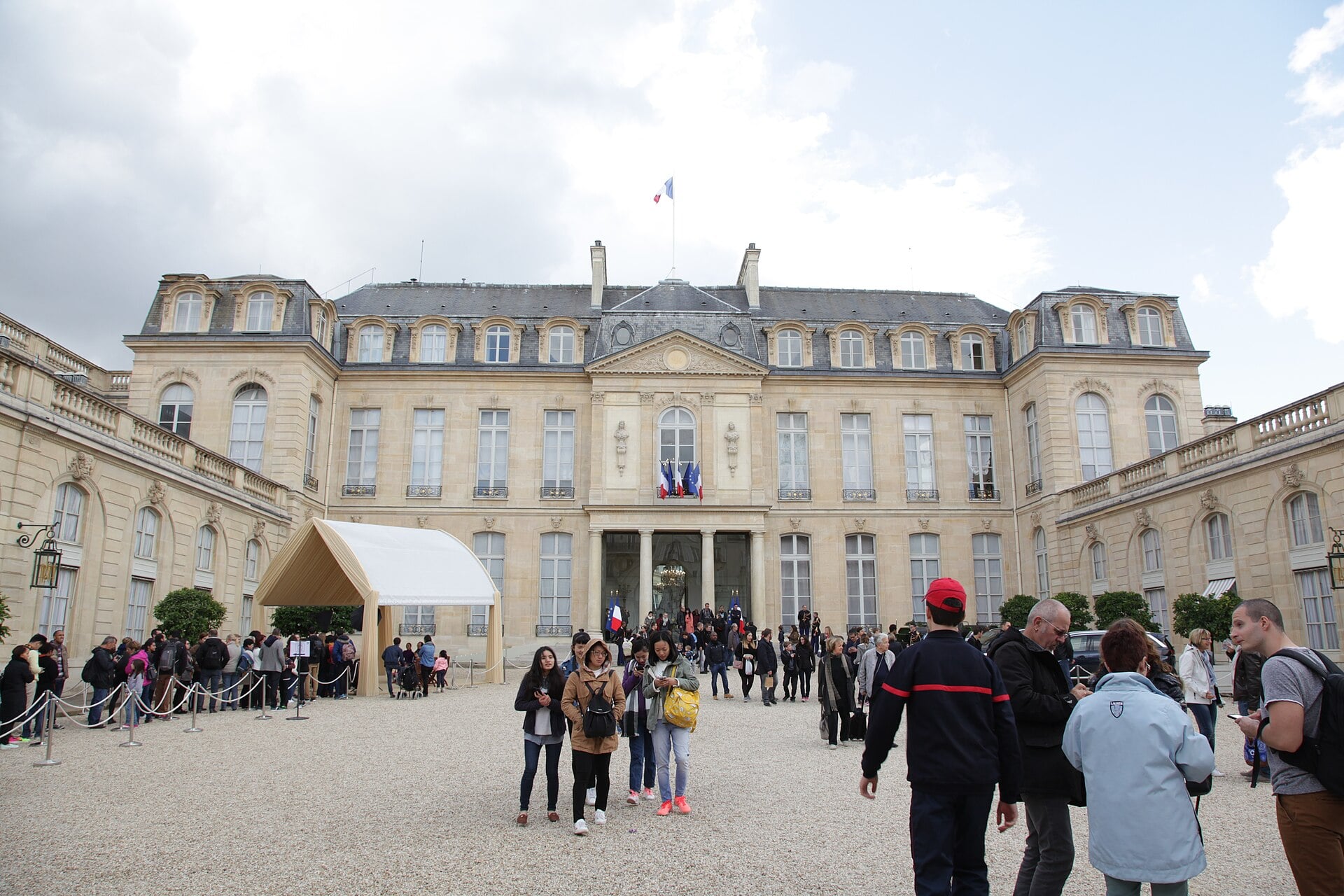
Europe wakes on Wednesday to defiant endurance abroad and nervous control at home. Ursula von der Leyen says sanctions on Russia will stay until the war ends, while France has imposed temporary curfews after the unrest of 17 October.
The through-line is that Europe is hardening its posture on several fronts at once, but defensively rather than expansively. It wants to look unwavering on Ukraine and energy, yet its home politics are being managed through security measures that show how little room governments believe they have.
Key Facts
- Sanctions. Ursula von der Leyen said on 21 October that EU sanctions on Russia remain until the war ends.
- Gas. The European Commission ruled out resuming Russian gas purchases on 21 October.
- France. Temporary curfews have been imposed in several cities after the unrest of 17 October.
- Albania. Protests that began on 13 October have entered a second week.
- Ukraine. Kyiv and Moscow are negotiating the evacuation of residents from Russian-occupied Olechky.
Brussels: Sanctions As A Permanent Condition
Ursula von der Leyen’s statement that sanctions will not be lifted until Russia ends its war in Ukraine turns a policy tool into a declaration of strategic patience. Her parallel rejection of renewed Russian gas purchases closes the easiest economic off-ramp, signalling that the Commission sees energy separation as irreversible even if European industry still feels the cost.
For a US reader, the message is that Brussels is trying to remove ambiguity from its Russia policy. The Commission is betting that clarity about sanctions and gas will strengthen Ukraine’s negotiating position, but it also raises the stakes for any future peace deal that falls short of a full Russian withdrawal.
Germany And The Euro Area: The Data Test
Germany’s composite PMI, a survey of business activity, is forecast at 53.3 for October after 53.8, and the euro area figure at 52.7 after 53.1. Both are due on 23 October, at 3:30 a.m. and 4:00 a.m. ET respectively, according to the RT calendar.
Readings near those forecasts would still point to expansion, but at a slower pace than the previous month. For US investors and exporters, softer European activity matters because it can weigh on the euro and on demand for American goods.
France: Curfews After The Unrest
Temporary curfews have been imposed in several French cities after the unrest that followed 17 October. The measure suggests that the government sees the situation as needing exceptional tools rather than ordinary policing alone.
French business confidence for October is forecast at 101, unchanged from the previous reading, and is due on 22 October at 2:45 a.m. ET. For a US reader, the figure is an early test of whether the unrest is weighing on expectations in a major euro-area economy.
Ukraine: The Human Corridor
Kyiv and Moscow are negotiating final arrangements for evacuating residents who remain in Russian-occupied Olechky in Kherson region, according to Ukraine’s human-rights commissioner, Dmytro Lubinets. The talks show that practical cooperation between enemies continues even without a wider settlement.
The evacuation talks and the EU’s sanctions line run on separate tracks, one humanitarian and one economic. What is not known is when the evacuation will begin or how many residents are involved.
Albania: A Protest Movement Past Its First Week
Protests in Albania, which began on 13 October, have entered a second week. The persistence of the demonstrations suggests that the grievances behind them have not been resolved.
Attendance figures, injuries, arrests and any government concessions were not verified for this edition. For a US reader, Albania is a NATO member, so lasting unrest in Tirana matters beyond the Balkans.
What This Means From Latin America
The European Commission’s refusal to resume Russian gas purchases reinforces the strategic value of alternative energy suppliers, including potential Latin American LNG exporters, though no new EU–Latin America energy agreement was verified on 21 October. The bloc’s continued sanctions posture also keeps pressure on governments in the region that maintain close ties with Moscow, as Brussels signals that alignment with Russia carries lasting costs.
The French curfews may affect Latin American migrant communities in Europe, who often feel the weight of policing and integration debates most directly. Softer European activity, if the PMI readings disappoint, would also weigh on demand for Latin American exports.
What We Are Watching
- 21 October: UK inflation rate for September, forecast at 3.4% after 3.1%. A rise would deepen cost-of-living pressure across Europe.
- 22 October, 2:45 a.m. ET: France business confidence for October, with the previous reading at 101 and forecast at 101. A decline would suggest that the unrest is weighing on economic expectations.
- 22 October, 7:00 a.m. ET: Turkey TCMB interest rate decision, with the previous rate at 37% and forecast at 36%. A cut would signal that Ankara sees room to ease despite inflation pressures.
- 23 October, 3:30 a.m. ET: Germany S&P Global Composite PMI for October, with the previous reading at 53.8 and forecast at 53.3. A decline would suggest that energy costs are slowing business activity.
- 23 October, 4:00 a.m. ET: Eurozone S&P Global Composite PMI for October, with the previous reading at 53.1 and forecast at 52.7. A drop would confirm a cooling in the bloc’s activity.
- 23 October, 6:30 a.m. ET: Russia interest rate decision, with the previous rate at 14%. The decision will show how Moscow weighs inflation against borrowing costs.
Background: Europe Intelligence Dossier archive
Frequently Asked Questions
What did Ursula von der Leyen say about sanctions on 21 October?
Ursula von der Leyen said that EU sanctions against Russia would remain until Russia ends its war in Ukraine. The European Commission also ruled out resuming Russian gas purchases.
What do the next European data releases show?
Germany’s composite PMI, a survey of business activity, is forecast at 53.3 for October after 53.8, and the euro area figure at 52.7 after 53.1. Both are due on 23 October, at 3:30 a.m. and 4:00 a.m. ET.
How is France responding to the unrest?
Temporary curfews have been imposed in several French cities after the unrest that followed 17 October. This edition could not confirm further measures.
What is happening with the Olechky evacuation?
Kyiv and Moscow are negotiating final arrangements for evacuating residents who remain in Russian-occupied Olechky in Kherson region. The information comes from Ukraine’s human-rights commissioner, Dmytro Lubinets.
How long have the protests in Albania lasted?
Protests in Albania began on 13 October and have entered a second week. Attendance, arrests and any government concessions were not verified.
Keep reading: Europe Intelligence Dossier — 21 October 2026 | Archive
This article was produced by The Rio Times’ automated newsroom system. How we use AI · Report an error · Editorial responsibility: Matthias Camenzind, Editor-in-Chief
LatAm Markets: Live Signals → — real-time movers, turnover leaders and FX across Latin America.