U.S. Pauses Intelligence Sharing with Ukraine as Trump Pressures Zelensky for Peace
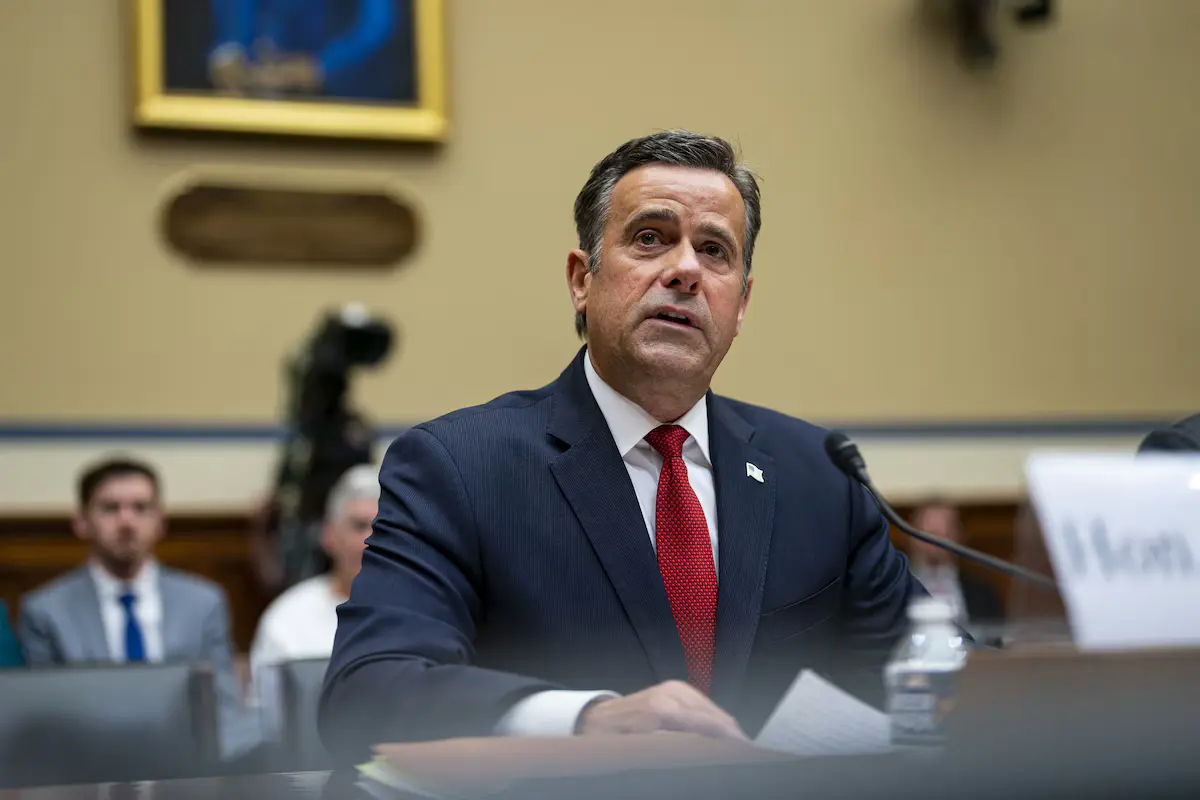
The CIA Director announced that the United States has paused intelligence sharing with Ukraine, a move directly tied to President Donald Trump’s push for peace negotiations with Russia.
The decision halts the transfer of critical U.S.-sourced intelligence, including targeting data essential for Ukraine’s military operations. It also restricts allies like the United Kingdom from sharing American-derived intelligence under the “Five Eyes” framework.
Trump has made it clear that his administration will no longer support what he views as Ukraine’s reluctance to pursue peace. Trump aims to pressure Ukrainian President Volodymyr Zelensky into adopting his vision for ending the war.
He plans to achieve this by suspending military aid and intelligence sharing. Trump has repeatedly criticized Zelensky and European leaders for what he perceives as their preference for prolonging the conflict rather than seeking a resolution.
During a recent meeting in Washington, Trump clashed with Zelensky over the pace of peace talks. While Zelensky thanked Trump for past U.S. support, he resisted calls to immediately engage in negotiations with Russia, citing ongoing aggression and territorial disputes.
In response, Trump suspended military aid, leaving Ukraine without crucial resources that have been instrumental in countering Russian forces.
U.S. Shift in Support for Ukraine
The suspension marks a significant shift in U.S.-Ukraine relations. Since Russia’s invasion in 2022, the U.S. has provided over $86 billion in military aid. This includes advanced weapons and satellite-based intelligence.
This support has allowed Ukraine to conduct precision strikes on Russian targets and defend against missile attacks. Experts warn that without U.S. intelligence, Ukraine’s ability to coordinate effective military operations will be severely diminished.
Military analyst Phil Ingram emphasized that American intelligence is indispensable for Ukraine’s battlefield success. He warned that delays or inaccuracies in targeting could allow Russian forces to regroup and strengthen their positions.
Meanwhile, Kremlin spokesperson Dmitry Peskov welcomed the U.S. decision, seeing it as a step toward compelling Ukraine into negotiations. He views these talks as potentially favorable to Moscow.
European leaders have expressed alarm over the U.S. pivot, pledging continued support for Ukraine but acknowledging the challenges of filling the gap left by America’s withdrawal.
As Trump doubles down on his demands for peace, Zelensky faces mounting pressure to balance U.S. expectations with Ukraine’s sovereignty and territorial integrity. This task could define the next phase of the war.
This article was produced by The Rio Times’ automated newsroom system. How we use AI · Report an error · Editorial responsibility: Matthias Camenzind, Editor-in-Chief
Read More from The Rio Times