Supreme Court Forces Trump to Release $2 Billion in Frozen Foreign Aid
The U.S. Supreme Court has ordered the release of nearly $2 billion (R$12 billion) in foreign aid payments frozen by former President Donald Trump.
The 5-4 ruling, issued on March 5, 2025, upholds a lower court’s decision requiring the government to pay contractors and nonprofits for completed work under U.S. Agency for International Development (USAID) and State Department programs.
This decision focuses solely on funds already allocated for projects completed before February 13, 2025, following Trump’s controversial executive order that imposed a 90-day freeze on foreign aid spending.
The freeze disrupted essential humanitarian operations in over 60 countries, halting programs addressing food security, healthcare, and disaster relief. Thousands of aid workers were laid off, and organizations warned of increased disease outbreaks and malnutrition due to delayed assistance.
U.S. District Judge Amir Ali had twice directed the administration to release the funds, initially setting a February 26 deadline. When compliance was delayed, Ali reiterated his directive, leading to the Supreme Court’s intervention.
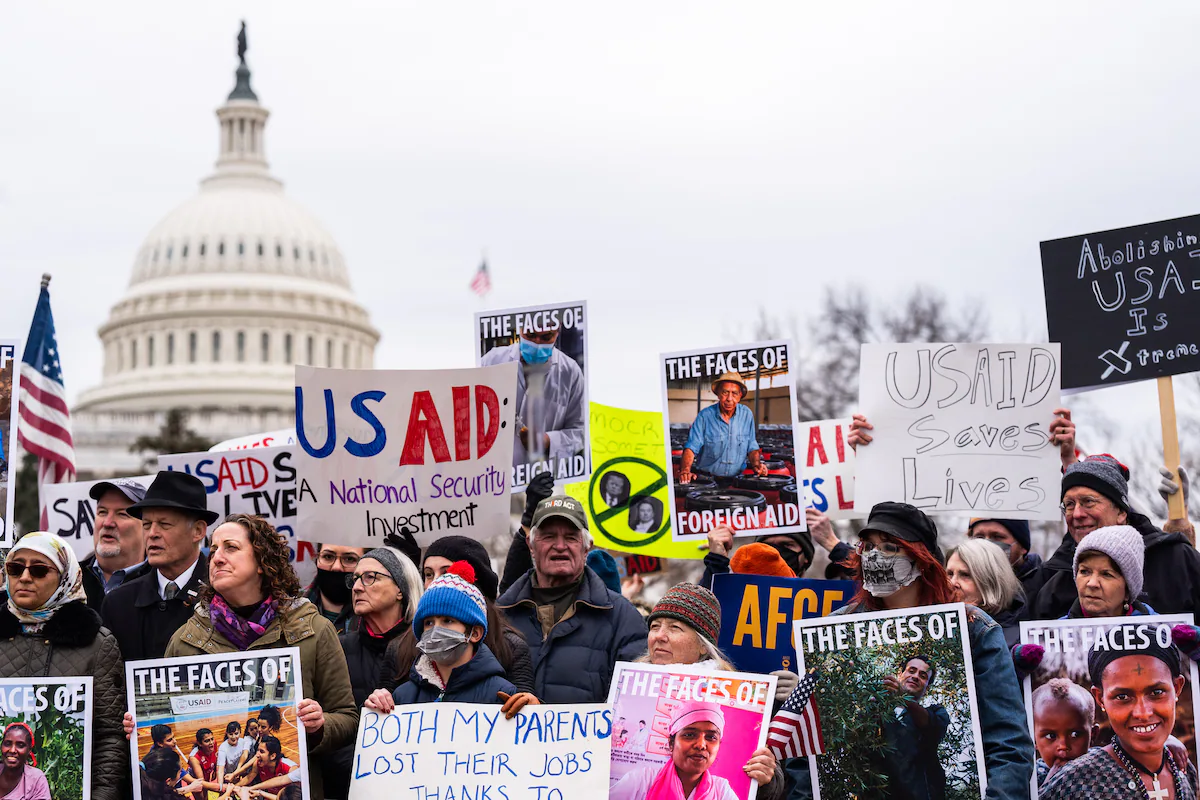
Legal Implications of USAID Funding Disputes
Chief Justice John Roberts and Justice Amy Coney Barrett joined three liberal justices in the majority, emphasizing the need to fulfill payment obligations for completed work. Dissenting justices argued the decision imposed undue financial burdens on taxpayers.
While this ruling ensures payment for past services, it does not address USAID’s future operations or funding. Trump’s administration has canceled over 90% of active USAID projects and is reviewing all contracts and grants as part of a broader reassessment of U.S. foreign aid policy.
Legal battles over the agency’s long-term viability continue in lower courts. For stakeholders such as policymakers and global aid organizations, this case highlights the tension between executive authority and congressional control.
It focuses on the management of appropriated funds. Although payments will resume temporarily, USAID’s future remains uncertain amid ongoing disputes.
This article was produced by The Rio Times’ automated newsroom system. How we use AI · Report an error · Editorial responsibility: Matthias Camenzind, Editor-in-Chief