Provinces Demand Relief: Milei’s Fiscal Triumphs Meet Senate Resistance
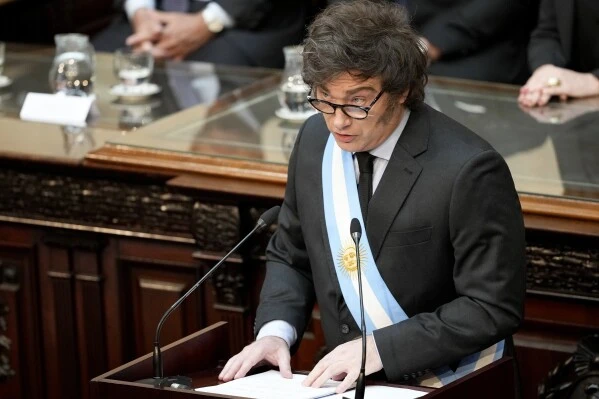
Argentina’s Senate has delivered a clear challenge to President Javier Milei’s strict budget policies, passing laws that require more federal money for provinces and greater social spending.
Fifty-six of seventy-two senators supported the move, reflecting broad concern over the effects of Milei’s program on local services and daily life. Milei, who took office in December 2023, slashed government spending, cut public sector jobs, and halted most public works.
These steps produced rapid, historic results: official data shows annual inflation fell from 211% in 2023 to 43.5% by June 2025, with monthly inflation at just 1.5% in May—the lowest in five years.
Argentina posted its first fiscal surplus in more than a decade, and the economy grew 7.7% in April 2025 compared to a year earlier. Social data also improved.
UNICEF and INDEC report 1.7 million children left poverty in 2024, and the national urban poverty rate dropped from 52.9% to 38.1% in six months.
Extreme poverty halved to 8.2%. Argentina secured a $20 billion deal with the IMF and improved its credit ratings. But the turnaround came with costs.
Mass consumption dropped by more than 10% year-over-year, and beef consumption—a national staple—fell from 73kg to 48.5kg per person in 2024.
Healthcare and pension cuts, plus the end of several social programs, have strained many families. Provincial leaders say they cannot pay salaries or maintain services without more federal support, prompting the Senate’s action.
Milei has promised to veto any law that threatens the fiscal surplus and may challenge the Senate’s measures in court. His party remains a minority in Congress, and the opposition is still divided.
Argentina now faces a crucial test: whether Milei’s rapid economic gains can last as pressure grows to ease budget cuts and support local needs. The outcome will shape the country’s future stability and growth.
More: Argentina news in English, every day from The Rio Times.
This article was produced by The Rio Times’ automated newsroom system. How we use AI · Report an error · Editorial responsibility: Matthias Camenzind, Editor-in-Chief
In depth