Venezuelan Bridge Collapse Cuts Off Key Communities and Exposes Wider Risks
Heavy rains in Apure, a border state in southwestern Venezuela, caused the El Muerto bridge to collapse on July 13, 2025. This bridge connected Bruzual and Mantecal, two towns that rely on it for moving goods, food, fuel, and medical supplies.
The Venezuelan Ministry of Transport confirmed the collapse and sent emergency teams to install a temporary military bridge to restore basic movement.
The collapse happened during weeks of severe weather, which have flooded large areas and damaged roads and bridges. Over 10,000 families across eight states have felt the impact.
Apure’s flat land and the nearby Arauca River, which marks the border with Colombia, make the area especially prone to flooding. When the bridge fell, several communities became isolated overnight.
Local businesses could not receive supplies, and families faced shortages. The government says it is working to restore services, but the damage has already slowed trade and made daily life harder.
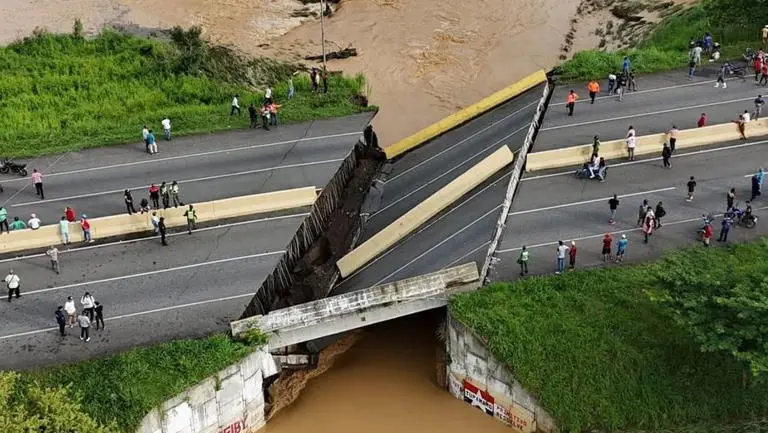
Venezuela’s Bridge Collapse Exposes Rural Infrastructure Crisis
This event shows how fragile Venezuela’s rural infrastructure has become. Many bridges and roads are old and have not been maintained well. The government has deployed the military to help with repairs and distribute aid, but fixing everything will take time and money.
The collapse also affects trade between Venezuela and Colombia. Apure is a key route for moving goods across the border. When one bridge fails, it disrupts supply chains, raises transport costs, and creates uncertainty for businesses on both sides.
The El Muerto bridge collapse is a stark reminder of how important strong infrastructure is for keeping communities connected and economies running. Without reliable roads and bridges, rural areas can quickly become cut off, especially during extreme weather.
The government has promised to restore connections, but the event highlights the urgent need for better maintenance and investment in public works to protect against future disasters.
More: Latin America news in English, every day from The Rio Times.
This article was produced by The Rio Times’ automated newsroom system. How we use AI · Report an error
Read More from The Rio Times