Asia Intelligence Brief — Saturday, October 17, 2026
Executive Summary
Asia Intelligence Brief for October 17: Japan PM's Yasukuni offering draws Seoul regret, Singapore PSI hits 150 to 230 amid haze crisis, and ASEAN.
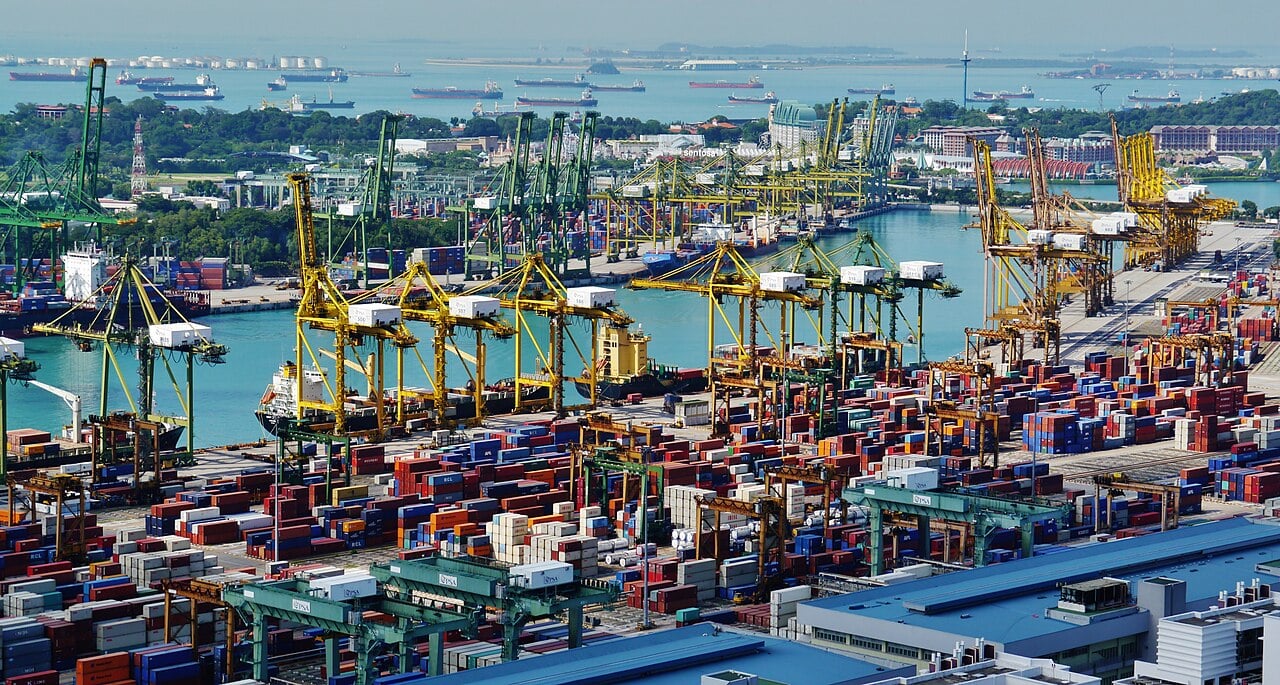
Asia’s mood on Saturday is one of managed tension, as symbolic disputes, environmental strain and diplomatic friction press against fragile efforts at cooperation. Japanese Prime Minister Sanae Takaichi sent a ritual offering to Yasukuni Shrine, drawing South Korea’s “deep disappointment and regret” and testing a relationship that had been improving. The region is not in open crisis, but it is holding several crises at arm’s length, from transboundary haze to a reported walkout at an IMF gathering in Bangkok.
The register is corrective and defensive, with governments speaking through diplomatic formulas, public-health advisories and institutional statements rather than broad reassurance. Leaders are trying to preserve dialogue, but sovereignty, historical memory and environmental vulnerability keep breaking through the surface of cooperation.
The through-line is the limits of regional control. Governments can host summits and issue consensus statements, yet they cannot fully command the smoke drifting across borders, the symbolic weight of a shrine, or the polarisation that follows Russian diplomacy into a technical forum. The day reveals how quickly a single gesture or an environmental forecast can shift the emotional centre of the region from strategic ambition to immediate public anxiety.
Key Facts
Yasukuni offering. Prime Minister Sanae Takaichi sent a ritual offering to Yasukuni Shrine on 17 October 2026.
Seoul regret. South Korea expressed deep disappointment and regret over the offering on 17 October 2026.
Haze forecast. Singapore forecast a PSI of 150–230 for 17 October 2026, unhealthy to very unhealthy.
IMF walkout. Delegates reportedly walked out when Russia’s finance minister spoke in Russian in Bangkok on 17 October 2026.
Japan And South Korea: A Symbolic Wound Reopens
Takaichi’s Yasukuni offering is a deliberate domestic signal that immediately becomes a diplomatic liability, because the shrine is inseparable from Japan’s wartime memory in the eyes of its neighbours. South Korea’s Foreign Ministry expressed deep disappointment and regret, despite recent efforts to improve bilateral relations.
The mood is one of guarded unease in Seoul and nationalist confidence in Tokyo, with the two governments speaking past each other rather than to each other. For a US reader, the episode is a reminder that the Japan–South Korea relationship remains vulnerable to symbolic triggers, even when strategic logic favours closer trilateral coordination with Washington.
Indonesia And Singapore: Haze Turns Air Into A Public Emergency
The transboundary haze has moved from an annual nuisance to an acute public-health event, with Singapore forecasting a Pollutant Standards Index of 150–230 for Saturday. Elevated PM2.5 was recorded across the island.
Indonesia is responding with experimental measures, testing a Brazilian-made fire suppressant in South Sumatra and Kalimantan, while fuel-distribution problems in Bali have forced schools in Denpasar online through Saturday. For a US reader, the crisis illustrates how climate-related disruption can simultaneously strain public health, education and regional diplomacy, with no single government able to contain the smoke.
Thailand: Polarisation Reaches The IMF Room
In Bangkok, the reported walkout from an IMF steering-committee meeting when Russian Finance Minister Anton Siluanov spoke in Russian reveals how geopolitical polarisation now intrudes into technical economic forums. For a US reader, the episode points to a region where technical institutions are under pressure from external rivalry, making consensus harder to sustain.
What This Means From Latin America
Indonesia’s testing of a Brazilian-made fire-suppressing gel creates a concrete climate-adaptation link between Southeast Asia and Latin America, one that could open space for technology transfer and environmental cooperation. The Brazilian-made suppressant has been tested in South Sumatra and Kalimantan as Indonesia battles severe forest and peatland fires, and its operational effectiveness remains unconfirmed.
The broader haze crisis also carries a trade and supply-chain warning for Latin American exporters, because climate-related disruptions to transport and agriculture in Asia can shift commodity flows and raise costs globally. The reported IMF walkout in Bangkok over Russia’s participation is a further reminder that diplomatic polarisation around Moscow is now embedded in multilateral economic settings, a dynamic that also shapes Latin American positions on global financial institutions.
What We Are Watching
- Saturday–Monday, 17–19 October: Yasukuni autumn festival — The three-day festival continues in Tokyo, and South Korean diplomatic reaction may intensify. The episode tests whether the bilateral relationship can absorb symbolic friction without derailing trilateral coordination.
- Sunday 18 October, 10:00 p.m. ET: China third-quarter GDP growth rate — The figure is forecast at 4.4 per cent year on year, up from 4.3 per cent in the second quarter. The reading will show whether export strength is translating into broader momentum amid regional uncertainty.
- Sunday 18 October, 10:00 p.m. ET: China industrial production and retail sales — Industrial production is forecast at 5.4 per cent, up from 5.2 per cent, and retail sales at 0.5 per cent, up from 0.4 per cent. The pair will indicate whether domestic demand is recovering alongside external trade.
- Monday 19 October, 12:00 a.m. ET: Malaysia balance of trade and inflation — The trade surplus is forecast at 45 billion ringgit, up from 28.1 billion ringgit, and inflation at 1.9 per cent, unchanged. The figures will reveal whether Malaysia is benefiting from regional trade shifts without price pressure.
- Wednesday 21 October, 3:30 a.m. ET: Indonesia interest rate decision — The rate is forecast to remain at 5.75 per cent. The decision will signal whether Bank Indonesia prioritises currency stability or domestic support amid fires and fuel disruption.
- Wednesday 21 October, 9:00 p.m. ET: South Korea interest rate decision — The rate is forecast to remain at 3 per cent. The Bank of Korea’s stance will show whether it sees the current tensions as transitory or a threat to growth.
Frequently Asked Questions
Why did South Korea object to Japan’s Yasukuni offering?
Prime Minister Sanae Takaichi sent a ritual offering to Yasukuni Shrine at the start of its autumn festival. South Korea’s Foreign Ministry expressed deep disappointment and regret because the shrine is viewed as a symbol of Japan’s wartime militarism.
How severe is the haze in Singapore?
Singapore’s National Environment Agency forecast a Pollutant Standards Index of 150–230 for Saturday, 17 October 2026, ranging from unhealthy to very unhealthy. Elevated PM2.5 was recorded across the island.
What happened at the IMF meeting in Bangkok?
delegates walked out of an IMF steering-committee meeting when Russian Finance Minister Anton Siluanov addressed the gathering in Russian.
What is Indonesia doing about the haze and fuel disruption?
Indonesia is testing a Brazilian-made fire suppressant in South Sumatra and Kalimantan. Fuel-distribution problems in Bali have forced schools in Denpasar online through Saturday.
This article was produced by The Rio Times’ automated newsroom system. How we use AI · Report an error · Editorial responsibility: Matthias Camenzind, Editor-in-Chief
LatAm Markets: Live Signals → — real-time movers, turnover leaders and FX across Latin America.
Read More from The Rio Times