Argentina’s Senate Defies Milei, Exposes Deep Divide Over Fiscal Policy
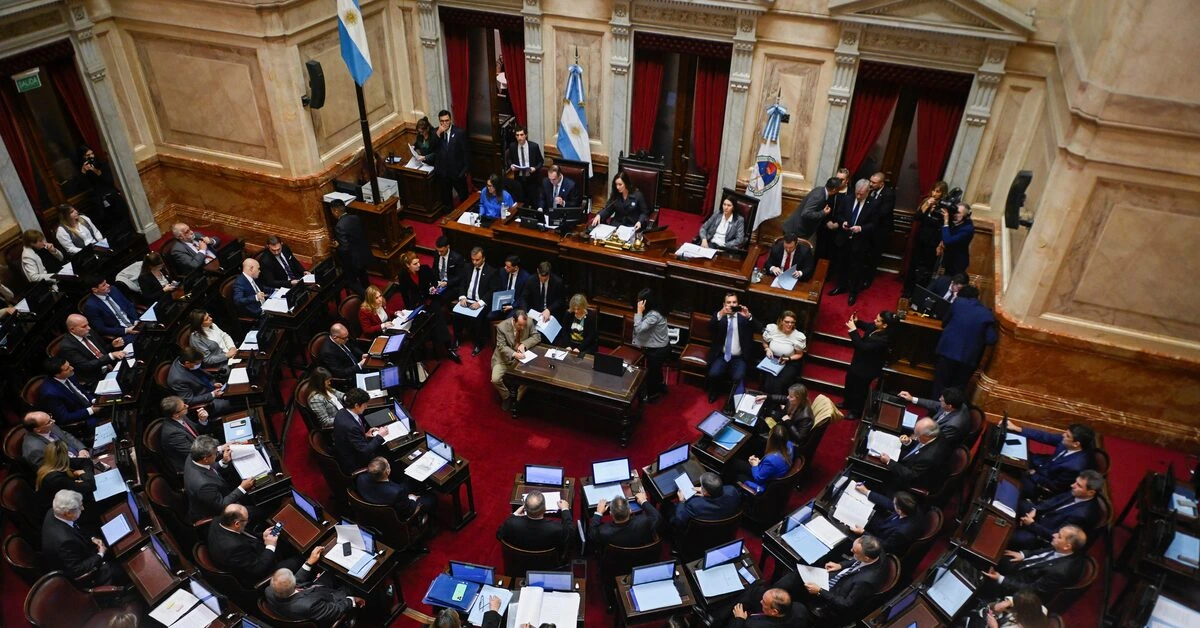
Argentina’s Senate voted on July 10, 2025, to increase pensions by 7.2 percent and raise the minimum pension bonus from 70,000 to 110,000 pesos, directly challenging President Javier Milei’s fiscal strategy.
Official records show the opposition unified to pass the measure with 52 votes in favor and only four abstentions. The lower house had already approved the bill, making this a significant legislative defeat for the administration.
President Milei has built his economic program on strict spending cuts, aiming to control inflation and achieve a fiscal surplus for the first time in over a century. He reduced government spending by about 30 percent, cut public sector jobs, and halted most infrastructure projects.
These steps helped inflation fall from 25 percent per month to around 2.2 percent by January 2025, and the country reported monthly budget surpluses for the first half of the year.
The Senate’s decision threatens to erase these gains. The government estimates that the new pension and social security measures, along with additional support for provinces, could cost up to 2.5 percent of Argentina’s gross domestic product.
This spending would likely eliminate the fiscal surplus achieved through the administration’s austerity measures. Milei responded by promising to veto the laws, arguing they endanger the country’s financial stability.
He also warned that, if Congress overrides his veto, he will take the matter to court. The president’s critics in the Senate and among provincial governors argue that his approach has left provinces underfunded and has failed to address the needs of Argentina’s most vulnerable citizens.
Argentina’s Budget Battle Exposes Fiscal Risks
The conflict between the executive and the legislature reflects a deeper struggle over control of national resources. Milei’s government withheld transfers to provinces, which depend on these funds for basic services.
Provincial leaders, who control key votes in the Senate, pushed back by supporting the pension increase and additional funding. Argentina’s business community and investors watch this standoff closely.
The country’s history of chronic overspending, high inflation, and repeated debt defaults has made fiscal discipline a top concern. However, the Senate’s move highlights the political risks of austerity when social costs mount and local economies suffer.
Retirees and people with disabilities, many of whom have lost purchasing power due to inflation, stand to benefit from the new measures.
Yet, the broader economic impact remains uncertain, as increased spending could renew inflationary pressures and undermine investor confidence.
Argentina’s political system now faces a test of strength between the president and a united opposition. The outcome will shape the country’s fiscal path and influence its ability to maintain economic stability while meeting social needs.
More: Argentina news in English, every day from The Rio Times.
This article was produced by The Rio Times’ automated newsroom system. How we use AI · Report an error · Editorial responsibility: Matthias Camenzind, Editor-in-Chief
In depth