Pablo Marçal Emerges as a National Figure, Splitting the Right for 2026 Election
The Quaest poll released on Sunday reveals intriguing developments in Brazil’s political landscape. The survey tested a hypothetical scenario for the 2026 presidential election, offering valuable insights for both left and right-wing parties.
\n
\nLula leads the poll with 32% of voting intentions. Surprisingly, influencer Pablo Marçal follows with 18%, while São Paulo Governor Tarcísio de Freitas garners 15%. The margin of error is 2 percentage points, placing Marçal and Tarcísio in a technical tie.
\n
\nThe poll shows a significant shift in public opinion regarding Lula’s potential re-election bid. 58% of voters now oppose Lula running for a second term, up from 53% three months ago. Support for his re-election has dropped to 40%.
\n
\nPablo Marçal‘s emergence as a national figure has divided the conservative electorate. The poll indicates that without Bolsonaro in the race, his former supporters split between Marçal (33%) and Tarcísio (32%).
\n
\nMarçal’s popularity spans across regions, with voting intentions ranging from 15% in the Northeast to 24% in the Center-West/North. Tarcísio’s support varies from 7% in the Northeast to 20% in the Southeast.
\n
\n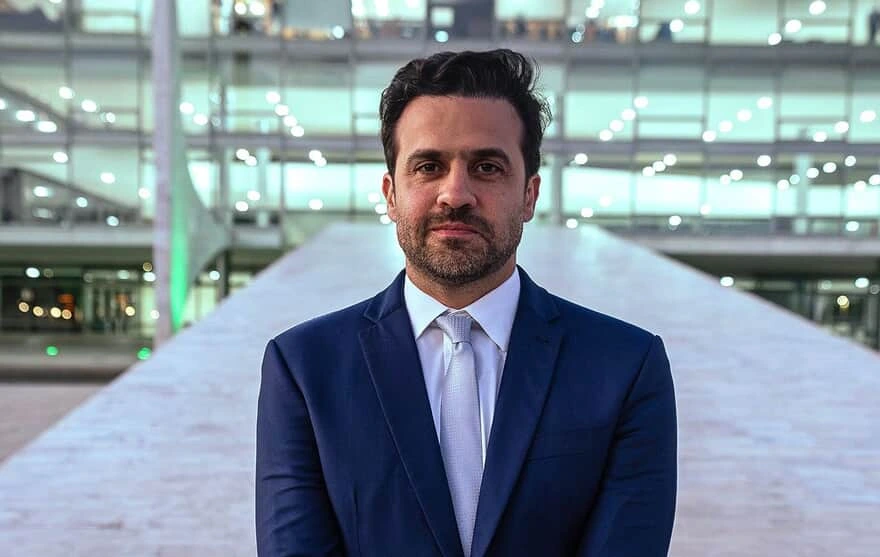
\n
Political Landscape and Challenges Ahead for Lula
\nThe survey highlights Lula’s strong base but also reveals his struggle to expand beyond one-third of the electorate. This presents both opportunities and challenges for the incumbent president.
\n
\nAnalysts suggest that anti-PT sentiment remains strong in Brazilian society. The combined support for Marçal and Tarcísio nearly matches Lula’s, indicating continued political polarization.
\n
\nLula faces the challenge of improving his government’s approval ratings before 2026. He may implement popular measures, such as income tax exemptions for those earning up to R$5,000 (approximately $892).
\n
\nHowever, these policies could potentially backfire if they lead to market pessimism, currency depreciation, and increased inflation. These factors could erode the government’s popularity in the long run.
\n
\nAs Brazil looks ahead to 2026, the political landscape remains dynamic and unpredictable. The emergence of new figures like Pablo Marçal adds an intriguing element to the upcoming electoral contest.
For the full picture, see our Brazil Elections 2026: Complete Guide.
More: Brazil news in English, every day from The Rio Times.
This article was produced by The Rio Times’ automated newsroom system. How we use AI · Report an error · Editorial responsibility: Matthias Camenzind, Editor-in-Chief